Contents (11 sections)
Whether you're a budding artist or simply passionate about music, understanding music production is essential to translate your creativity into a polished output. In this guide, we will walk through the fundamental steps of music production, ensuring you feel confident embarking on your musical journey.
1. Understanding Music Production
Before you plunge into creating beats and melodies, it's vital to grasp what music production entails. Music production is a multi-step process that includes composing, recording, mixing, and mastering music. Each phase is crucial in transforming an idea into a finished product that can be shared with the world. The evolution of digital audio workstations (DAWs) like Ableton Live, Logic Pro, and FL Studio has democratized music production, making it accessible to everyone with a computer. Understanding the fundamentals of sound waves, recording, and editing will provide a solid foundation to build upon.
2. Choosing Your Equipment
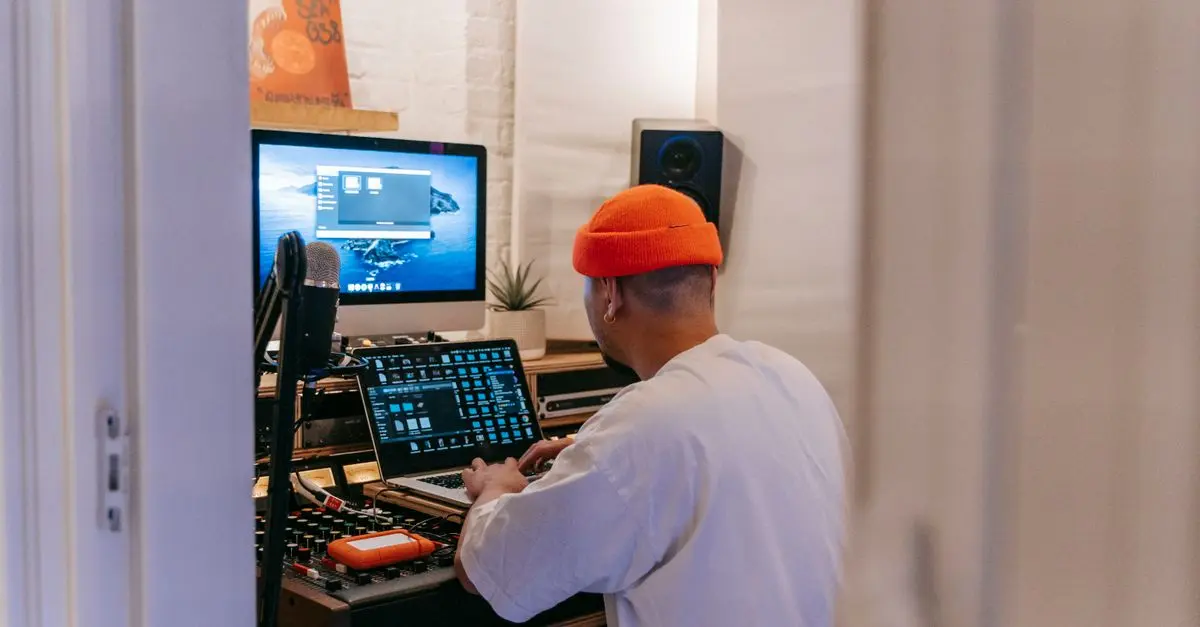
Investing in the right equipment is key to kick-starting your music production career. At its core, you will need a good computer, a DAW, studio monitors (speakers), and headphones. While brands vary, prioritising quality is essential. Look for DAWs that suit your workflow; Ableton Live is renowned for electronic music, while Pro Tools is a standard in professional studios. A simple audio interface will allow you to connect microphones and instruments to your computer, significantly enhancing recording quality. Remember, having quality equipment doesn't mean you have to break the bank; many budget-friendly options exist that deliver excellent results.
3. Learning Your DAW
Your DAW is the heart of your music production setup. Mastering it is essential to unlock your creativity. Start with the basics: learn how to create tracks, add virtual instruments, and manipulate audio clips. Online tutorials can be invaluable, and platforms like YouTube host countless videos that can guide you through intricate processes, such as MIDI programming or automation. Try to engage with communities online, such as forums or social media groups, where you can exchange tips and ask questions about any features you find confusing.
4. Creating Your First Track
Now that you have your equipment set up and understand your DAW, it's time to start creating. Begin with a simple structure: a beat, a melody, and some harmonies. Use loops or samples to fill out your production, but aim to create your unique sounds as you progress. Don’t be afraid to experiment with different genres — this can lead to discovering your style. Remember to save your work often and consider naming your project files systematically for easy access. This creative phase should be fun, so allow your ideas to flow freely, and don’t get bogged down in perfectionism!
5. Mixing Your Track
Mixing is where the magic happens, involving balancing levels, equalising sounds, and adding effects to enhance your track's overall quality. A common mistake beginners make is over-mixing. Focus on the essentials first: ensure your instruments have their own space in the mix. Use panning to shift elements across the stereo field and EQ to remove any muddiness. Online tools like LANDR can give you beginner-friendly AI-assisted mixing tips. Always listen on various speakers or headphones to ensure your track translates well across different sound systems.
6. Mastering the Final Product
Mastering is the final stage of music production, preparing your track for distribution. It involves enhancing the sound of the mixed track and ensuring it’s at the appropriate loudness for commercial standards. While professional mastering can be costly, there are platforms and software options that cater to beginners. Familiarise yourself with mastering concepts such as loudness levels, dynamics processing, and stereo imaging. Ultimately, mastering gives your track a polished finish, enabling it to stand out in a competitive industry.
7. Distributing Your Music
Once your track is polished and perfect, it's time to share it with the world. Research distribution platforms like DistroKid or TuneCore, which can help you distribute your music to streaming platforms like Spotify, Apple Music, and more. Consider creating a social media strategy to promote your music, engage your audience, and build a fan base. Connect with other aspiring musicians to cross-promote and garner support as you grow.
📺 Resource Video
> 📺 For further exploration: How to Use Your DAW Like a Pro, a detailed tutorial on mastering your software. Search on YouTube: music production for beginners tutorial.
Checklist for Music Production
- [ ] Set up your workspace and equipment
- [ ] Choose and learn your DAW
- [ ] Experiment with creating tracks
- [ ] Mix and balance your sounds
- [ ] Master your track for distribution
- [ ] Prepare social media promotions
Glossary
| Terme | Définition |
|---|---|
| DAW | Digital Audio Workstation, software for recording and editing music. |
| Mixing | The process of balancing and enhancing different audio tracks to create a final product. |
| Mastering | The final processing step to prepare a track for distribution, enhancing overall sound. |
> 💡 Expert Opinion: "Investing time in learning about sound design and music theory can significantly elevate your productions, enhancing creativity and technical skill for lasting success in the industry." - Music Producer
🧠 Quick Quiz: What is the first step in music production?
- A) Mixing
- B) Creating a track
- C) Learning your DAW
Answer: C — Understanding your DAW is essential before creating and mixing.