Contents (10 sections)
Collaboration is an essential element in the music industry. Not only does it expand your creative horizons, but it also helps you build valuable connections. This article will guide you through the process of musician collaboration, offering tips and strategies to ensure a fruitful partnership.
1. Understanding Musician Collaboration
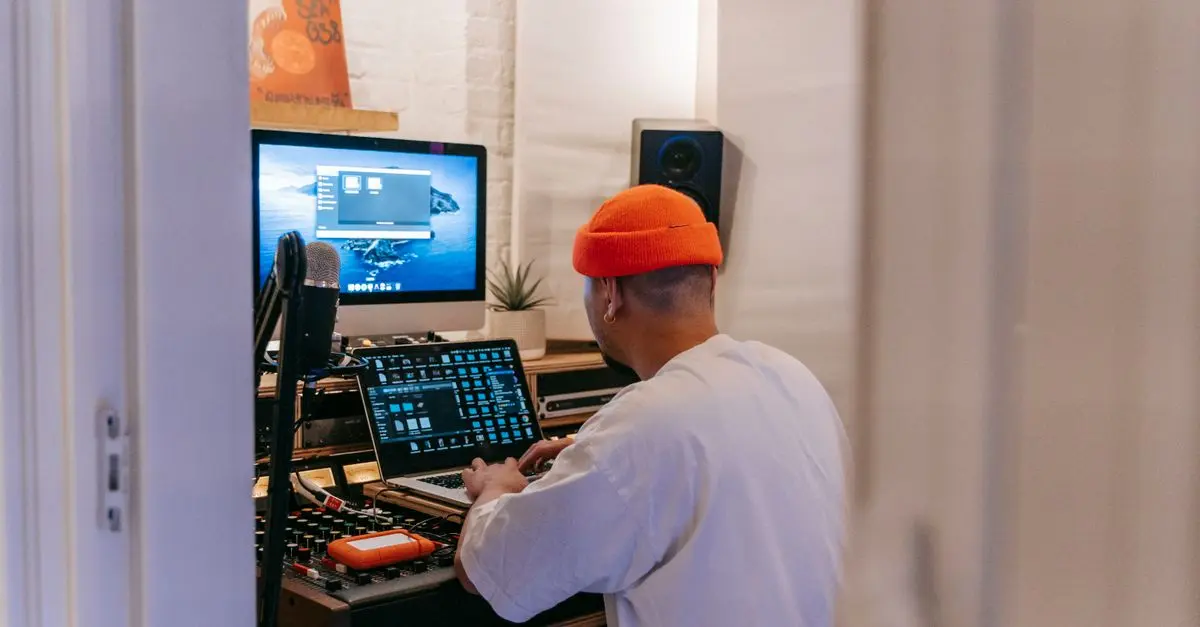
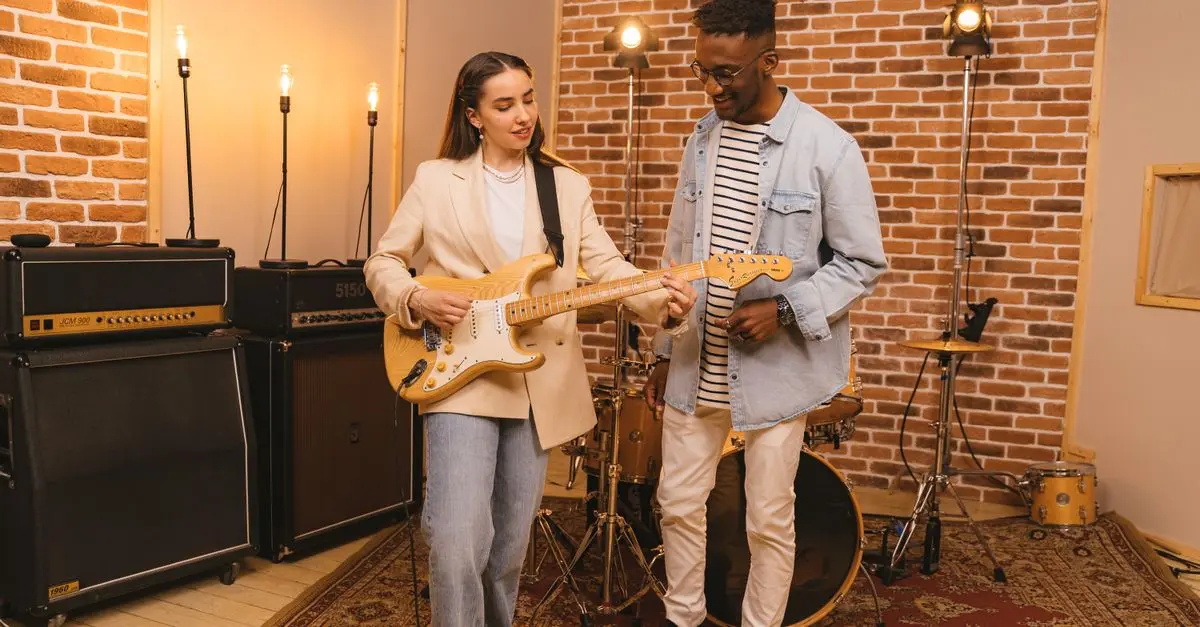
Musician collaboration refers to the process where two or more music creators work together to produce music or other artistic content. This can involve various forms, including co-writing songs, producing tracks, or performing together. Collaborations can significantly increase creativity and open up new avenues for artistic expression. According to a survey by SoundonSound in 2026, 85% of musicians reported that they benefit from collaboration by gaining fresh perspectives and ideas. Understanding the nuances of collaboration is vital for musicians seeking to enhance their work. Remember, a successful collaboration goes beyond just combining talents; it is about merging different styles and ideas into a cohesive project.
2. Finding the Right Collaborators
Finding the right collaborators is crucial for a successful musician collaboration. Start by assessing your network. Are there local musicians, friends, or even online acquaintances whose skills complement yours? Platforms like SoundCloud and Bandcamp can showcase potential collaborators' work, allowing you to gauge their style and fit. Attend local gigs or open mic nights to meet other musicians in person. Building a personal connection can enhance the collaborative experience. Networking apps designed for musicians are also available, where you can connect with others looking for collaboration. Once you identify potential collaborators, reach out and express your interest in creating something together. This often leads to projects that inspire and motivate both parties.
3. Setting Clear Goals
Before diving into the collaboration, it’s essential to establish clear goals. What do you aim to achieve together? This could range from producing a single song to creating an entire EP. Having a shared vision will not only keep you focused but also ensure that both parties are on the same page throughout the process. Discuss the genres you are interested in exploring and agree on the roles each person will play. Setting deadlines can also be beneficial; according to Forbes, successful teams often set timelines to foster productivity and accountability. Regular check-ins during the creative process can help honour these goals, making adjustments if necessary.
4. Communicating Effectively
Effective communication forms the backbone of any successful collaboration. Ensure that both parties feel comfortable expressing their thoughts and ideas. Regular meetings can greatly enhance communication, whether in person or virtually. It’s also important to be open to feedback—I always tell fellow musicians that constructive criticism can ultimately elevate the work’s quality. Use tools such as Trello or Slack to keep all communication and project management in one place. Practising active listening is key; it shows respect and allows both collaborators to feel valued. Address potential conflicts quickly and constructively, and remember that compromise is often necessary in creative endeavours.
5. Making the Most of Your Collaboration
To fully utilise the benefits of musician collaboration, embrace experimentation. Don’t be afraid to step outside your comfort zone—sometimes the best ideas come from unexpected places. Schedule time for jam sessions where both artists can express their musical voices without the pressure of producing a final product. According to a report by Music Business Worldwide, artists who engage in improvisational sessions often report increased creative satisfaction. Showcase your collaborative efforts through social media posts or live performances; this not only markets your work but also builds excitement around your project.
6. Learning from the Experience
After completing your project, take time to reflect on the experience. Discuss what worked well and what could be improved for future collaborations. This feedback loop is invaluable for growth as a musician. Consider sending out a short survey to your collaborator regarding their perspective on the partnership. What did they enjoy? Where do they think improvements could be made? Learning from each collaboration helps build a strong foundation for future work and enhances your growth as an artist.
7. Checklist for Successful Collaboration
- [ ] Identify potential collaborators
- [ ] Set clear goals for the project
- [ ] Establish communication channels
- [ ] Schedule regular check-ins
- [ ] Keep feedback constructive
- [ ] Embrace creativity and experimentation
- [ ] Reflect on the process after completion
8. Glossary
| Term | Definition |
|---|---|
| Collaboration | The act of working together to create music or art. |
| Improvisation | Creating music spontaneously without pre-planned arrangements. |
| Accountability | Holding oneself and others responsible for progress and outcomes. |
> 📺 For further insights: Check out videos on musician collaboration strategies. Search on YouTube: "musician collaboration tips 2026".
🧠 Quiz rapide : What is the primary importance of collaboration in music?
- A) Increased costs
- B) Enhancing creativity
- C) Longer production time
Réponse : B — Collaboration enhances creativity by bringing together diverse musical perspectives.