Contents (12 sections)
The music industry is undergoing a profound transformation, influenced by technological advancements, shifts in consumer behaviour, and evolving artistic expressions. As we look ahead to 2026, these factors will coalesce to redefine the very nature of music consumption, creation, and distribution. This article aims to explore the future of music in 2026, highlighting key trends and expert predictions that are set to shape the landscape of the industry in the coming years.
Major Trends Shaping the Future of Music in 2026
1. The Rise of AI and Machine Learning in Music Production
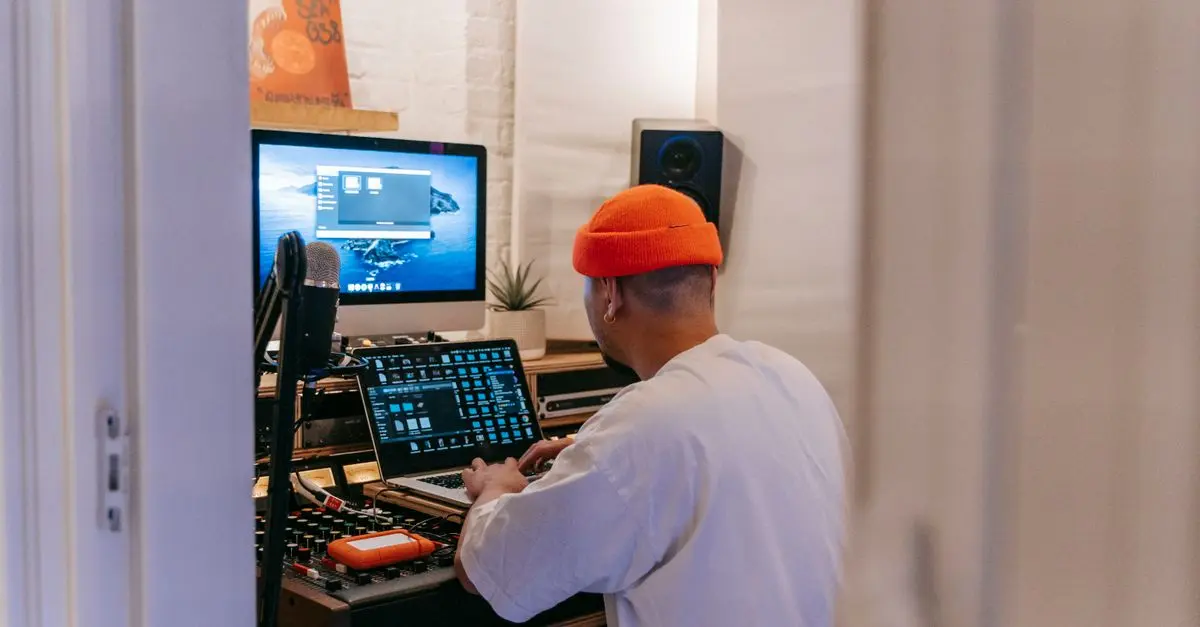
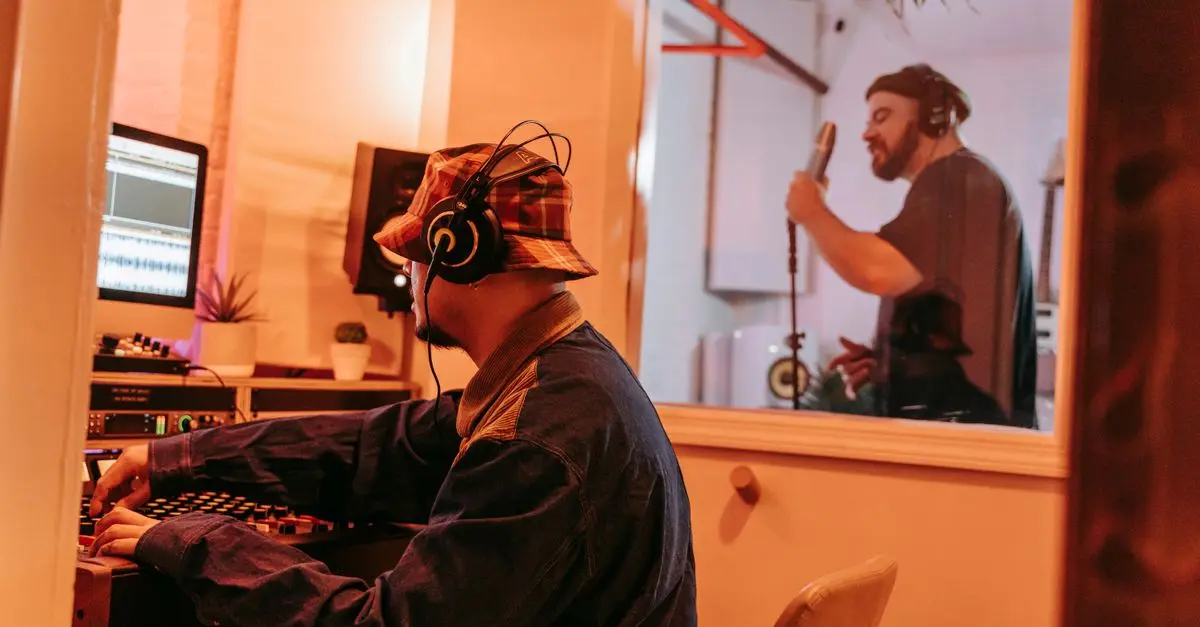
The integration of Artificial Intelligence (AI) in music production is set to reach new heights by 2026. AI tools are already being utilised to assist musicians in composing, mixing, and mastering tracks, making the production process more efficient and accessible. For instance, platforms like AIVA and Amper Music allow users to generate original compositions in various styles without extensive musical training. According to a report by MIDiA Research (2025), the use of AI in music is expected to increase by over 70%, streamlining workflows and enabling artists to focus more on creativity.
This trend not only democratises music production but also raises questions about creativity and authenticity. As AI-generated music becomes more prevalent, the boundary between human and machine creativity will blur, leading to discussions about the value of human input in artistic endeavours. Artists will need to navigate this landscape carefully, ensuring that while they harness AI's capabilities, they preserve their unique artistic voice.
2. Streaming Services and the Evolution of Music Distribution
By 2026, music streaming services will continue to dominate the industry, with platforms like Spotify, Apple Music, and Amazon Music evolving to enhance user experiences. The focus will shift from merely providing access to large catalogues of music to curating personalised and immersive experiences. Personalisation algorithms will leverage advanced data analytics to tailor playlists, suggesting tracks based on users' moods and situational context.
Statista (2026) estimates that subscription revenues in music streaming will exceed £20 billion globally. This growth will compel services to offer unique content, such as exclusive releases and live-streamed concerts, to differentiate themselves in a saturated market. Artists and labels will increasingly collaborate with these platforms to create unique experiences that foster deeper connections between fans and musicians, blurring the line between listener and participant.
3. An Emphasis on Live Events and Virtual Concert Experiences
The need for live music experiences has been reignited in the wake of the pandemic, and this trend is expected to expand further by 2026. Artists will increasingly leverage technology to enhance live performances, integrating augmented reality (AR) and virtual reality (VR) elements to create immersive experiences. Platforms like Wave and VRChat have already started to explore this space, enabling artists to perform virtually for global audiences.
According to Eventbrite, virtual events have shown to increase audience engagement by up to 60%, providing a compelling case for artists to explore these mediums. Future concerts may blend physical and digital realms, allowing for hybrid formats where fans can choose their experience, whether attending in person or remotely. This evolution will also open new revenue streams for artists, as they can tap into a far-reaching, global audience anytime, anywhere.
4. Sustainability and Ethical Music Production
As awareness of environmental issues grows, the music industry is positioned to embrace sustainability, particularly as we move into 2026. From sustainably sourced materials for instruments to eco-friendly touring practices, artists and labels will increasingly adopt environmentally conscious philosophies. Notably, the Give A Beat initiative encourages artists to support social and ecological justice, and it’s likely that more similar movements will emerge.
By 2026, the shift towards sustainability could lead to new expectations from fans, with consumers being more likely to support artists and genres that embrace ethical practices. According to a Deloitte report, 40% of music consumers are willing to pay a premium for sustainable products and experiences. Artists who prioritise sustainable practices will not only contribute positively to the planet but also build a loyal fanbase by aligning with the values of environmentally conscious audiences.
5. The Growth of Niche Genres and Communities
The future of music in 2026 will undoubtedly see the emergence and proliferation of niche genres and micro-communities. With the rise of digital platforms facilitating the discovery of underground sounds, artists can now find their audiences more effectively than ever before. Genres that were once considered fringe are becoming mainstream, creating a vibrant tapestry of musical styles.
According to a study by IFPI (2026), around 30% of music listeners are now exploring genres outside their initial preferences, fostering a culture of experimentation. This trend encourages artists to innovate and blend styles dynamically, leading to fresh collaborations across genres. As audiences embrace musical diversity, platforms like Bandcamp and SoundCloud will play a crucial role in supporting and promoting these unique variables within the music ecosystem.
6. The Impact of Blockchain Technology on Music Rights
Blockchain technology is expected to have a significant impact on the music industry by 2026, particularly concerning copyright and revenue distribution. This technology can ensure that artists retain control over their work, providing secure and transparent methods for tracking music rights and payments. Initiatives like Audius and Myco are pioneering blockchain solutions aimed at addressing issues of unfair compensation in the streaming era.
As this technology becomes more mainstream, it could transform how artists interact with fans and monetise their music. Statistically, a study from PwC (2025) found that 25% of artists are already exploring blockchain for music rights management. By 2026, we may witness a significant shift towards direct artist-to-fan sales models, enabling musicians to thrive financially without relying solely on traditional record labels.
7. The Integration of Music with Daily Life and Work
By 2026, the omnipresence of music in daily life will only intensify. With advancements in smart devices, the average consumer will have access to music in more personal and interactive ways. Smart home systems will integrate with music services, enabling users to interact with their favourite tracks through voice commands seamlessly. Dedicating time for listening will become integral to daily routines, enhancing productivity and relaxation.
According to Gartner (2026), nearly 70% of households will have smart home devices with integrated music services. This suggests a substantial opportunity for artists to connect with audiences in unique ways, potentially leading to exclusive content releases or tailored playlists that enhance the living experience. Moreover, brands will likely look to partner with musicians to enhance their advertising strategies by creating catchy jingle music or ambiance tracks for their products.
📺 Resource Video
> 📺 For further insights: Discover the Future of Music in 2026, a comprehensive analysis. Search on YouTube:
> future of music 2026 predictions.
Glossary
| Term | Definition |
|---|
| AI in Music | The use of artificial intelligence to assist in music composition, production, and distribution.
| Blockchain | A decentralized, digital ledger technology that allows for secure and transparent transactions, useful for music rights management.
| Sustainable Practices | Methods and strategies aimed at reducing environmental impact within the music industry, encompassing everything from production to touring.
Checklist before choosing music rights solutions
- [ ] Research blockchain options for music rights
- [ ] Evaluate sustainability commitments of artists
- [ ] Compare streaming services' exclusive content offerings
- [ ] Explore AI tools for music production
- [ ] Join niche music communities to discover emerging trends
🧠 Quick Quiz: What is expected to revolutionise music production in 2026?
- A) Streaming Services
- B) AI and Machine Learning
- C) Vinyl Records
Answer: B — AI and Machine Learning are set to significantly enhance the music production process.
As the music industry continues to evolve, staying informed about these trends will be essential for artists, consumers, and industry professionals alike. Embracing innovation while honouring the essence of music will define the path forward. Explore these changes actively and engage with the landscapes of the future of music.