Contents (11 sections)
Creating a strong music portfolio is essential for anyone wanting to excel in their musical career. A well-constructed portfolio not only showcases your musical abilities but also highlights your personality and creativity. In this tutorial, we will walk you through the steps to create an impressive music portfolio that stands out in the industry.
Understanding the Purpose of a Music Portfolio
Creating a music portfolio involves much more than just presenting your best pieces. It serves as a comprehensive showcase of your skills, experiences, and fit for potential employers or collaborators. Unlike a résumé, which summarises your career, a portfolio offers a curated experience of your artistic journey. Why is this important? According to a study by the International Federation of Musicians, portfolios significantly increase the chances of landing auditions or gigs by providing tangible evidence of an artist’s abilities and style.
By understanding the purpose of your portfolio, you can tailor it to the specific audience you intend to reach, whether that's for auditions, applications to music schools, or securing gigs. This step is crucial in defining the content and style of your portfolio, making sure it aligns with your career goals.


Kenneth Cole Reaction 18.4"""" Slim Top Zip Laptop Portfolio Laptop Bag Black
onbuy.com
Gathering Your Materials
Now that you understand what a music portfolio aims to achieve, it’s time to gather your materials. This stage is foundational, as you will need to select a variety of works that truly represent your musical identity. Start with the following:
- Recordings: Gather your best recordings. Ensure that they are of high quality, showcasing your skills. Ideally, these could include both studio recordings and live performances.
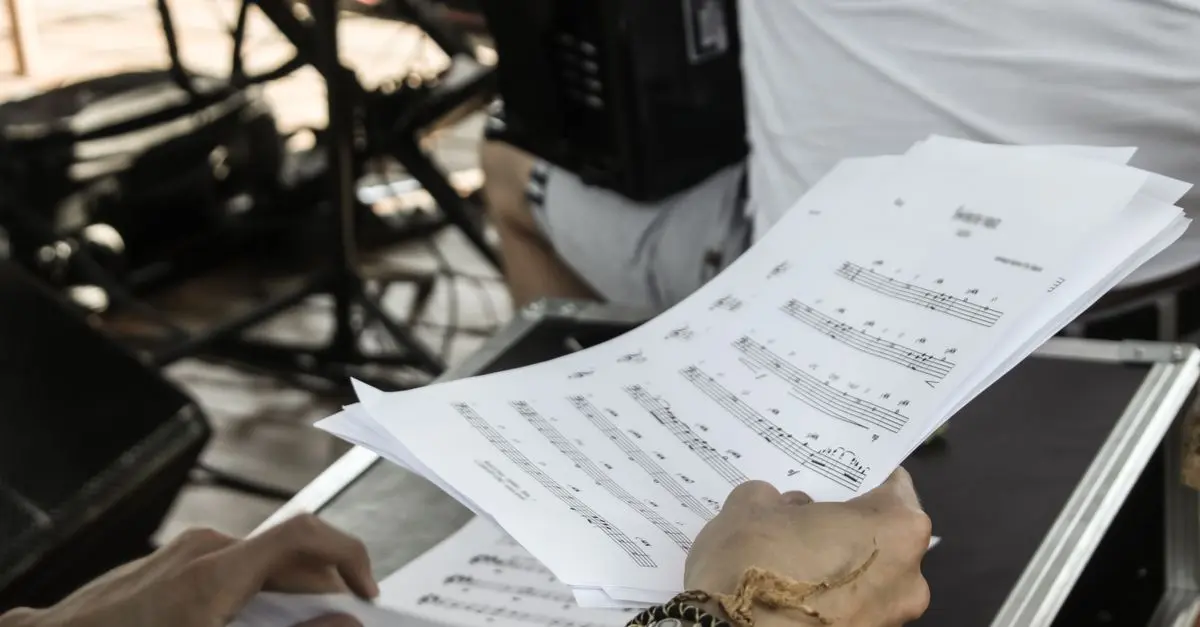
- Scores and Sheet Music: If you write your own music, include scores or examples of your compositions. This demonstrates your understanding of music theory and composition skills.
- Videos: Incorporating video performances can provide a personal touch. Videos showcase your stage presence, which is crucial in the music industry.
- Bio and Artist Statement: Prepare a compelling bio that reflects your journey, influences, and aspirations in music.
It's vital to ensure that everything you include aligns with the image you are portraying and supports the overall narrative of your artistic identity.
Structuring Your Portfolio
The structure of your music portfolio can significantly affect how it is received. A well-organised portfolio should be easy to navigate and visually appealing. Here’s a recommended structure:
- Cover Page: Include your name, a striking image or logo, and a tagline or short summary of your musical focus.
- Table of Contents: This helps potential employers or collaborators quickly find key sections.
- Biography Section: A brief overview of your musical journey, education, and influences.
- Work Samples Section: Organise your recordings, scores, and videos. Group them by type or genre, making sure to highlight the most impressive works first.
- Testimonials or Reviews: If you have received any accolades or positive feedback, include them to add credibility.
- Contact Information: Make it simple for interested parties to reach out to you.
This structure allows your portfolio to tell a cohesive story, guiding viewers through your artistic progression and capabilities.
Showcasing Your Work
When it comes to showcasing your work, quality over quantity is key. Select pieces that not only highlight your musical skills but also reflect your uniqueness. Here are some strategies to consider:
- Present a mix of genres if you are versatile, or focus on a specific genre to build a niche.
- Ensure that the recordings are recent; this shows growth and commitment to your craft.
- Pair your recordings with visual elements such as performance photos or graphics that align with the theme of your music. This can enhance the appeal of your portfolio and engage your audience on multiple levels.
For instance, if your music is electronic and visually driven, consider incorporating animated visuals or music videos that resonate with your sound. This duality can mesmerise and attract your audience more effectively.
Including Online Elements
In today’s digital age, an online presence is pertinent. Consider having a digital version of your portfolio that can be easily shared. Here are some elements to incorporate:
- Website or Online Platform: Create a personal website or use platforms like Bandcamp or SoundCloud to host your music. Ensure that this aligns with your personal brand.
- Social Media Links: Include links to your social media profiles where you actively engage with your audience and share your music.
- Streaming Links: Provide links to your music on popular streaming platforms like Spotify or Apple Music, as being featured there adds credibility.
Online portfolios provide a broader platform for potential hiring managers or collaborators to discover your work in a more interactive format.


Review and Revise
Once your portfolio is organised, it’s time to review and revise. An effective portfolio is never truly complete; it evolves as you grow and develop your skills. Here’s how to refine it:
- Seek Feedback: Share your portfolio with instructors, peers, or mentors in the industry. Constructive criticism is invaluable.
- Update Regularly: As you produce new music or gain experience, make sure to update your portfolio. An outdated portfolio can be detrimental to your opportunities.
- Tailor for Each Opportunity: Customising your portfolio for specific auditions or applications can make a significant difference. Highlight relevant works that align with the requirements.
It’s essential to remain proactive in keeping your portfolio fresh and representative of your current abilities.
Common Mistakes to Avoid
While building your portfolio, it’s important to be aware of common pitfalls. Here are some to avoid:
- Overloading with Content: Including too many pieces can dilute the impact of your best work. Focus on quality over quantity.
- Neglecting Presentation: A poorly presented portfolio (e.g., inconsistent formatting, typos) can lend a less professional image.
- Ignoring Feedback: Dismissing advice from experienced peers can prevent you from making significant improvements.
Keeping these mistakes in mind will help you create a polished and professional portfolio.
Checklist Before Submission
- [ ] Gather high-quality recordings and score sheets.
- [ ] Structure your portfolio logically and atractively.
- [ ] Incorporate online elements and links.
- [ ] Regularly seek feedback and revise.
- [ ] Ensure your contact information is up-to-date.
By following this comprehensive guide, you'll be well on your way to creating a strong music portfolio that effectively showcases your talents and sets you apart in the industry.
💡 Expert Advice: Always keep your audience in mind while designing your portfolio. Tailor it to resonate with potential collaborators and employers.
Glossary
| Terme | Définition |
|---|
| Portfolio | Un ensemble organisé d'œuvres, d'accomplissements ou d'expériences d'une personne, utilisé pour démontrer leurs compétences ou leur expertise.
| Bio | Un résumé concis de la carrière artistique de quelqu'un, souvent inclus dans les portfolios et les sites d'artistes.
| Streaming | La diffusion audio ou vidéo de contenu en continu via internet, permettant un accès immédiat sans téléchargements requis.
📺 Ressource Vidéo
For more insights, check out *
Recommended products
Selected by our experts


MUSICOZY Sleep Mask Headphones,Wireless Sleep Headphones Eye Mask with Bluetooth Headphon
onbuy.com