Contents (10 sections)
Creating a successful music marketing strategy is essential for any artist looking to thrive in today's competitive industry. A well-thought-out strategy allows musicians to connect with their audience, build a personal brand, and ultimately drive sales and streams of their music. However, crafting a marketing strategy that works can often seem daunting. In this guide, we will break down the process into manageable steps to help you navigate the complexities of music marketing.
Step 1: Define Your Brand Identity
Before diving into specific marketing tactics, it’s crucial to establish a clear brand identity. This is the essence of who you are as an artist and how you want to be perceived by your audience. Think about the following:
- Musical Style: What genre or niche do you fit into?
- Audience: Who are your target listeners?
- Visuals: What kind of imagery represents your music? Consider logos, album artwork, and artist photos.
- Message: What themes or messages do you want to convey through your music?
An excellent example is Billie Eilish, who successfully articulated her brand around themes of individuality and emotional honesty. By identifying and expressing your unique brand, you create a consistent representation that resonates with fans, making it easier for them to connect with your music.
Step 2: Set Clear Marketing Goals
Once your brand identity is clear, you need to establish concrete goals for your marketing strategy. These could include:
- Increasing social media followers by a specific percentage
- Growing your email list with targeted campaigns
- Securing X number of gig bookings per month
- Achieving a certain number of streams on music platforms
Make sure your goals are SMART: Specific, Measurable, Achievable, Relevant, and Time-bound. Having defined goals will not only guide your marketing efforts but also allow for performance measurement and adjustments down the line. For instance, if your goal is to gain 1,000 new followers on Instagram in three months, this can inform content creation, engagement tactics, and advertising strategies.


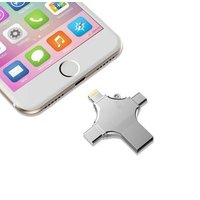
New product ideas for marketing class type c USB3.0 flash drive 4 in 1 otg cellphone usb 8GB,16GB,32GB for iphone android
Alibaba UK
Sponsored by Lopardi
Step 3: Know Your Audience
Understanding your audience is paramount in crafting an effective music marketing strategy. This involves research into listener demographics, preferences, and behaviours. Tools such as social media analytics and streaming platform insights can provide valuable information. Key aspects to consider include:
- Age group: This influences the platforms where you should focus your efforts.
- Location: Knowing where your fans are can help in planning tours or promotional events.
- Behavioural Patterns: What times are your posts getting the most engagement? What kind of content do your fans interact with the most?
For example, if you discover that your music resonates particularly well with 18-24 year-olds on TikTok, consider focusing more on that platform for your marketing campaigns. Engaging directly with your audience through surveys or social media polls can also provide insights, ensuring that your marketing efforts are aligned with audience interests.
Step 4: Develop Your Content Strategy
Now that you know your brand and audience, it’s time to create a content strategy that engages your fans. Consider various forms of content:
- Videos: Use platforms like YouTube or Instagram Live to connect through performances, behind-the-scenes footage, or Q&A sessions. For example, releasing a series of short videos detailing the making of your upcoming album can engage your audience and build anticipation.
- Social Media Posts: Consistent posts that align with your brand identity and engage your community.
- Email Newsletters: Share exclusive content, upcoming releases, and personal messages.
It’s also vital to adhere to a content calendar. This helps in maintaining consistency, planning for major announcements, and strategizing for holidays or events that could boost engagement. Remember, authenticity and storytelling are key to successful content marketing.
Step 5: Choose the Right Promotion Channels
Selecting the appropriate channels to promote your music is crucial. Different platforms cater to varying demographics and offer unique ways to connect. Key platforms include:
- Social Media (Instagram, TikTok, Facebook): Ideal for visual content and community engagement.
- Music Streaming Services (Spotify, Apple Music): Important for reaching listeners directly.
- Music Blogs and Online Magazines: Can provide critical exposure and credibility through reviews and features.
Embed your content across these channels, using each platform’s strengths. For instance, videos are very engaging on TikTok, while in-depth storytelling may work better on Facebook. By strategically using each channel to its strengths, artists can maximise their promotional reach and effectiveness.
Step 6: Track Performance and Adjust
Finally, continually monitor the performance of your music marketing strategy. Use analytical tools to gather data on how your music is performing across platforms, audience engagement, and marketing effectiveness. Key performance indicators (KPIs) to consider include:
- Social media engagement rates
- Stream counts
- Email open rates
- Conversion rates from ads or promotions
Using this data, adjust your strategies as needed. If certain content types perform better than others, consider focusing on those forms. For example, if your video content consistently receives more views than static posts, increase your focus on video production. Continuous assessment of your marketing strategy allows you to refine your tactics and improve results over time.
Checklist before Implementation
- [ ] Define your brand identity clearly.
- [ ] Set specific, measurable marketing goals.
- [ ] Conduct audience research thoroughly.
- [ ] Develop a content calendar for consistent posting.
- [ ] Choose appropriate promotional channels for your music.
- [ ] Monitor KPIs and adjust strategies accordingly.
📺 Resource Video
> 📺 For further insights: A deep dive into effective music marketing strategies revealing essential tips and real-life examples. Search on YouTube: "music marketing strategy 2026".
Glossaire
| Terme | Définition |
|---|---|
| Brand Identity | L'ensemble des éléments visuels, musicaux et psychologiques qui forment l'image de marque d'un artiste. |
| KPIs | Indicateurs clés de performance utilisés pour évaluer le succès d'une stratégie marketing. |
| Content Marketing | Stratégie de création et de partage de contenu (texte, audio, vidéo) pour engager une audience cible. |
> 🧠 Quiz rapide : Which element is most important for a music marketing strategy?
> - A) Brand Identity
> - B) Social Media Engagement
> - C) Content Production
> Réponse : A — A clear brand identity is crucial for meaningful engagement and lasting connections with fans.
📺 Pour aller plus loin : effective music marketing strategies 2026 sur YouTube
Recommended products
Selected by our experts
Social Media Marketing for Business
Learning 24/7
A course on social media marketing for business can enhance your understanding of how to effectively engage your audience online.
Sponsored by Lopardi
Instagram Marketing Certificate Training Course
Learning 24/7
The Instagram Marketing Certificate Training Course can help you tailor your content specifically for Instagram, a crucial platform for artists.
Sponsored by Lopardi
New product ideas for marketing class type c USB3.0 flash drive 4 in 1 otg cellphone usb 8GB,16GB,32GB for iphone android
Alibaba UK
Introducing innovative marketing ideas with practical tools can boost your promotional efforts and enhance your presence in the industry.
Sponsored by Lopardi