
Contents (21 sections)
Creating an effective music marketing strategy is essential for any artist looking to connect with their audience and amplify their reach in today's competitive landscape. This guide aims to provide a step-by-step process to develop a music marketing strategy that resonates with your fans. By following these steps, you will position yourself to not only promote your music effectively but also engage with your audience on a deeper level.
1. Define Your Target Audience
The first step in creating a successful music marketing strategy is to identify your target audience. Understanding who your fans are helps in tailoring your marketing efforts to meet their preferences.
Understand Demographics
Start by analysing demographics such as age, gender, location, and interests. For example, if your music targets teenagers, your marketing strategy will differ significantly compared to one aimed at older adults. Use tools like Google Analytics and Facebook Insights to gather data on your current audience.
Create Audience Personas
Once you have data, create audience personas. This is a fictional representation of your ideal fan based on research and data. For instance, a persona for a pop artist might be a 20-year-old female who enjoys social media and attends live concerts. According to a 2025 study by UFC-Que Choisir, artists who segment their audience effectively promote better engagement and conversion rates.
2. Set Clear Goals
After defining your audience, the next step is to set clear, measurable goals for your music marketing strategy. Goals help you stay focused and evaluate progress over time.
Setting SMART Goals
Utilise the SMART criteria when setting your goals: Specific, Measurable, Achievable, Relevant, and Time-bound. For instance, a goal could be to increase your Spotify monthly listeners by 25% within six months. This type of goal is not only specific but also gives you a timeframe to track progress.
Tracking Performance
It's crucial to have key performance indicators (KPIs) in place. These might include metrics such as social media engagement, newsletter sign-ups, or ticket sales. Regularly review these metrics to adapt your strategy accordingly.


3. Create Compelling Content
Compelling content is at the heart of any marketing strategy. It helps in engaging your audience and encourages them to share your music.
Types of Content
Consider diversifying your content. This can include behind-the-scenes videos, music videos, interviews, and blog posts about your music journey. Engaging content not only promotes your music but also connects personally with your fans. For instance, artists who release well-edited music videos see about a 50% increase in shares across social media, according to Les Numériques.
Leverage User-Generated Content
Encourage your fans to create content related to your music, such as covers or dance videos. This not only promotes your music organically but also creates a community around it. Remember to share their content on your platforms to honour their creativity and strengthen fan loyalty.
4. Choose the Right Platforms
Selecting the right channels for your music marketing is critical. Different platforms serve various audiences and content types.
Assess Each Platform
Compare social media platforms to see where your target demographic spends their time. Instagram and TikTok tend to attract younger audiences, while Facebook may have more older users. A suitable combination of platforms can increase your reach drastically.
| Platform | Audience Demographics | Best For | Drawbacks |
|---|---|---|---|
| 18-34 years | Visual content, short videos | Limited organic reach | |
| 30+ years | Event promotion, community | Declining younger users | |
| TikTok | 16-24 years | Viral challenges, music clips | Highly competitive |
| YouTube | 18-49 years | Long-form videos, tutorials | High production value is needed |
Interaction Strategies
Use social media to interact with fans through regular posts, comments, and live Q&A sessions. Create opportunities for fan interactions like contests or street performances. Such activities foster a sense of community and commitment among fans.
Use Email Marketing
Building an email list enables direct communication with your audience. Regular newsletters can announce new releases, tours, and exclusive content, thus maintaining ongoing engagement. Reports suggest that email marketing has a 42:1 return on investment, making it a worthy aspect of your strategy.
6. Assess and Adapt Your Strategy
Your music marketing strategy should be a living document that adapts based on performance and feedback.
Review and Analyse
Schedule regular reviews of your marketing performance. Compare your goals with actual results, identify successful tactics, and be prepared to shift focus if necessary. For example, if Instagram posts yield low engagement, it might be beneficial to divert more resources to TikTok, where your audience may be more active.
Stay Updated on Trends
The music industry is ever-evolving, with new trends emerging rapidly. Stay abreast of current marketing trends and experiment with innovative ideas to keep your audience engaged. By regularly analysing your approach, you can maintain relevance in a competitive environment.
Checklist before Implementing Your Strategy
- [ ] Define target audience
- [ ] Set SMART goals
- [ ] Create content plan
- [ ] Assess social media platforms
- [ ] Develop engagement strategies
- [ ] Schedule regular reviews

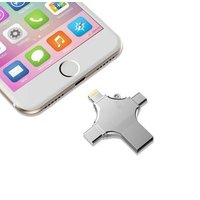
New product ideas for marketing class type c USB3.0 flash drive 4 in 1 otg cellphone usb 8GB,16GB,32GB for iphone android
Alibaba UK

Conclusion
Creating an effective music marketing strategy entails a deep understanding of your audience, clear goal-setting, engaging content creation, strategic platform selection, and ongoing engagement. By following these steps diligently, you can create a strategy that not only promotes your music but also builds a strong and loyal fanbase.
📺 For going further: Learn how to create a captivating music marketing plan with expert insights. Search on YouTube: 'effective music marketing strategy 2026'.
Glossaire
| Terme | Définition |
|---|---|
| Public cible | Ensemble de personnes visées par une campagne marketing. |
| SMART | Méthodologie pour définir des objectifs clairs et mesurables. |
| Engagement | Interaction et participation des utilisateurs avec le contenu. |
---
📺 Pour aller plus loin : effective music marketing strategy 2026 sur YouTube
Recommended products
Selected by our experts