Contents (20 sections)
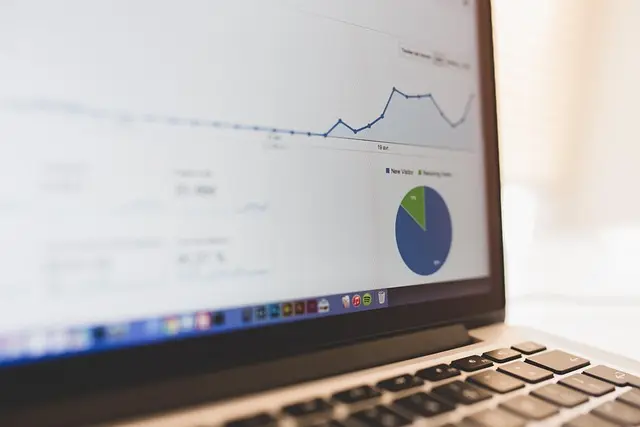
In the rapidly evolving world of music marketing, data has emerged as a critical ingredient for success. Music analytics encompasses the tools and methodologies used to track, measure, and interpret performance metrics related to music consumption, helping artists and labels make informed decisions. In this tutorial, we will explore how leveraging music analytics can enhance audience engagement and expand your fanbase.
1. Understanding Music Analytics: What and Why?
Music analytics involves a systematic approach to collecting and analysing data from various platforms, including streaming services, social media, and sales figures. It provides insights into listener preferences, engagement rates, and demographic information, crucial for tailoring marketing strategies. According to a report by IFPI (International Federation of the Phonographic Industry), over 400 million people were using streaming platforms globally as of 2026, highlighting the need for artists to understand their audiences deeply.
Understanding your audience through analytics can drastically improve your marketing efforts. For example, by analysing which songs are performing best on platforms like Spotify or Apple Music, artists can focus their promotional efforts on tracks that resonate with their listeners. Additionally, music analytics can help identify trends in listener behaviour, allowing artists to adapt their strategies to match the evolving landscape of music consumption.
2. Step-by-Step Guide to Using Music Analytics
Step 1: Identify Your Goals
Before diving into data, clarify your objectives. Are you aiming to grow your social media following, increase streaming numbers, or drive ticket sales? Setting specific goals will help you determine which metrics are most relevant.
Step 2: Choose the Right Tools
Numerous tools exist for music analytics, including Spotify for Artists, SoundCloud Stats, and Pitchfork Analytics. Each offers unique features that provide insights into listener demographics, geographic data, and track performance. Choose a tool that aligns with your goals while offering the data you need.
Step 3: Collect and Organise Data
Once you have selected your tools, begin collecting data regularly. Organise it in a spreadsheet or use a data visualisation tool to make tracking easier. Common metrics to track include:
- Monthly listeners
- Total streams per track
- Engagement on social media
- Demographics of listeners
Step 4: Interpret and Analyse the Data
After collecting data, analyse it to derive actionable insights. Look for patterns in listener behaviour. For instance, if a particular song performs well in a certain region, consider tailoring your promotional activities there. Compare your data against industry benchmarks to evaluate your performance.
Step 5: Adapt Your Strategy
Using your analysis, modify your marketing strategies. If certain types of content yield higher engagement across platforms, create more of that content. Experiment with different promotional techniques, such as targeted ads or collaborations, and monitor their effectiveness through your analytics tools.
Step 6: Test and Iterate
Finally, music analytics is a continuous journey. Regularly test new strategies, gather feedback, and repeat the process. This iterative approach will ensure you stay ahead of trends and maintain relevance with your audience.


MUSICOZY Sleep Mask Headphones,Wireless Sleep Headphones Eye Mask with Bluetooth Headphon
onbuy.com

3. Comparative Analysis of Music Analytics Tools
To help you choose the best platform for your needs, here’s a comparison of a few popular music analytics tools:
| Feature | Spotify for Artists | Apple Music for Artists | SoundCloud Stats | YouTube Analytics |
|---|---|---|---|---|
| Track Performance | Yes | Yes | Yes | Yes |
| Audience Insights | Limited | Advanced | Basic | Advanced |
| Revenue Metrics | No | Yes | Yes | Yes |
| Demographic Data | Basic | Limited | Basic | Comprehensive |
4. The Importance of Data-Driven Decisions
Using music analytics to inform your decisions is essential in today’s competitive environment. According to Deloitte, data-driven companies are three times more likely to report significant improvements in decision-making processes. By relying on data, you not only optimise your promotional strategies but also enhance audience engagement through personalised communication.
For example, tailored playlists based on listener preferences lead to a 60% increase in streaming engagement for artists using data proactively. Moreover, awareness of audience sentiments regarding releases can prevent missteps and enhance listener retention.
5. FAQs about Music Analytics
Q1: What are music analytics?
A1: Music analytics refers to the tools and methods utilised to collect and analyse data related to music consumption, helping artists understand their audience better.
Q2: How can music analytics improve my fanbase?
A2: By providing insights into listener behaviour, demographics, and preferences, music analytics allows artists to tailor their strategies and engage more effectively with fans.
Q3: Which tools should I use for music analytics?
A3: Commonly used tools include Spotify for Artists, SoundCloud Stats, and Apple Music for Artists, each offering different insights based on platform data.
Q4: How often should I analyse my music data?
A4: Regular analysis—at least monthly—helps keep your strategies aligned with changing audience behaviours and industry trends.
📺 Ressource Vidéo
> 📺 Pour aller plus loin: A comprehensive guide on music analytics and how to leverage it. Recherchez sur YouTube : "music analytics for artists 2026".

LG 55UR762H3ZC 139.7 cm (55") 4K Ultra HD 400 cd/m² Smart TV Black 10 W
Back to the Office

Sony WFSP700NW headphones/headset True Wireless Stereo (TWS) Ear-hook In-ear Calls/Music Bluetooth White
Quzo UK

Glossaire
| Terme | Définition |
|---|---|
| Music Analytics | Outils et méthodes utilisés pour collecter et analyser des données sur la consommation musicale. |
| Engagement | Interaction des auditeurs avec la musique, mesurée par des likes, partages, et commentaires. |
| Streaming | Diffusion de musique via Internet, permettant aux utilisateurs d'écouter sans télécharger. |
Checklist avant achat
- [ ] Identifier les objectifs de l'analyse des données
- [ ] Sélectionner les outils d'analytics appropriés
- [ ] Collecter des données régulièrement
- [ ] Analyser les tendances et les insights
- [ ] Adapter les stratégies de marketing en fonction des résultats
Explorez nos produits recommandés pour enrichir votre expérience musicale !
📺 Pour aller plus loin : music analytics for artists 2026 sur YouTube
Recommended products
Selected by our experts

Sleep Headphones Bluetooth Eye Mask,Musicozy Sleep Mask Headphones with 14 Hrs P
onbuy.com

Sony WF-C700N Headset True Wireless Stereo (TWS) In-ear Calls/Music Bluetooth Green
Quzo UK


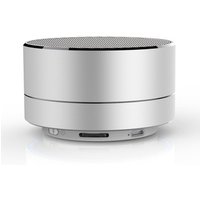
Music festival shenzhen OEM super bass led mini wireless portable bluetooth speaker
Alibaba UK