Contents (21 sections)
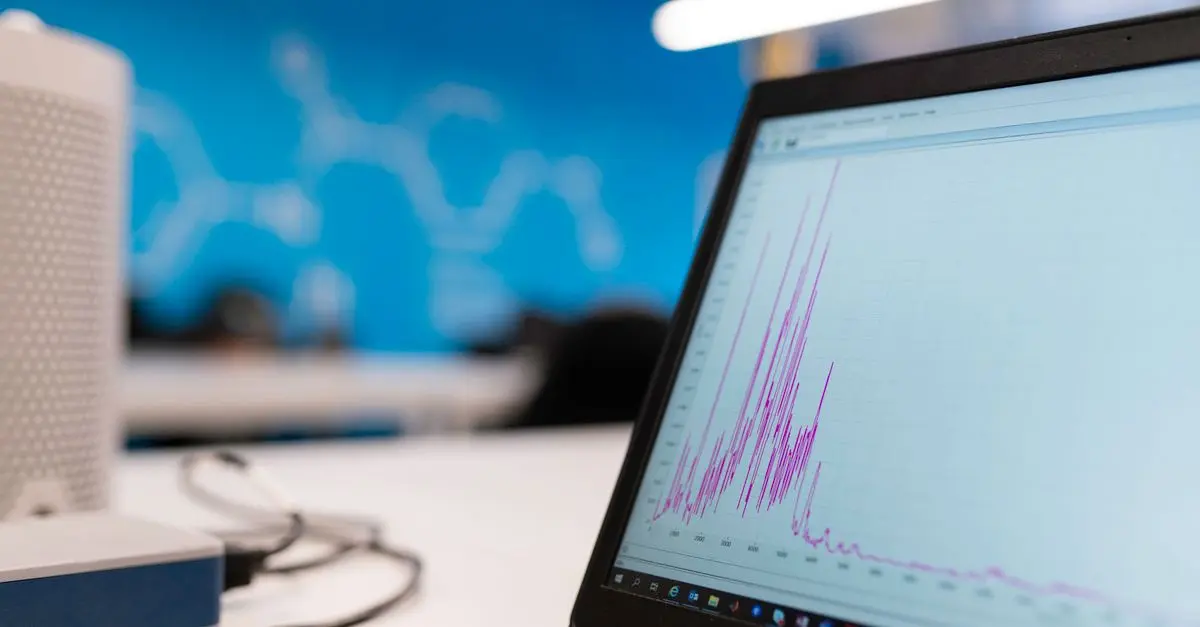
In today’s competitive music landscape, music analytics has become a game changer for artists and industry professionals alike. Understanding data related to listener behaviour, streaming trends, and demographic insights enables artists to tailor their marketing strategies and effectively reach their target audience. Using analytics not only leads to better decision-making but also enhances a musician's connection with their fans.
1. What Are Music Analytics?
Music analytics involves the collection and analysis of data related to music consumption. It encompasses various metrics such as streaming counts, playlist placements, social media interactions, and geographical data about listeners. This data is pivotal for artists to gain insights into who is listening to their music, where they are located, and how often they engage with the content. In an industry where the landscape continually evolves, having access to real-time data can dramatically impact an artist’s success.
For example, services like Spotify for Artists and Apple Music Analytics provide musicians with detailed dashboards that track their performance. These platforms enable artists to understand trends over time, giving them a clearer picture of their audience. According to a recent study by MIDiA Research, 70% of independent artists who effectively utilise music analytics see improved engagement levels.
2. Setting Up Your Music Analytics
Step 1: Choose the Right Tools
The first step in harnessing the power of music analytics is selecting the right tools. Depending on your distribution platforms, you may have access to native analytics tools. For instance, Amazon Music and Tidal offer insightful breakdowns of audience engagement. Additionally, third-party platforms like Chartmetric provide a comprehensive overview of top metrics.
Step 2: Create a Content Strategy Based on Analytics
Once you have access to your data, create a content strategy that aligns with your findings. If particular songs perform well in specific locations, consider focusing your marketing efforts in those areas. Tailoring your music releases and promotional strategies to your analytics insights can maximise impact and reach.
Step 3: Regularly Monitor and Adjust
Just collecting data is not enough. Regularly monitoring your analytics enables you to stay informed about fluctuations in audience behaviour. Ensure you adjust your strategies as needed, focusing on songs that are resonating well with your audience to maintain engagement.
Tips to Avoid Common Pitfalls:
- Don’t rely solely on one metric. Use a combination of insights for a comprehensive view.
- Don’t ignore historical data; understanding trends over time can offer valuable context.
- Be patient. It takes time to see the effects of strategic changes based on analytics.


LG 55UR762H3ZC 139.7 cm (55") 4K Ultra HD 400 cd/m² Smart TV Black 10 W
Back to the Office
Sponsored by Lopardi
3. Analysing the Data
Step 4: Interpret Key Metrics
Interpreting data involves extracting actionable insights from raw numbers. Unique listeners, play counts, and average listening duration are metrics that can help you determine the success of your tracks. An influx of listeners might indicate a successful marketing strategy, whereas a drop in engagement may signal a need for a new approach.
Step 5: Engage With Your Audience
Utilising analytics not only impacts content creation but also fan engagement. Knowing where your listeners are based can help tailor communication and events. For instance, hosting live performances in cities with high listener concentrations can boost both attendance and interaction.
4. Comparative Analysis of Different Tools
Comparison Table
| Tool | Features | Best For | Cost |
|---|---|---|---|
| Spotify for Artists | Streaming data, demographics | Individual artists | Free |
| Chartmetric | Social media integration | Labels and managers | Variable |
| Soundcharts | Real-time monitoring | Established artists | Subscription |
| Apple Music Analytics | Play counts, trend analysis | All artists | Free |
Selecting the right tool depends on your needs; new artists might find free platforms sufficient, while established acts may benefit from comprehensive packages.
5. Implementing Your Findings
Step 6: Strengthen Your Marketing Strategies
With the insights gained, begin reinforcing your marketing strategies. Create targeted campaigns focusing on demographics that resonate strongly with your music. This might include exclusive releases or special merchandise for specific audiences.
Step 7: Measuring Success
Regularly measure the success of your strategies by revisiting your analytics. If certain campaigns yield better results, consider adjusting future approaches accordingly. You should also exploit A/B testing whenever possible to determine what resonates best with your audience.
6. Staying Ahead of Trends
Step 8: Adapt and Innovate
The music industry is continually changing, often affected by technological advances and shifts in audience preferences. Stay abreast of emerging trends in analytics tools and methodologies to remain competitive. Being proactive rather than reactive in your approach to music analytics can lead to significant advantages.

MUSICOZY Sleep Mask Headphones,Wireless Sleep Headphones Eye Mask with Bluetooth Headphon
onbuy.com

Sony WFSP700NW headphones/headset True Wireless Stereo (TWS) Ear-hook In-ear Calls/Music Bluetooth White
Quzo UK
Sponsored by Lopardi

Conclusion
Leveraging music analytics is vital for any artist or professional in the industry aiming for sustainable growth. By understanding the metrics and utilising insights effectively, musicians can not only reach their audience but also foster a community of engaged fans. Take the first step today by incorporating these practices into your career.
Checklist Before Implementing Music Analytics
- [ ] Identify which analytics tools fit your needs.
- [ ] Set measurable goals based on analytics insights.
- [ ] Regularly review trends and metrics.
- [ ] Engage with your audience creatively based on their data.
- [ ] Adapt strategies according to performances.
🧠 Quiz rapide : What is the primary benefit of using music analytics?
- A) Increased streaming revenue
- B) Insight into audience preferences
- C) Gaining more followers
Réponse : B — Understanding audience preferences allows artists to tailor their music and marketing strategies.
Glossaire
| Terme | Définition |
|---|---|
| Streaming Metrics | Données collectées à partir des plateformes de streaming |
| Engagement Rate | Mesure de l’interaction des auditeurs avec la musique |
| Demographic Insights | Analyse des caractéristiques des auditeurs (âge, sexe, lieu) |
---
📺 Pour aller plus loin : how to use music analytics effectively 2026 sur YouTube
Recommended products
Selected by our experts

Sleep Headphones Bluetooth Eye Mask,Musicozy Sleep Mask Headphones with 14 Hrs P
onbuy.com

Sony WF-C700N Headset True Wireless Stereo (TWS) In-ear Calls/Music Bluetooth Green
Quzo UK
Sponsored by Lopardi


Music festival shenzhen OEM super bass led mini wireless portable bluetooth speaker
Alibaba UK
Sponsored by Lopardi