
Contents (9 sections)
Navigating the music industry can be challenging, but understanding music analytics can provide invaluable insights that enhance your career growth. In this guide, we will explore how to leverage analytics effectively, step-by-step, and offer practical tips to make the most of this powerful tool.
1. Understand the Basics of Music Analytics
Music analytics refers to the collection and analysis of data related to music consumption. This encompasses metrics such as streaming numbers, listener demographics, social media engagement, and sales figures. To get started, you need to understand various types of data available:
- Streaming Metrics: Observing how often your tracks are played on platforms like Spotify and Apple Music helps identify popular songs and trends.
- Audience Insights: Demographics reveal who your listeners are, including their age, location, and listening habits.
- Social Media Analytics: Engagement metrics on platforms like Instagram and Twitter indicate how effectively you communicate with your audience.
For example, if your single is performing well in a particular city, consider planning a gig there to capitalise on this listener base. Understanding these metrics not only helps you identify your strengths but also highlights areas for improvement.
2. Setting Up Analytics Tools
To leverage music analytics effectively, you need to set up the right tools. Numerous platforms offer various features tailored for musicians:
- Spotify for Artists: This tool provides insights on who is listening to your music, where they are located, and which songs are performing best.
- Apple Music for Artists: Similar to Spotify, it offers real-time statistics, insights into song performance, and demographic information about your audience.
- Social Media Analytics Tools: Use insights from Facebook, Instagram, and Twitter to gauge engagement levels.
To get started:
- Sign up for the necessary accounts (e.g., Spotify for Artists).
- Set up your profile and connect it to your distribution platforms.
- Familiarise yourself with the analytics dashboard to understand where to find key metrics.
Being proactive in monitoring your analytics will aid in strategically planning your releases, marketing efforts, and touring schedule.
3. Analysing Your Data
Once your tools are in place, it’s time to sift through the data. Here’s how to approach your analysis:
- Identify Trends: Look for patterns in your music’s performance. Are certain genres, tempos, or themes leading to higher engagement?
- Audience Engagement: Examine how listeners interact with your content. High likes or shares on a particular track signal a need for similar future productions.
- Geographical Insights: Find out which regions have the most listeners for targeted marketing strategies.
For instance, you might find a higher listener count in London compared to other regions. This indicates a potential interest in live performances in that area. Focusing your marketing here can significantly increase your reach.
4. Implementing Data-Driven Decisions
With a clear understanding of your data, you can begin to implement changes that will help boost your career. Some ideas include:
- Targeted Marketing: Based on listener demographics, tailor your marketing strategies to resonate with your most engaged audience.
- Set Goals: Use analytics to define specific, measurable objectives. For instance, aim for a 15% increase in monthly listeners by focusing on promotional channels where you see the highest engagement.
- Experiment with Releases: Test releasing music on different days or times—data may show that a specific timing increases engagement significantly.
Implementing changes based on data is not only effective but necessary for continuous growth. Brands like Beyoncé and Ed Sheeran regularly analyse their data to hone their marketing strategies and refine their creative outputs.
5. Learning from Your Competitors
Understanding not just your own data, but also your competition can offer significant advantages. Here’s how:
- Benchmarking: Compare your data against artists in your genre who are similarly sized. This can reveal insights about market standards and performance expectations.
- Competitor Monitoring: Follow their releases, examine their audience engagement on social media, and look for patterns in their marketing strategies that you can replicate.
- Adapt Best Practices: If a competitor’s music video went viral, analyse the factors that contributed and consider how to adapt those ideas for your projects.
6. Utilising Analytics for Career Advancement
In today’s competitive landscape, leveraging music analytics is not just an option but a necessity. Here are some practical tips:
- Stay Updated: Follow trends in music analytics to adapt to changing consumer behaviours. Subscribe to industry newsletters for the latest insights.
- Network: Engage with other artists and professionals who use analytics in their approach. You can learn a lot through shared experiences.
- Continuous Learning: Consider taking courses on analytics to deepen your understanding. Courses from platforms like Learning 24/7 can equip you with the necessary skills to navigate the terrain of music analytics effectively.
Checklist for Using Music Analytics
- [ ] Set up analytics tools (Spotify for Artists, etc.)
- [ ] Regularly review data for insights
- [ ] Implement changes based on findings
- [ ] Compare your metrics against competitors
- [ ] Adjust your strategies based on geographical data
Glossary
| Terme | Définition |
|---|
| Music Analytics | L'analyse des données relatives à la consommation musicale pour prendre des décisions éclairées.
| Engagement Metrics | Mesures qui quantifient l'interaction d'un auditeur avec votre contenu, telles que les likes et les partages.
| Demographic Data | Données sur les caractéristiques de votre public, y compris l'âge, le sexe et la localisation. |
💡 Avis d'expert : Une bonne compréhension des music analytics vous permet non seulement de créer un contenu émotionnellement résonnant, mais aussi d'établir un lien plus fort avec votre public. Cela se traduit par une fidélité accrue et un engagement à long terme.
📺 Pour aller plus loin : Discover Music Analytics Strategies, une analyse complète de la manière de tirer parti des données musicales. Recherchez sur YouTube : "how to leverage music analytics 2026".
📺 Pour aller plus loin : how to leverage music analytics 2026 sur YouTube
Recommended products
Selected by our experts

Sleep Headphones Bluetooth Eye Mask,Musicozy Sleep Mask Headphones with 14 Hrs P
onbuy.com

Sony WF-C700N Headset True Wireless Stereo (TWS) In-ear Calls/Music Bluetooth Green
Quzo UK


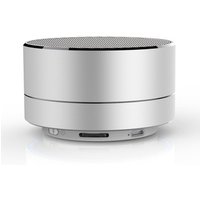
Music festival shenzhen OEM super bass led mini wireless portable bluetooth speaker
Alibaba UK