
Contents (10 sections)
In today's digital age, music analytics has become an essential tool for artists looking to expand their audience and engagement. By leveraging data derived from various platforms, musicians can gain valuable insights into listener behaviour, preferences, and trends that can inform their marketing strategies. Understanding how to efficiently analyse and apply this data can significantly enhance growth opportunities, giving musicians a competitive edge in the market.
📈 Step 1: Understand the Basics of Music Analytics
Before diving into the data, it's crucial to grasp what music analytics entails. Essentially, music analytics refers to the collection and interpretation of data related to music performance across various platforms, including streaming services, social media, and sales channels. This data not only includes streaming numbers but also demographics, listener engagement, and geographical trends.
To effectively use music analytics, artists should consider different metrics such as:
- Streams: The number of times a song or album is played.
- Listeners: Unique individuals engaging with the music.
- Engagement: Interaction through likes, shares, and comments.
- Demographics: Listener age, gender, and location data.
Understanding these metrics allows artists to tailor their marketing strategies for better results. For instance, a noticeable spike in streams from a particular city might indicate a strong local interest, suggesting opportunities for live performances.
🔍 Step 2: Choose the Right Analytics Tools
With a myriad of options available, selecting the appropriate analytics tools can streamline the data collection process. Here are a few essential tools:
- Spotify for Artists: Offers insights into track performance, audience demographics, and playlist placements.
- Apple Music for Artists: Provides metrics on plays, purchases, and geographical listening patterns.
- Soundcharts: Tracks airplay, social media activity, and streaming metrics across platforms.
When selecting a tool, consider your specific needs—whether it’s understanding streaming performance or listener engagement. Each platform may offer different insights, so exploring multiple tools can provide a comprehensive view of your audience.


📊 Step 3: Analyse Your Data
Once you have the right tools in place, begin analysing your data. Focus on identifying patterns and trends over time. For instance, consider questions like:
- Which tracks are performing the best, and what characteristics do they share?
- Are there specific times or seasons when streams peak?
- What demographic or geographical trends can be observed over time?
Using a systematic approach will help you detect crucial insights. For example, if listeners aged 18-24 are engaging heavily with your latest single, you might want to create promotional material that resonates with that age group, enhancing the chances of deeper engagement.
🔃 Step 4: Implement Data-Driven Decisions
Data without action is futile. Implementing insights derived from your analysis into your marketing strategy is key. This could involve adjusting your promotional strategies based on audience demographics, focusing on social media platforms where your audience is most active, or even curating specific content that aligns with trends noticed in your analytics.
For example, if you notice a growing audience segment in a specific city, consider organising a local gig or collaborating with local influencers to further amplify your outreach. This direct interaction will cultivate a stronger relationship with your listener base.
📅 Step 5: Monitor and Adjust Strategies
As you implement strategies based on your music analytics, continuous monitoring is vital. Keep track of how your adjustments affect listener engagement, sales, and overall growth. Set benchmarks based on previous metrics and compare performance against these new targets.
Regularly assessing your strategies based on analytics enables real-time adjustments, ensuring you're always aligning with audience preferences. For instance, if engagement drops after a marketing push, closely analyse the data to identify potential reasons and adapt accordingly.
Checklist for Using Music Analytics
- [ ] Choose appropriate analytics tools.
- [ ] Analyse your listeners' data regularly.
- [ ] Implement strategies based on insights.
- [ ] Monitor engagement and sales.
- [ ] Adjust strategies based on feedback and analytics.

LG 55UR762H3ZC 139.7 cm (55") 4K Ultra HD 400 cd/m² Smart TV Black 10 W
Back to the Office

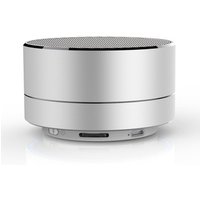
Music festival shenzhen OEM super bass led mini wireless portable bluetooth speaker
Alibaba UK
📺 Resource Video
> 📺 To go further: An engaging visual analysis of how analytics shapes music marketing strategies. Search on YouTube: how to use music analytics effectively.
Glossary
| Terme | Définition |
|---|---|
| Streams | Nombre de lectures d'un morceau ou d'un album. |
| Demographics | Données relatives à l'âge, au sexe et à la localisation des auditeurs. |
| Engagement | Interactions des auditeurs avec votre musique, comme les likes et les partages. |
---
📺 Pour aller plus loin : how to use music analytics effectively sur YouTube
Recommended products
Selected by our experts
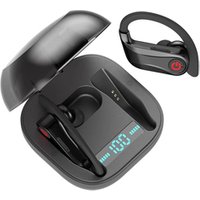
New arrival Q62 Power Pro super bass 11h music bt waterproof ip68 earhook display sports tws earphone headphone earbuds
Alibaba UK

NEW Universal Remote Control MC377LL/A For Appl TV 2 3 Music System Mac mc377ll
Alibaba UK
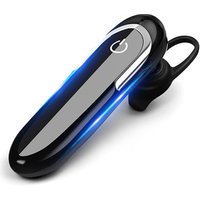
Bluetooth Earphone with Microphone 32 hours Talk Time Wireless headset Sweat-proof Sport Music Earbuds Long Last Earpiece
Alibaba UK

MUSICOZY Sleep Mask Headphones,Wireless Sleep Headphones Eye Mask with Bluetooth Headphon
onbuy.com

Sleep Headphones Bluetooth Eye Mask,Musicozy Sleep Mask Headphones with 14 Hrs P
onbuy.com