Contents (12 sections)
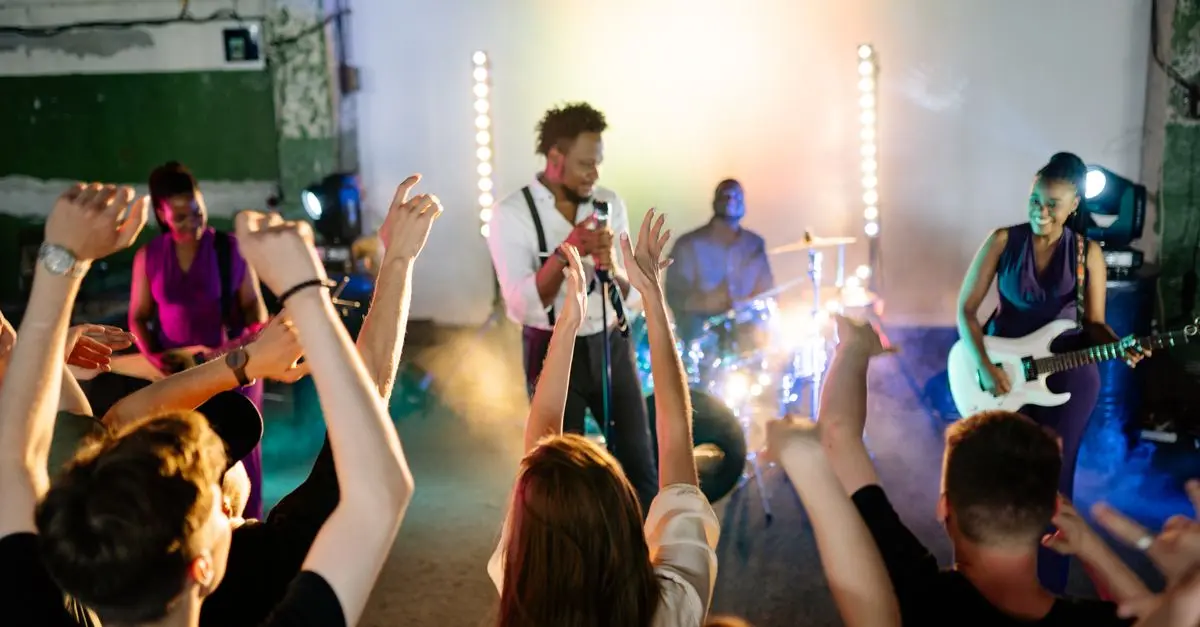
Collaboration in music is not just about combining talents; it’s a way to enhance creativity, discover new styles, and make the music creation process more enjoyable. Whether you're a seasoned artist or a budding musician, understanding the nuances of music collaboration can greatly improve your work. This article offers practical tips and techniques for collaborating effectively with others, ensuring your musical projects reach their full potential.
1. Define Your Goals and Vision
Before diving into any collaborative project, it’s crucial to establish a clear vision. This means discussing what each collaborator hopes to achieve and the direction they want the music to take. Are you aiming for a specific genre? Is there a lyrical theme you want to explore? Setting these parameters can prevent conflicts later on. For example, a band starting a new album should decide whether they want to pursue a more acoustic sound or an electronic one. Through a successful collaborative discussion, all parties can align their creativity towards a single objective.
Key Points:
- Establish clear goals early.
- Discuss genre and style preferences openly.
- Ensure everyone is on the same page.
2. Choose the Right Collaborators
The success of your collaboration largely depends on the individuals involved. Look for musicians who not only match your skill level but also share compatible working styles. If you prefer structured sessions, working with someone who thrives in chaos could lead to frustration.
Consider diversifying your collaborators to bring various perspectives to your sound. For instance, working with a jazz musician can introduce complex harmonics to a pop song, while collaborating with a rapper can add rhythmic depth. Finding the right fit can transform a project from mundane to extraordinary.
Considerations:
- Assess skill levels and personal compatibility.
- Identify potential collaborators outside your usual genre.
- Experiment with different styles to enhance creativity.

Viewsonic IFP7534 interactive whiteboard 190.5 cm (75") 3840 x 2160 pixels Touchscreen Black
Back to the Office
Sponsored by Lopardi

Viewsonic IFP6534 Display interactive whiteboard 165.1 cm (65") 3840 x 2160 pixels Touchscreen Black
Quzo UK
Sponsored by Lopardi

Seiko Mens Limited Edition 5 Sports X HUF II Collaboration Green Bracelet Watch SRPM09K1
houseofwatches.co.uk
3. Establish Roles and Responsibilities
Once you have your team, it’s time to delineate who does what. This step is crucial in avoiding overlap and ensuring that each member’s strengths are maximised. For instance, one collaborator might take the lead on songwriting while another focuses on arrangement or production. Clearly defined roles can streamline the creative process and prevent misunderstandings.
Checklist:
- Outline specific tasks for each member.
- Create a timeline for project milestones.
- Revisit roles regularly to adapt to the project needs.
4. Foster Open Communication
Communication is the cornerstone of a successful collaboration. Establish a regular check-in schedule to discuss progress, challenges, and any changes in direction. Platforms like Slack or Discord can facilitate ongoing discussions easily, enabling feedback in real-time.
Encouraging an environment where everyone feels comfortable sharing ideas without judgement fosters creativity. Musicians should feel free to experiment and suggest changes. For example, if someone proposes rewiring a song’s structure, a group that communicates effectively can evaluate and implement that suggestion without resentment.
Tips:
- Set up regular meetings for updates.
- Encourage constructive feedback from all members.
- Use collaborative tools to streamline communication.
5. Embrace Technology
In today's digital world, numerous tools can facilitate music collaboration. Software like GarageBand, Ableton Live, or cloud services such as Soundtrap allow musicians to contribute from different locations. These platforms enable seamless sharing of ideas and progress, regardless of geographical barriers.
By incorporating technology into your collaboration, you can not only enhance productivity but also access a wider pool of talent. For example, you can involve a producer from another country who has experience in mixing or mastering, regardless of where you are located.
Recommended Tools:
- Explore music collaboration platforms that suit your needs.
- Be open to new tech solutions that can improve your workflow.
6. Maintain Flexibility and Adaptability
No collaborative project is without its challenges. Flexibility is essential in accommodating different working styles, unexpected changes in schedules, or creative differences. Embrace a mindset that values adaptability; sometimes the best ideas come from unplanned moments. For instance, if a spontaneous jam session leads to a new hook for your song, be ready to pivot and incorporate that into your work. Flexibility fosters a creative environment and allows you to innovate over time.
Strategies:
- Be open to changes in the song structure or lyrics.
- Adapt roles as the project evolves.
- Stay positive and focus on solutions rather than problems.

Viewsonic IFP7534 interactive whiteboard 190.5 cm (75") 3840 x 2160 pixels Touchscreen Black
Quzo UK
Sponsored by Lopardi

MUSICOZY Sleep Mask Headphones,Wireless Sleep Headphones Eye Mask with Bluetooth Headphon
onbuy.com

Sleep Headphones Bluetooth Eye Mask,Musicozy Sleep Mask Headphones with 14 Hrs P
onbuy.com
7. Celebrate Achievements
Finally, acknowledging both small and large successes is important. Whether you finish a song, complete an album, or gain recognition, celebrating these achievements strengthens the bond between collaborators. Organise a listening party, share your music on social media, or simply take time to appreciate each other’s contributions.
Celebrating milestones helps to motivate the team and reaffirm the commitment to future collaborations. It creates a sense of shared ownership over the artistic output, ensuring that all contributors feel valued.
Activities:
- Schedule periodic celebrations for achieving project milestones.
- Share successes on social media or music platforms.
Conclusion
Mastering the art of music collaboration requires intention, communication, and a willingness to embrace the creative process together. By following these tips and techniques, you can form successful partnerships that will enhance your music and expand your creative horizons.
Checklist for Successful Music Collaboration
- [ ] Define collaborative goals and vision.
- [ ] Select compatible collaborators.
- [ ] Establish clear roles and responsibilities.
- [ ] Foster open and honest communication.
- [ ] Embrace technology for remote collaboration.
- [ ] Be flexible and adaptable.
- [ ] Celebrate achievements often.
Glossaire
| Terme | Définition |
|---|---|
| Collaboration | Acte de travailler ensemble sur un projet musical. |
| Productivité | Capacité à produire des résultats dans un temps donné. |
| Role | Fonction attribuée à chaque membre dans le processus collaboratif. |
> 🧠 Quiz rapide : What is the key to successful music collaboration?
> - A) Choosing the wrong collaborators.
> - B) Clear communication.
> - C) Ignoring feedback.
> Réponse : B — Clear communication ensures a smooth workflow and enhances creativity.
📺 Resource Video
For further insights: Explore the magic of music collaboration in various settings. Search on YouTube: “how to collaborate in music effectively 2026”.
📺 Pour aller plus loin : effective music collaboration techniques 2026 sur YouTube
Recommended products
Selected by our experts

Viewsonic IFP8634 interactive whiteboard 2.18 m (86") 3840 x 2160 pixels Touchscreen Black
Quzo UK
Sponsored by Lopardi


QNAP TS-433 NAS Tower ARM Cortex-A55 4 GB 0 TB QNAP QTS White
Quzo UK
Sponsored by Lopardi


QNAP TS-433 NAS Tower ARM Cortex-A55 4 GB 0 TB QNAP QTS White
Quzo UK
Sponsored by Lopardi