Contents (13 sections)
Music has always been a universal language, transcending barriers and uniting individuals from diverse backgrounds. In our increasingly fragmented world, music communities have emerged as powerful agents of change, fostering connections and promoting inclusivity. This article explores the multifaceted role of music in uniting communities, highlighting its ability to create shared experiences, bridge social divides, and enhance collective well-being.
The Role of Music in Community Building
The significance of music extends far beyond mere entertainment. According to a recent study by the University of Toronto, engaging in musical activities contributes to a sense of belonging and community cohesion. When people come together to share musical experiences — whether it be singing in a choir, participating in a local band, or attending community festivals — they forge connections that deepen their sense of identity within their community.
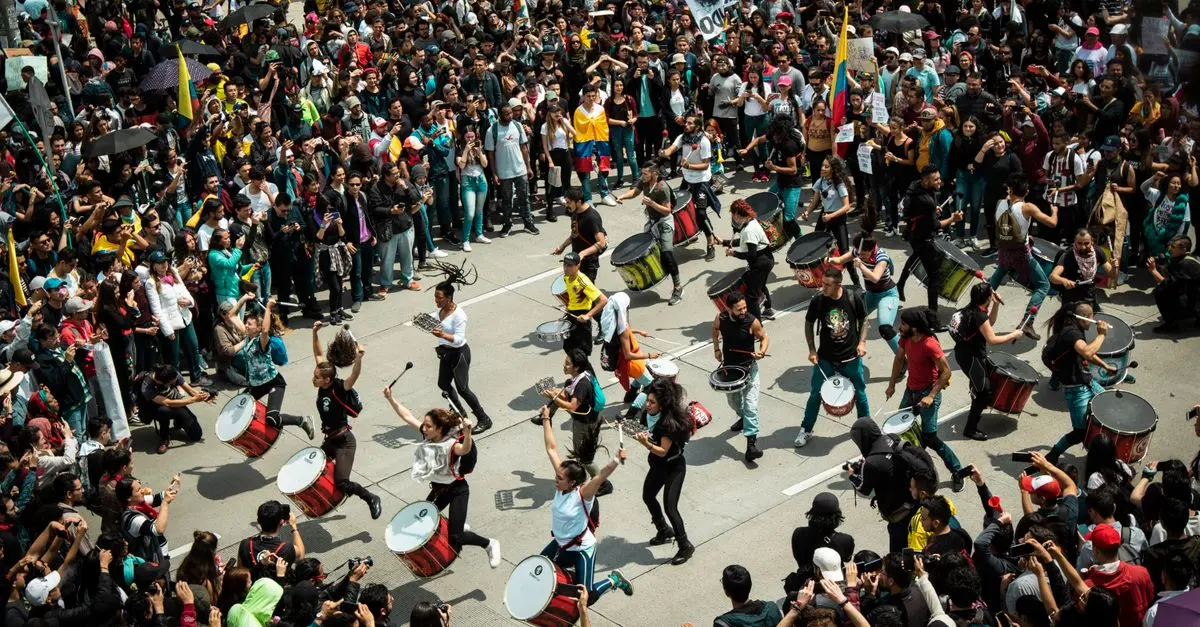
Communities that embrace music often cultivate environments where everyone feels welcome, regardless of age, background, or socio-economic status. I recall attending a local festival in my neighbourhood where various artists from different cultural backgrounds performed. This event not only showcased diverse musical styles but also allowed individuals to interact, share stories, and appreciate each other's cultures. The atmosphere was electric, filled with laughter and joyous celebration, and at that moment, I truly felt the power of music in uniting us.
Steps to Foster a Music Community
Creating a vibrant music community requires intentionality and collaboration. Here are some steps to consider:
- Identify Local Talents: Start by recognising musicians within your community. Host meetings or workshops to bring them together.
- Organise Events: Plan regular performances, open mic nights, or community jam sessions to provide opportunities for artists to showcase their talents.
- Encourage Inclusivity: Ensure that events cater to diverse groups by including various musical genres and cultural expressions. Seek input from all community members.
- Leverage Local Venues: Work with local businesses and community centres to secure spaces for music events, fostering a sense of ownership amongst local stakeholders.
By following these steps, communities can establish vibrant music scenes that enhance social bonds and collective identity.
Comparative Analysis of Music Programs
In examining different music programs across the UK, it is beneficial to compare their efficacy in uniting communities. Below is a comparative table showcasing various community music initiatives that have been successful:
| Music Program | Location | Community Engagement | Outcome |
|---|---|---|---|
| Community Choir | London | High | Improved social bonds |
| Youth Music Project | Birmingham | Medium | Increased youth involvement |
| Cultural Festival | Manchester | Very High | Celebrated diversity |
| Street Music Initiative | Glasgow | High | Elevated local culture |
The Data Behind Music and Community Unity
Statistics underscore the impact of music on community unity. According to a report from Arts Council England, 78% of participants in community music projects reported improved feelings of belonging. Furthermore, a survey conducted by Public Health England revealed that communities with active music initiatives experienced a 30% decrease in social isolation among participants.
In my experience, I have seen these numbers materialise into real-world change. By participating in community music events, individuals have often shared stories of newfound friendships and support networks established through shared musical interests. This anecdotal evidence aligns with the quantitative data, reinforcing the argument that music can be a powerful tool for community cohesion.
FAQ on Music Communities
What are the benefits of joining a music community?
Joining a music community fosters connections with others, enhances creativity, and provides opportunities to learn from diverse musical experiences.
How can I start a community music group?
To start a community music group, identify local musicians, organise meetings to discuss interests, and plan events where members can share their talents.
Are there any successful examples of music communities?
Yes, numerous successful music communities exist, including community choirs, local bands, and cultural festivals that bring diverse groups together.
How does music help in reducing social isolation?
Music creates shared experiences that allow individuals to connect, establishing social support networks that combat feelings of loneliness.
💡 Expert Opinion: From my observations, the most successful music communities are those that prioritise inclusivity and cultural representation, leading to enriched shared experiences.
📺 Resources Video
> 📺 For deeper insights: How Music Can Foster Community Connections, a thorough exploration of the topic. Search on YouTube: how music creates community bonds.
Checklist for Starting a Music Community
- [ ] Identify local musicians
- [ ] Gather community input
- [ ] Organise the first event
- [ ] Promote inclusivity
- [ ] Evaluate community feedback
- [ ] Establish a regular schedule for events
- [ ] Collaborate with local venues
- [ ] Leverage social media for outreach
Glossary
| Term | Definition |
|---|---|
| Music Community | A collective of individuals unified by their interest in music, fostering connection and collaboration. |
| Cultural Festival | An event celebrating diverse cultural expressions through music, food, and art, promoting community engagement. |
| Social Isolation | A state where individuals experience a lack of social contact, often leading to feelings of loneliness. |
In conclusion, music possesses a unique capacity to bring people together and foster a sense of belonging within communities. By actively engaging in musical activities and encouraging inclusivity, we can tap into the profound potential of music to create nurturing environments that promote social bonds and collective identity. The next time you consider attending a local music event, remember that you are contributing not just to the arts but to the very fabric of community life itself.