
Contents (12 sections)
Building a successful music career relies not just on talent but also on music networking. This process involves forging connections with fellow musicians, industry professionals, and influencers who can propel your career forward. Understanding the significance of networking is essential—these relationships can lead to collaborations, gigs, and valuable advice. In this guide, we will explore key strategies to effectively build and nurture your music network for long-lasting success.
1. Understand Your Purpose in Networking
Before diving into music networking, it's crucial to identify your specific objectives. Are you looking to collaborate with other artists, gain access to industry insights, or secure live performances? Your goals will shape your networking strategy. For instance, if your focus is collaboration, you might prioritise connecting with artists from diverse genres to create unique projects. Setting clear objectives will help you pursue the right conversations and initiatives, ensuring that your efforts yield positive results.
2. Start with Online Platforms
In 2026, various online platforms are invaluable resources for music networking. Websites such as SoundCloud, Bandcamp, and LinkedIn facilitate connections with artists and industry experts alike. Joining forums and groups dedicated to music can also enhance your visibility. For example, participating in conversations on Reddit or Facebook groups can open doors to new contacts. Ensure that your profile showcases your music and personality, making it easier for others to connect with you. Bonus Tip: Regularly engage with others’ posts to establish a rapport before reaching out directly.

NETGEAR GS752TP 48 Ports Ethernet Switch - Up to 760W PoE+ Budget Business Networking Solution
box.co.uk

StarTech.com USB Bluetooth 5.3 Class 1 Adapter Dongle for PC/Laptop, Long-Range Connectivity for Keyboard, Mouse, Audio Streaming and PAN Networking,
Back to the Office

Zebra SW-ALLTOUCHTE-AND networking software Terminal emulation
Back to the Office
3. Attend Music Events and Conferences
In-person events remain pivotal for networking in the music industry. From local gigs to international music conferences, these settings provide an excellent opportunity to meet like-minded individuals. Attend workshops, panels, and concerts where you can mingle during breaks. Networking Tip: Always carry business cards or digital links to your music. A memorable introduction and a follow-up can make a lasting impression. Studies show that 85% of industry professionals believe face-to-face interactions are crucial in building business relationships.
4. Build Genuine Relationships
Effective music networking isn't about collecting contacts; it's about cultivating genuine relationships. This means investing time in getting to know people and sharing mutual interests—whether in music styles, production techniques, or career goals. An example would be collaborating with fellow musicians on new tracks or offering to help with their promotional efforts. As these connections grow, the likelihood of collaborative opportunities increases, creating a mutually beneficial environment.
5. Leverage Social Media Effectively
Social media platforms are powerful allies in your music networking journey. Use sites like Instagram, Twitter, and TikTok to share your music, updates, and personal insights. Engaging actively with followers and other artists will help establish your brand and personality. Use hashtags strategically to reach broader audiences and connect with artists in your genre. For example, sharing behind-the-scenes content can prompt conversations and foster connections. Caution: Ensure that your content remains professional and reflects your artistry.
6. Create a Diverse Network
To enhance your networking potential, strive to build a diverse network. Connect with professionals across various sectors of the music industry, including producers, promoters, journalists, and other creatives. This diversity allows you to gain different perspectives and insights that can inspire your work. Furthermore, collaborating with individuals from contrasting backgrounds can lead to innovative projects and broaden your audience. Consider attending events outside your musical genre to diversify your network further.


HPE Aruba Networking Networking Instant On Switch 24p Gigabit 2p SFP 1830
Quzo UK

Conclusion
Music networking is an ongoing process that requires dedication and effort. By understanding your networking goals, utilizing online platforms, participating in events, building genuine relationships, leveraging social media, and cultivating a diverse network, you're better positioned to thrive in the competitive music landscape. Remember, the connections you make can open doors to countless opportunities—so invest the time and effort to nurture them.
Checklist before Networking
- [ ] Define your networking objectives.
- [ ] Create or update your online profiles.
- [ ] Research upcoming music events to attend.
- [ ] Prepare your promotional materials (business cards, digital links).
- [ ] Engage genuinely with others in your field.
Glossary
| Terme | Définition |
|---|---|
| Music Networking | The process of building relationships within the music industry to enhance career opportunities. |
| Collaborations | Working together with other artists or industry professionals to create music or projects. |
| Industry Professionals | Individuals who work within the music industry, including producers, agents, and managers. |
📺 Resource Video
> 📺 For further insights: How to Build Your Music Network, a comprehensive guide on effective music networking strategies. Search on YouTube: "how to network in the music industry 2026".
📺 Pour aller plus loin : how to network in the music industry 2026 sur YouTube
Recommended products
Selected by our experts

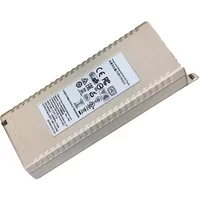
HPE Aruba Networking AP-POE-ATSR 1-Port Smart Rate 802.3at 30W Midspan Injector
Quzo UK




HPE Aruba Networking AP-ANT-320 Cabled RP-SMA Tri-Band 2x2 Downtilt Omni Ceiling Antenna
Quzo UK