Contents (9 sections)
The field of music production techniques has witnessed sweeping transformations in recent decades. Understanding these changes not only highlights technological advances but also enriches our appreciation for the artistry involved in music creation. From the analogue era to digital dominance, the evolution of music production is as fascinating as it is essential for any modern artist or producer.
What Are Music Production Techniques?
At its core, music production techniques encompass the methods and processes used to record, mix, and produce music. These can include everything from the equipment used (like microphones and mixing consoles) to the software employed for arranging and editing music tracks. The art of music production also involves understanding various genres, sound design, and the nuances of mixing and mastering audio.
The significance of music production extends beyond the studio. It can dictate how a song is received by audiences, influencing commercial success and artistic integrity. Therefore, mastering these techniques is crucial for anyone involved in the music industry today, offering tools to bring creative visions to life.
The Historical Context of Music Production Techniques
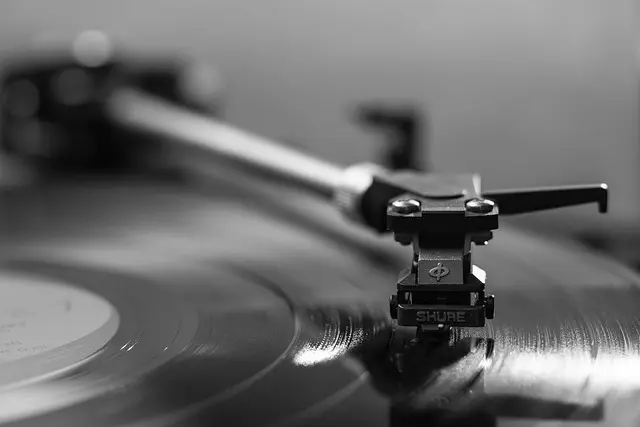
Historically, music production was dominated by analogue methods. Early recording techniques, such as the use of tape machines and microphones, set the foundation for how music was captured. Techniques like overdubbing—recording multiple layers of sound—came into play as studios began to embrace more advanced equipment in the 1960s. The Beatles, for instance, became pioneers in using these techniques effectively, demonstrating how innovative recording could transcend traditional musical boundaries.
In the 1980s, the arrival of digital recording technology marked a pivotal shift. Digital audio workstations (DAWs) began to replace analogue tape systems, allowing for a more precise and flexible approach to music production. This change not only streamlined the recording process but also made music production more accessible to aspiring artists who could now create music in their home studios. Companies like Avid and Apple played crucial roles in popularising software like Pro Tools and Logic Pro, which are staples in today’s production landscape.
Step-by-Step: Modern Music Production Techniques
To effectively engage with current music production techniques, one must understand the steps involved in the process:
- Pre-Production: This involves songwriting and arranging the music before recording begins. Artists often collaborate with producers to refine their ideas.
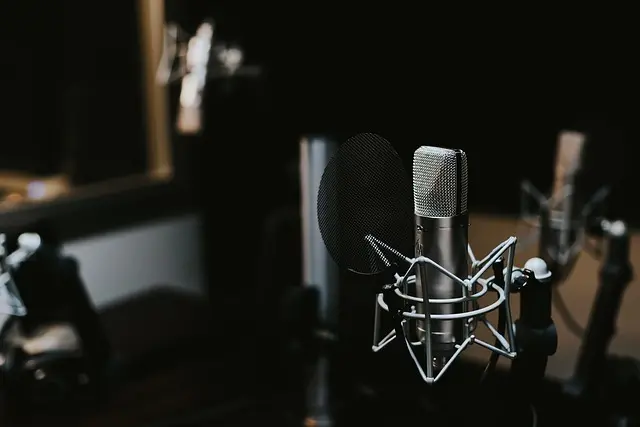
- Recording: Using professional microphones and interfaces, the various elements of a song are captured one track at a time. A solid understanding of mic placement and acoustics is vital here.
- Editing: After recording, producers edit audio tracks to enhance clarity and remove any imperfections. This stage often utilises software-based editing tools that allow for precision.
- Mixing: This crucial technique involves balancing levels, panning instruments, and applying effects such as reverb and EQ to create a cohesive sound.
- Mastering: The final step improves the overall sound quality, preparing tracks for distribution. This may involve adjusting levels for various playback systems to ensure a consistent listening experience.
Comparative Analysis: Analogue vs Digital
| Criterion | Analogue Techniques | Digital Techniques | Verdict |
|---|---|---|---|
| Cost | High (studio time, equipment) | Lower (home studios, software) | Digital is more accessible. |
| Sound Quality | Warm, rich tones | Clear, precise sound | Both have unique qualities. |
| Editing Flexibility | Limited (re-takes necessary) | High (non-destructive editing) | Digital offers superior flexibility. |
| Skill Requirement | Requires traditional training | Accessible with online resources | Digital allows for rapid learning. |
Trends and Future Directions in Music Production
As we advance further into the 2020s, numerous trends are shaping the future of music production techniques. One notable trend is the rise of AI in music creation, assisting producers in crafting melodies, generating beats, and even mixing tracks with greater efficiency. For example, AI software can analyse successful tracks and suggest arrangements or harmonies, streamlining the creative process. Furthermore, cloud-based collaboration tools enable artists from diverse locations to work together seamlessly.
Virtual reality (VR) and immersive audio are also pushing boundaries, creating unique experiences for listeners. As technology continues to evolve, the integration of innovative tools will likely lead to new genres and ways of interacting with music.
💡 Expert Opinion: According to Mix Magazine, embracing both modern technology and traditional techniques allows for unique soundscapes that resonate with varied audiences. Understanding this balance can significantly impact an artist's career trajectory.
Q1: What is the most important music production technique?
A1: There isn’t a singular technique that stands above others; it varies by genre and the artist's vision. However, solid mixing can greatly enhance a track's impact.
Q2: How has technology changed music production?
A2: Technology has revolutionised accessibility, workflow efficiency, and the variety of available sounds, making it easier for artists to produce high-quality music from home.
Q3: What role does mastering play in music production?
A3: Mastering finalises a track for distribution, ensuring that it sounds its best on various playback devices while maintaining consistency.
Q4: Can anyone learn music production?
A4: Absolutely! Many resources, including online courses and tutorials, make learning music production techniques accessible to anyone passionate about music.
Glossary
| Terme | Définition |
|---|---|
| DAW | Digital Audio Workstation, a software used for recording and editing audio. |
| Overdubbing | Technique of recording additional sounds over a previous track. |
| Mixing | The process of blending multiple audio tracks into a single output. |
Checklist avant achat
- [ ] Explore various DAWs to find the best fit.
- [ ] Invest in quality microphones for better recording.
- [ ] Understand the basics of mixing and mastering.
- [ ] Keep up with current trends and technologies in music production.
- [ ] Collaborate with peers to gain new insights and techniques.
📺 Pour aller plus loin: [The Art of Music Production], an in-depth exploration of the evolution of music production techniques and their impact on today's industry. Recherchez sur YouTube : music production techniques evolution 2026.
Call to Action: Ready to take your music production skills to the next level? Explore our resources and recommended products to help you on your journey!
📺 Pour aller plus loin : music production techniques evolution 2026 sur YouTube
Recommended products
Selected by our experts

SanDisk Ultra microSD with SD Adapter - 64GB
Quzo UK
This microSD card is ideal for music producers looking to store high-resolution audio files securely and efficiently.
Sponsored by Lopardi

Sealey Production Sanding Roll 115mm 5m 180g
Tooled Up
This memory card is perfect for ensuring quick data transfer and reliable storage during music productions.
Sponsored by Lopardi

Sennheiser MKH 418-S Shotgun Microphone- Video~~Video Editing Hardware & Production Equipment
parkcameras.com
The Sennheiser MKH 418-S is a versatile microphone that enhances recording quality, making it a valuable tool for any studio.