Contents (7 sections)
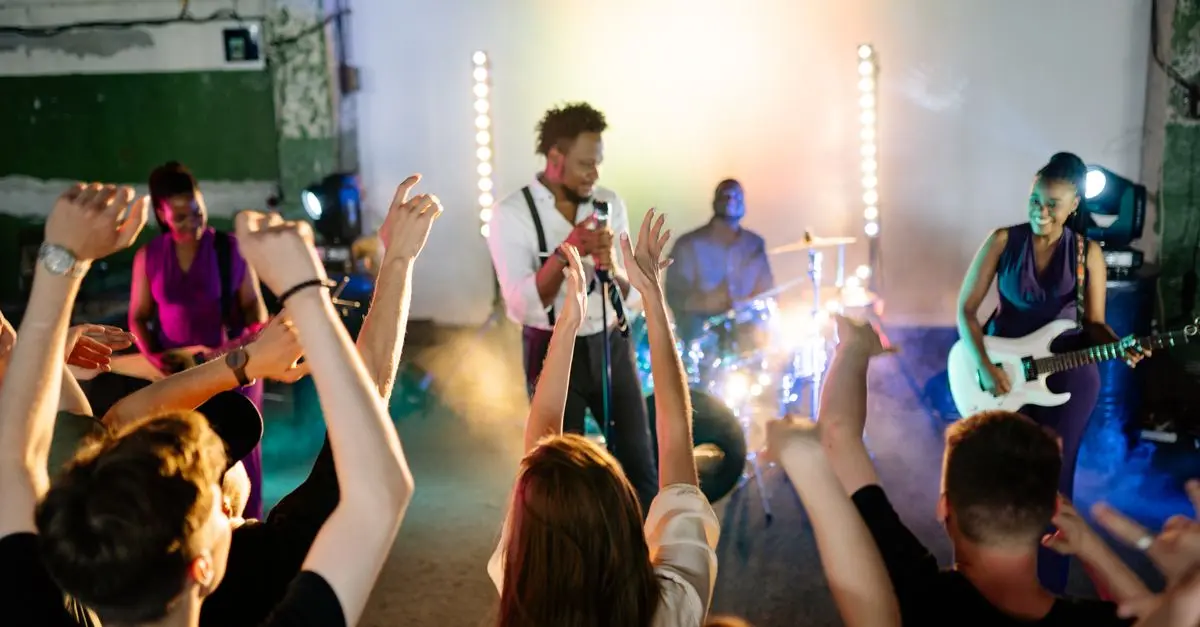
Collaboration is at the heart of the music industry, particularly for emerging artists. Working alongside fellow musicians can expand your creative horizons, enhance your skills, and increase your visibility. Here are five essential tips for effective music collaboration.
1. Choose the Right Collaborators
When seeking to collaborate, it's essential to select artists whose musical styles, values, and goals align with yours. This alignment doesn't mean you should only collaborate with like-minded musicians, but rather that you should find those who complement your style. For example, if you're a pop artist, partnering with a jazz or classical musician can introduce unique elements to your sound. Consider local music scenes or online platforms like SoundCloud or Bandcamp, where you can listen to others' work and gauge how well your styles might fit together. Remember, collaborating with artists who share your vision can lead to a more productive and enjoyable partnership.
2. Communicate Openly and Set Goals
Effective communication is vital in any collaboration. From the beginning, discuss what each musician hopes to gain from the partnership. Setting clear goals helps ensure everyone is on the same page. For instance, if the objective is to produce a single, outline the song's thematic direction, and how you envision each artist's contribution. Regular check-ins can help keep the project on track. Moreover, consider using collaborative tools like Google Docs or domain-specific platforms such as Splice, which allow real-time collaboration and feedback.

Viewsonic IFP7534 interactive whiteboard 190.5 cm (75") 3840 x 2160 pixels Touchscreen Black
Back to the Office
Sponsored by Lopardi

Seiko Mens Limited Edition 5 Sports X HUF II Collaboration Green Bracelet Watch SRPM09K1
houseofwatches.co.uk

Viewsonic IFP7534 interactive whiteboard 190.5 cm (75") 3840 x 2160 pixels Touchscreen Black
Quzo UK
Sponsored by Lopardi
3. Embrace Feedback and Adaptability
Collaborating with other musicians often means receiving feedback that may challenge your perspective. Being open to constructive criticism is crucial. This feedback can lead to improvements in your work and foster a healthier collaboration environment. For example, if a collaborator suggests a different chord progression or lyric change, don’t dismiss it outright; consider how it might enhance the piece. Adaptability is key—both in accepting feedback and in adjusting your plans as necessary. This approach can lead to incredible musical creations that might not have been possible otherwise.
4. Leverage Social Media and Digital Platforms
In the digital age, social media serves as a powerful tool for musicians to connect and collaborate. Platforms like Instagram and Twitter can help you surface potential collaborators by following hashtags relevant to your genre. Once you establish a connection, consider using sound-sharing platforms to explore each other's work. This exposure can also aid in marketing your collaborative projects. As you share updates about your collaboration on social media, it can cultivate interest among your followers, thus expanding your reach. Additionally, tools like Zoom or Discord can facilitate remote collaborations, enabling you to work with artists from around the world seamlessly.
5. Protect Your Work and Acknowledge Contributions
Lastly, it is imperative to ensure that everyone's contributions are acknowledged and protected. Discuss ownership and usage rights before you start recording. Will the song be a split agreement, or will one artist retain more control? Clarity from the get-go can prevent disputes later. Consider drafting a simple agreement that outlines what each artist brings to the table. This not only safeguards your interests but also builds trust among collaborators. Acknowledged contributions promote goodwill and lead to longer-lasting partnerships in the music business.
Checklist Before You Collaborate
- [ ] Identify potential collaborators with compatible styles.
- [ ] Outline clear objectives and expectations for the project.
- [ ] Maintain open channels for feedback and communication.
- [ ] Harness social media for networking and sharing.
- [ ] Draft an agreement for rights and contributions.

MUSICOZY Sleep Mask Headphones,Wireless Sleep Headphones Eye Mask with Bluetooth Headphon
onbuy.com

Viewsonic IFP6534 Display interactive whiteboard 165.1 cm (65") 3840 x 2160 pixels Touchscreen Black
Quzo UK
Sponsored by Lopardi

Sleep Headphones Bluetooth Eye Mask,Musicozy Sleep Mask Headphones with 14 Hrs P
onbuy.com
Glossary
| Terme | Définition |
|---|---|
| Collaboration | Travail conjoint entre artistes pour créer une œuvre musicale. |
| Constructive Feedback | Critique visant à améliorer une œuvre ou une compétence. |
| Ownership Rights | Droits d'un artiste sur la propriété intellectuelle de sa création. |
> 🧠 Quiz rapide : What is the most important aspect of music collaboration?
> - A) Choosing the right collaborator
> - B) Keeping all ideas to yourself
> - C) Ignoring feedback
> Réponse : A — Choosing the right collaborator sets the foundation for a successful partnership.
📺 Pour aller plus loin : [The Importance of Collaboration in Music], explore the dynamics of musical partnerships and how to maximise them. Recherchez sur YouTube : "music collaboration tips 2026".
📺 Pour aller plus loin : FaceTime Tips 2026: Gestures, Audio & Video Enhancements, SharePlay Collaboration Guide sur YouTube
Recommended products
Selected by our experts

Viewsonic IFP8634 interactive whiteboard 2.18 m (86") 3840 x 2160 pixels Touchscreen Black
Quzo UK
Sponsored by Lopardi


QNAP TS-433 NAS Tower ARM Cortex-A55 4 GB 0 TB QNAP QTS White
Quzo UK
Sponsored by Lopardi


QNAP TS-433 NAS Tower ARM Cortex-A55 4 GB 0 TB QNAP QTS White
Quzo UK
Sponsored by Lopardi