Contents (14 sections)
Creating music at home or in a studio setting requires the right equipment to bring your creative vision to life. Understanding your specific needs is critical, as the right tools can significantly enhance your music production quality. In this guide, we will take you through a step-by-step process to help you choose the best music production equipment tailored to your needs.
Understanding Your Music Production Needs
Before diving into purchasing equipment, it’s essential to understand your music production needs. Are you a hobbyist creating music for personal enjoyment, or are you a professional looking to produce high-quality tracks for clients? The scale of your projects will dictate the types of equipment you require.
Additionally, consider the genres of music you will be producing. Electronic music may require different tools compared to rock or classical. For instance, electronic producers often rely heavily on software instruments and digital audio workstations (DAWs), whereas those producing acoustic music might need quality microphones and soundproofing materials.
Identifying your production goals and stylistic preferences will give you a clearer picture of what equipment to prioritize. According to recent surveys conducted by Sound on Sound, 67% of producers reported that knowing their essential gear before setting up a studio drastically improved their workflow.
Essential Equipment for Beginners
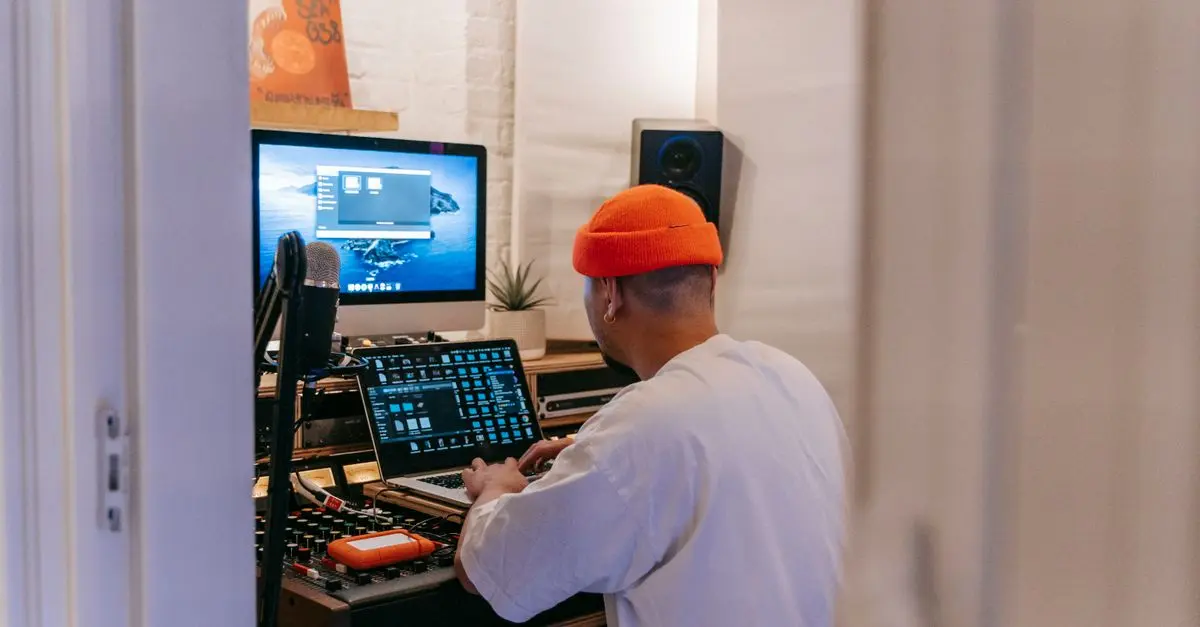
If you are just starting out, there are several pieces of equipment that you should consider essential. Firstly, a Digital Audio Workstation (DAW) is crucial; it is the software you will use to record, edit, and produce music. Popular choices among beginners include Ableton Live, FL Studio, and GarageBand due to their user-friendly interfaces.
Next, you will need an audio interface. This device connects your instruments and microphones to your computer, improving sound quality and reducing latency. Brands like Focusrite and PreSonus offer affordable interfaces suitable for beginners.
A good pair of studio monitors is also important. Unlike regular speakers, studio monitors provide a flat frequency response, ensuring that you hear a true representation of your sound. KRK and Yamaha are notable brands for entry-level monitors.
Don’t forget about accessories like headphones, microphone stands, and cables. Investing in quality equipment from the start can save you money in the long run, as you won't need to upgrade so quickly.
Intermediate and Advanced Tools
Once you have settled into music production, you might find that your equipment needs to expand further. Intermediate producers often benefit from additional tools such as synthesizers, MIDI controllers, and effects processors.
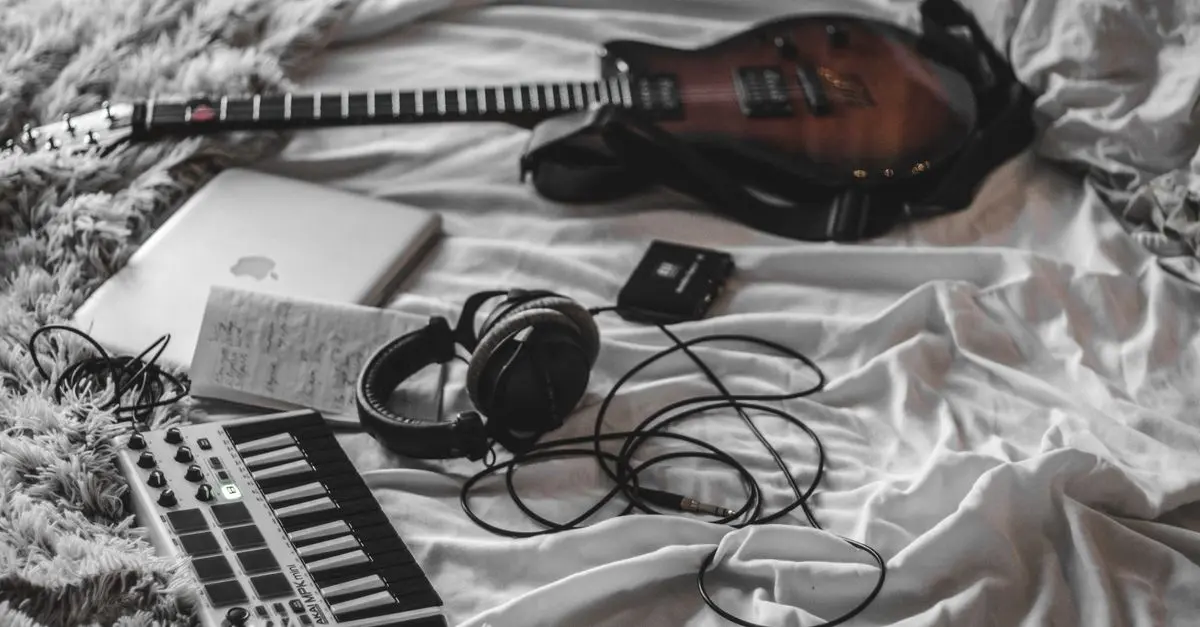
A MIDI controller allows for more tactile input when creating melodies or beats. It can be anything from a simple keyboard to a full pad controller with velocity-sensitive pads, like those from Novation or Akai. These tools give you expressive control over your sounds.
For sound design, having a physical synthesizer can offer you capabilities that software simply cannot replicate. Think about models like Korg's Minilogue or Roland's Boutique series. These machines can provide unique textures that help your music stand out.
Don't overlook the importance of sound libraries and plugins. Investing in high-quality virtual instruments and effects can significantly enhance your production capabilities. Companies like Native Instruments and Spectrasonics are known for their expansive libraries that cater to a variety of genres.
Considerations for Your Setting
The space where you produce music greatly influences how your equipment performs. Acoustic treatment is a critical factor. If your room is not acoustically treated, even the best equipment may not sound its best. Consider purchasing acoustic panels or bass traps to improve your sound environment.
Also, think about your workflow. A cluttered workstation can hinder productivity. Organising your space, possibly with a dedicated desk or studio furniture, can enhance your working experience. Many producers find that a good layout can notably increase creativity and efficiency.
Environmentally, ensure that your workspace is well-ventilated and comfortable, as you may spend long hours there. According to Acoustic Sciences, having an inspiring and comfortable workspace can significantly boost creativity and overall productivity.
Budgeting for Your Equipment
Budget is often a constraint for many budding producers. Setting a realistic budget is crucial. To determine your budget, first list out all the equipment you deem necessary. Then, prioritise this list: which items will give you the most return on investment?
If you're on a tight budget, consider purchasing second-hand equipment or look for bundle deals that often provide discounts for beginners. Websites like Reverb and eBay can have great pre-owned options. Additionally, many software solutions offer subscription models, allowing you to access high-quality tools without the hefty upfront costs.
Plan to save a portion of your earnings from music production to continuously reinvest in your equipment. It's often much more beneficial to slowly build your setup over time than to buy everything in one go. You can then invest more wisely, choosing what truly enhances your production.
Checklist Before You Purchase
- [ ] Determine your music production goals.
- [ ] List essential equipment needed for your genre.
- [ ] Research DAWs that suit your workflow preferences.
- [ ] Compare audio interfaces that fit your budget.
- [ ] Check reviews on studio monitors and headphones.
- [ ] Plan for space and acoustic treatment in your setup.
- [ ] Set a realistic budget and consider long-term investments.
Frequently Asked Questions
What type of equipment do I need to start producing music?
To begin, you need a computer with a DAW, an audio interface, studio monitors, and a microphone. These are the essentials that will allow you to record and produce music effectively.
How much should I budget for music production equipment?
A beginner setup can range from £300 to £1000, depending on the quality of equipment you choose. It's essential to prioritise spending on high-quality audio interfaces and monitors.
Should I go for software or hardware synthesizers?
It depends on your production style. Software synthesizers are often more affordable and easier to manage, while hardware synthesizers can offer unique sounds and a tactile experience.
Is acoustic treatment necessary for small rooms?
Yes, even small rooms benefit from some level of acoustic treatment. This ensures that your audio recordings are not heavily influenced by reflections from walls, enhancing the overall quality of your production.
Conclusion
In conclusion, choosing the right music production equipment requires careful consideration and planning. By understanding your needs, setting a realistic budget, and gradually building your setup, you'll create a productive space that inspires your creativity. Remember that the best gear is one that works for your specific goals. Happy producing!
📺 Pour aller plus loin : how to choose music production equipment 2026 sur YouTube