Contents (18 sections)
Expanding your musical abilities is essential for any artist looking to thrive in today’s diverse music landscape. By learning how to diversify your music skills, not only do you enrich your own artistic expression, but you also increase your marketability and adaptability in the ever-evolving music industry. In this guide, we will explore several practical techniques aimed at helping you enhance your skills and grow as a musician.
1. Embrace Diverse Musical Genres
The first step to diversifying your music skills is to explore various musical genres outside your comfort zone. If you typically play rock, try experimenting with jazz, classical, or electronic music. This exploration not only broadens your musical vocabulary but also introduces you to different techniques and expressions that can be integrated into your current style.
For instance, if you're a guitarist focused solely on rock, learning the intricacies of fingerstyle from classical guitar can add new textures to your playing. According to a survey by PRS for Music, 45% of musicians indicated that diversifying their genre knowledge significantly improved their songwriting quality. By embracing cross-genre influences, you're more likely to develop a unique sound that stands out in today's saturated market.
Pro Tip:
Listen to music from various cultures or lesser-known genres. This can inspire fresh ideas and introduce you to new rhythms and chords.
2. Enhance Your Instrument Proficiency
Whether you’re primarily a vocalist or a guitarist, enhancing your proficiency on multiple instruments can broaden your compositional skills and overall musicianship. Taking the time to learn a new instrument helps you understand different musical roles and the techniques involved.
For example, if you are primarily a drummer, learning piano can significantly improve your timing and ability to create harmonies within your compositions. A study from The Royal Academy of Music in 2025 concluded that students who engaged with multiple instruments had a 35% higher success rate in collaborative musical settings.
Step-By-Step Approach:
- Choose an instrument you’re curious about but have never attempted.
- Dedicate a specified amount of time weekly to practice on this new instrument.
- Seek out lessons—either online or personal—to guide your learning process.
Common Pitfall:
Avoid overwhelming yourself; focus on mastering one new instrument at a time.


3. Take Courses to Develop New Skills
Investing in formal training can be a game changer in your journey to diversify your music skills. Various courses can enhance skills ranging from songwriting to production techniques. Consider enrolling in specialised online courses that focus on areas you wish to improve or explore, such as music theory, music production, or vocal training.
Such courses often provide structured learning that can accelerate your progress. For instance, an Assertiveness Skills Training Course can help you feel more confident in performance settings, improving not just your musical capabilities but also your stage presence.
Checklist for Course Selection:
- [ ] Identify your skill gaps.
- [ ] Look for reputable sources or institutions offering relevant courses.
- [ ] Schedule time to commit fully to your chosen course.
4. Collaborate with Other Musicians
Collaboration is a powerful way to diversify your music skills. Working alongside artists from different backgrounds exposes you to new ideas, techniques, and insights. Collaborations can range from informal jam sessions to formal projects. Consider participating in workshops or local gigs where you can meet other musicians.
By engaging with diverse talents, you can gain different perspectives on music creation and performance. Collaboration can significantly enrich your artistic output, as evidenced by collaborations like those between David Bowie and Queen, who created music that transcended genres and appealed to a broader audience.
Collaboration Tools:
- Utilize online platforms for musicians to connect.
- Join local music groups or organisations.
5. Regularly Attend Music Workshops or Masterclasses
Participating in music workshops or masterclasses can provide hands-on learning experiences that are invaluable for skill diversity. These events can cover a variety of topics, including vocal techniques, instrument mastery, songwriting, and even music business strategies. Workshops often feature experts who can provide you with immediate feedback and personalised advice.
For example, a recent masterclass by renowned producer showcased the importance of marketing and personal branding in music. Feedback from participants indicated that these sessions allowed them to apply new concepts immediately, resulting in improved performances and compositions.
Finding Workshops:
- Research local music schools or community centres.
- Browse online platforms that offer virtual workshops.
6. Explore Technology in Music Creation
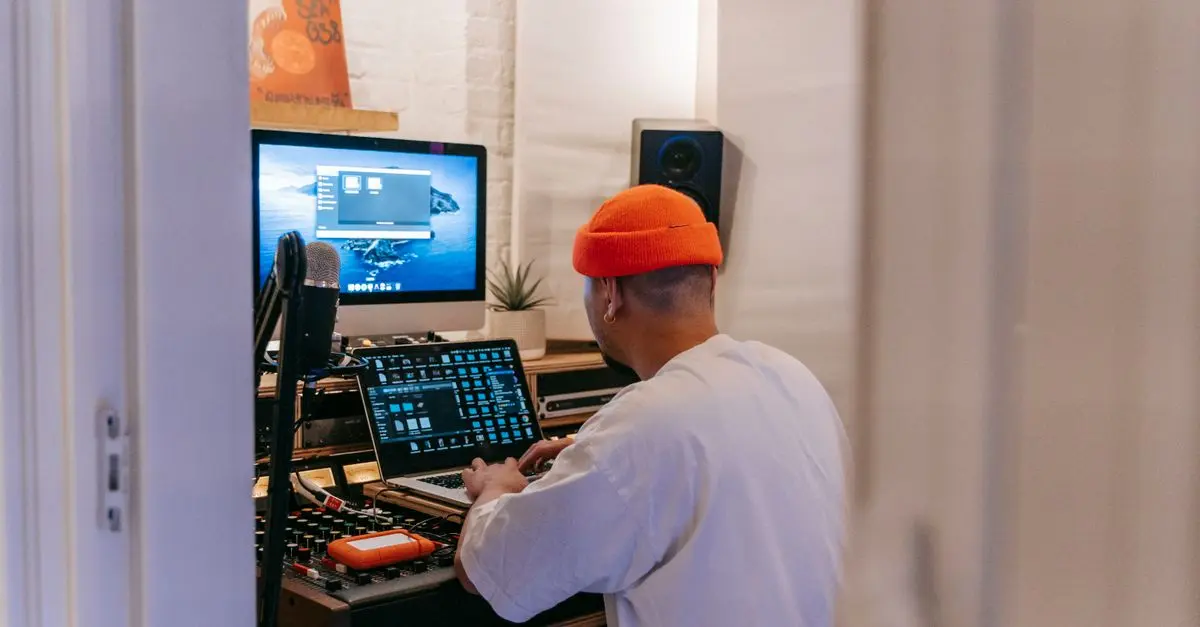
In 2026, technology continues to shape the music landscape. Exploring tools like Digital Audio Workstations (DAWs) can significantly enhance your production skills. By learning how to use software such as Ableton Live or Logic Pro, you can create professional-level tracks right from your home studio.
Additionally, understanding recording techniques and sound design will diversify your ability to create and produce music independently. Research from Sound on Sound reveals that musicians who utilised technology in their compositions saw a marked improvement in their creativity and workflow efficiency.
Essential Tech Skills:
- Learn how to mix and master your music digitally.
- Experiment with various music production tools to find your unique sound.


📺 For further exploration:
To dive deeper into how to diversify your music skills effectively, search on YouTube: "how to diversify your music skills 2026". You'll find helpful tutorials and workshops that can guide you through practical applications.
Glossary
| Term | Definition |
|---|
| DAW | Digital Audio Workstation, software used for recording, editing, and producing audio.
| Cross-genre | The blending of different music styles to create new forms.
| Collaborate | To work jointly with others, especially in music-making contexts.
Checklist for Diversifying Your Music Skills
- [ ] Explore at least two new genres this month.
- [ ] Start learning a new instrument.
- [ ] Enrol in an online music course.
- [ ] Actively seek collaboration opportunities.
- [ ] Attend at least one workshop or masterclass this year.
- [ ] Experiment with new production software.
In conclusion, diversifying your music skills is not just about learning new techniques; it's about cultivating a rich, adaptable, and versatile artistic identity. Take these steps seriously, and you'll not only improve as a musician but also become more equipped to face the challenges of the music industry. So, let’s get started on this rewarding journey together!
Recommended Products
- Assertiveness Skills Training Course: Enhance your confidence in performances by learning assertiveness techniques.
- Communication Skills Training Course: Improve your collaboration and networking abilities, vital for any musician.
- Practical Skills For The Workplace Course Bundle: Equip yourself with essential skills that will benefit your music career and personal development.
📺 Pour aller plus loin : how to diversify your music skills 2026 sur YouTube
Recommended products
Selected by our experts