Contents (9 sections)
In the rapidly evolving music industry, understanding and utilising music analytics can be the key to advancing your career. Music analytics encompasses a variety of data concerning listener behaviour, preferences, and trends. But why is it essential for artists today? The correct utilisation of these analytics can inform marketing strategies, improve audience engagement, and ultimately lead to more successful music releases. This guide will outline practical steps to leverage music analytics effectively.
Step 1: Understanding Music Analytics
What are Music Analytics?
Music analytics involves the collection and analysis of data related to music consumption. This includes not only streaming numbers but also demographics, geographic locations of listeners, and engagement statistics related to social media and sales. According to reports from IFPI, 2026 saw a significant spike in the use of music analytics tools among independent artists, indicating a shift in how artists approach their music careers.
Why Use Music Analytics?
Understanding analytics can help artists make informed decisions. For instance, an artist who discovers their music is most streamed in a particular region can focus their marketing efforts there, potentially increasing concert attendance and merchandise sales. Moreover, knowing listener demographics allows for targeted advertising and provides insight into what new music styles or themes might resonate best with their audience.
Step 2: Choosing the Right Tools
To collect and analyse music analytics, there are several tools available in the market. Here are some of the popular options:
- Spotify for Artists: This platform allows you to view listener demographics, streaming data, and playlist placements. A wealth of information is at your fingertips, helping to tailor your next single release.
- SoundCloud Insights: Ideal for newer artists, SoundCloud offers insights on how listeners are interacting with tracks, aiding in understanding audience response.
- Apple Music for Artists: This service not only provides data analytics but also real-time insights on how tracks are performing based on different regions.
By selecting the right tools, you can ensure you make data-driven decisions rather than relying solely on intuition. Take the time to explore each option, and pick those that best suit your needs.
Step 3: Interpreting the Data
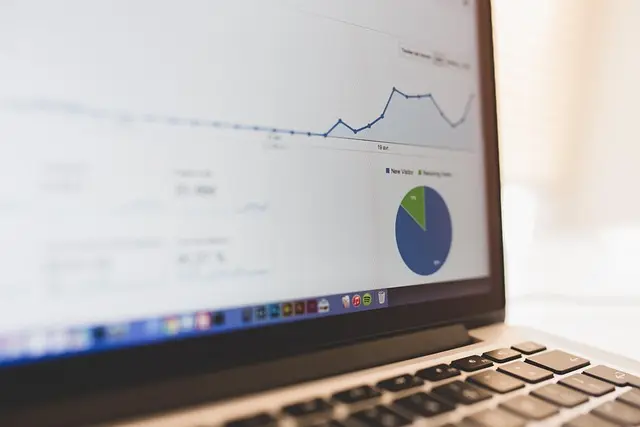
Once you've gathered data from these platforms, the next step is interpretation. Understanding how to read graphs and statistics is crucial. For example, if you notice a sudden drop in streams for a particular song, it might indicate that your audience is moving on to different styles or that your marketing campaign wasn't effective. Reverse engineering listener habits helps to create content that remains relevant.
Key Metrics to Track:
- Listener Growth: How many new listeners are you gaining over time?
- Engagement Rates: Are listeners interacting with your posts? Check comments, shares, and likes.
- Demographics: Age, gender, and location can tell you where your listener base exists.
Step 4: Formulating a Strategy
Knowing what your data tells you allows you to craft a solid marketing strategy. For instance, if data suggests that most of your listeners are aged 18-24 in urban areas, you can target marketing campaigns toward that demographic through platforms they engage with most, like TikTok or Instagram. It’s about creating content that resonates with your proven audience.
Common Strategies Include:
- Geo-targeted Ads: Ensure ads are targeted toward the areas where your music is popular.
- Content Creation: Create tailored content that speaks directly to your audience’s preferences based on demographic insights.
- Collaborations: Collaborating with similar artists can help tap into their audiences, expanding your reach.
Step 5: Monitoring and Adapting
Music analytics is not a one-and-done deal; it is a continuous process. Monitoring the data should occur regularly, ideally after every release or significant marketing campaign. This allows you to track which strategies worked and which didn’t.
Tips for Ongoing Monitoring:
- Set up periodic reports on data performance and literally ‘watch the trends’ to adapt quickly to changes in listener preferences.
- Regularly engage with your audience via social media to gather qualitative data alongside quantitative analytics.
- Stay updated with industry news, as the landscape frequently shifts, affecting listener habits.
Checklist Before Implementing Music Analytics
- [ ] Choose the right analytics tool.
- [ ] Regularly monitor listener growth and demographics.
- [ ] Create tailored content based on data insights.
- [ ] Adapt marketing strategies as needed based on ongoing analytics.
- [ ] Engage with your audience regularly to foster community.
Glossary
| Terme | Définition |
|---|---|
| Music Analytics | L’analyse des données relatives à la consommation musicale, y compris les tendances d'écoute et les interactions sur les réseaux sociaux. |
| Demographics | Les caractéristiques spécifiques d’une population, telles que l'âge, le sexe et la localisation. |
| Engagement Rate | Mesure de l'interaction d'une audience avec le contenu, souvent calculée par le nombre d'engagements par rapport au nombre total d’impressions. |
📺 Pour aller plus loin : Discover how to leverage music analytics for your career, a comprehensive analysis of the topic available on YouTube. Search for:
how to use music analytics to grow your career 2026.
Quiz rapide :
> Quel est l'un des avantages de comprendre les analytics musicaux?
> - A) Augmenter le nombre d'albums produits
> - B) Adaptation directe de la stratégie marketing
> - C) Élargir la portée à tous les genres musicaux
> Réponse : B — Le suivi analytique permet d'affiner et d'améliorer les efforts de marketing.
📺 Pour aller plus loin : how to use music analytics to grow your career 2026 sur YouTube
Recommended products
Selected by our experts

Sony WF-C700N Headset True Wireless Stereo (TWS) In-ear Calls/Music Bluetooth Green
Quzo UK


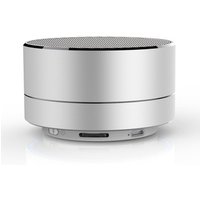
Music festival shenzhen OEM super bass led mini wireless portable bluetooth speaker
Alibaba UK