
Contents (16 sections)
Identifying your music niche is essential for any musician looking to make a mark in the industry. A niche is not just a genre but a unique space where your artistry can thrive. Understanding where you fit allows you to target your audience more effectively, enhances your marketing efforts, and ultimately leads to a more fulfilling musical career. This guide will provide a structured approach to help you discover your music niche through a series of actionable steps.
Step 1: Self-Reflection and Assessment
Understanding Your Influences
Before diving into the music industry, it's crucial to assess your influences, preferences, and strengths. Consider the following:
- Personal Experience: Reflect on the music that has shaped your journey. Which artists inspire you? This can help pinpoint aspects of these styles that resonate with you.
- Musical Training: Evaluate your skills and styles of play or singing. Are you trained in classical music, jazz, or rock? Identifying your origin will guide you in developing your niche.
- Musical Preferences: List your favorite genres and artists. This reflection can reveal patterns, showing you what excites and inspires you musically.
It's common for artists to stray from their authentic selves in pursuit of trends, yet the most successful musicians often return to their roots. Thus, understanding your core influences is foundational to your niche.
Step 2: Research and Market Analysis
Explore Existing Music Markets
Once you have reflected on your own artistry, it’s time to investigate the current music landscape. Research is key:
- Identify Gaps: Look for areas within your preferred genres that are underrepresented. Websites like Spotify and Billboard can provide insights into trending genres and gaps in the market.
- Audience Demographics: Who listens to the kind of music you aim to produce? Analysing demographics like age, location, and musical taste within platforms can also help refine your target audience.
- Competitor Analysis: Study musicians in similar genres. What are they doing well? What can you leverage from their success? Tools like Google Trends and Social Blade can help track music trends and competitor growth.
Understanding your market will empower you to navigate and articulate your niche accurately.

Hotselling OUKITEL C12 Pro, 2GB+16GB Face ID & Fingerprint Identification, 6.18 inch
Alibaba UK
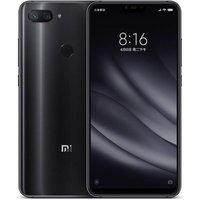
Xiaomi Mi 8 Lite, 4GB+64GB, Global Official Version Dual Cameras Fingerprint Identification 6.26 inch Mobile Phones(Grey)
Alibaba UK
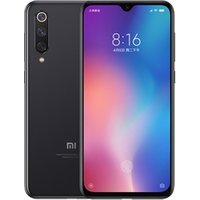
RTS original Xiaomi Mi 9 SE 6GB 64GB 128GB Screen Fingerprint Identification Face ID 48MP Triple Rear Cameras mi mobile phone
Alibaba UK
📺 For further exploration: 'Understanding Music Genres and Finding Your Place'
Search YouTube: finding your music niche.
Step 3: Experimentation with Style
Test Different Genres and Styles
Before settling on a niche, it’s essential to experiment within your musical styles. Trying out various genres can help pinpoint where your strengths and passions align:
- Collaboration: Collaborate with musicians from different genres. This can open up new avenues and draw influences that resonate with your identity.
- Perform Live: Testing your music in live settings can provide immediate feedback. Pay attention to audience reactions; which songs evoke the strongest responses? Sometimes, the live performance can dictate your direction.
For example, an artist may discover they have a knack for blending electronic elements into acoustic settings, shaping their unique sound.
Step 4: Define Your Unique Selling Proposition (USP)
Articulating Your Unique Identity
Every successful artist has a USP that distinguishes them:
- Define Your Message: What do you stand for within your music? Genuine messages often resonate more profoundly with audiences.
- Brand Image: Your branding should complement your music. Consider your visuals, stage presence, and online persona. What story do you want to tell?
- Consistent Themes: Consistently explore themes that align with your identity across your music. This coherence helps audiences recognise your work more immediately.
A well-defined USP allows you to stand out from the competition, enabling your fans to connect with you on a deeper level.
Step 5: Gathering Feedback and Iteration
Importance of Iterative Feedback
The final step involves seeking feedback and continuously refining your niche:
- Engage with Your Audience: Social media platforms are invaluable for obtaining feedback. Post snippets of your music and ask for reactions.
- Collaborate with Influencers: Work with industry figures who can provide constructive feedback and lend credibility to your profile.
- Iterate on Feedback: Use the feedback to adjust your sound or marketing strategy. The music industry is dynamic; being flexible is key to success.
Based on feedback, you may discover new dimensions to your niche, evolving as an artist. Remember, artists often shift and refine their sound — this is part of the creative journey.

Xiaomi POCO F1, 6GB+128GB Mobile Phones Global Version IR Face Unlock + Back Fingerprint Identification LiquidCool Technology
Alibaba UK

2020 Xiaomi Redmi 6A Global Official Version phone RAM 2GB ROM 16GB 5.45 inch MIUI 9.0 Face Identification MOBILE PHONES 4G
Alibaba UK

Ulefone Note 7 Mobile Phone, 1GB+16GB Triple Back Cameras Face Identification 6.1 inch Android 8.1 Network:3G(Gold)
Alibaba UK
Checklist for Identifying Your Music Niche
- [ ] Reflect on personal influences and training
- [ ] Conduct market research to identify gaps
- [ ] Experiment with different styles and genres
- [ ] Define your unique selling proposition (USP)
- [ ] Engage with your audience for feedback
Glossary
| Term | Definition |
|---|---|
| Niche | A specialised segment of the music market targeted by artists based on particular styles or themes. |
| Unique Selling Proposition (USP) | The unique feature or quality that makes an artist stand out from others in the industry. |
| Demographics | Characteristics of a specific population, including age, gender, location, and musical preferences. |
💡 Expert Opinion:
> “Understanding and owning your niche is critical for sustainable success in the music industry.” — Music Industry Expert.
🧠 Quick Quiz:
> What is the significance of identifying your music niche?
> - A) It helps to find an audience
> - B) It limits your creativity
> - C) It avoids collaborations
> Answer: A — Identifying your niche allows musicians to target their market effectively, enhancing their reach.
By diligently following these steps, artists can find their true voice within the vibrant tapestry of the music world. Embrace your unique sound, utilise these strategies, and carve your path in the industry!
For products that support your music career, check out our recommended selections below.
📺 Pour aller plus loin : finding your music niche sur YouTube
Recommended products
Selected by our experts

Original Huawei Honor 10 6GB 128GB Dual AI Rear Cameras Face Fingerprint Identification Infrared Remote 4g Mobile Phone
Alibaba UK

K-TOUCH I9, 3GB+32GB Face ID Identification, 3.5 inch MTK6739 Quad Core 2.4Ghz, Network: 4G, Dual SIM
Alibaba UK


ANYCUBIC PLA Filament 1.75mm, 3D Printer Filament, Intelligent Identification, Dimensional Accuracy +/- 0.02mm, 3 Pack 1KG Reusable Spool, Black*3 3kg
Amazon Sellers Programme (UK)
ANYCUBIC PLA Filament 1.75mm, 3D Printer Filament, Intelligent Identification, Dimensional Accuracy +/- 0.02mm, 2 Pack 1KG Reusable Spool, Gray+Gray 2
Amazon Sellers Programme (UK)
ANYCUBIC PLA Filament 1.75mm, 3D Printer Filament, Intelligent Identification, Dimensional Accuracy +/- 0.02mm, 2 Pack 1KG Reusable Spool, Black+Textu
Amazon Sellers Programme (UK)