Contents (14 sections)
As the music industry continues to evolve, emerging music producers must equip themselves with the right skills and knowledge to thrive. Whether you're just starting or looking to enhance your existing abilities, the right advice can greatly impact your journey. This article explores 10 essential tips for emerging music producers to help you refine your craft and navigate the complex landscape of music production effectively.
1. Understand Your Tools
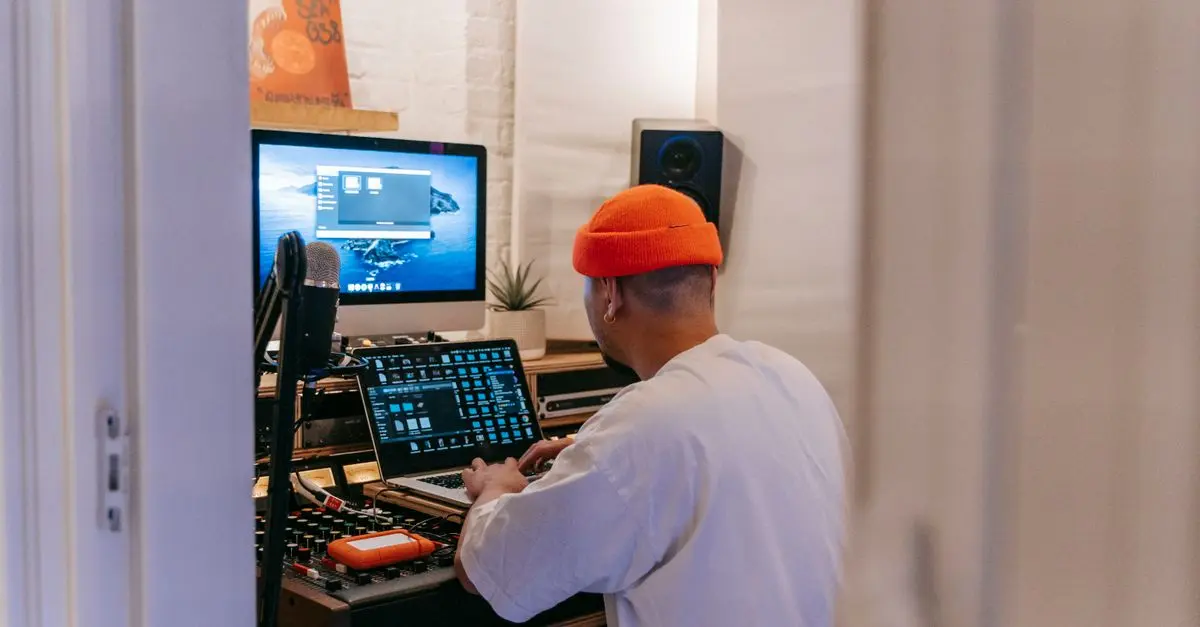
To be a successful music producer, it's imperative to familiarise yourself with the tools of the trade. This includes digital audio workstations (DAWs), audio interfaces, microphones, and various plugins. For instance, Ableton Live and Logic Pro X are two widely used DAWs that offer unique features for different production styles. Learning the ins and outs of these tools can drastically improve your workflow and creativity. Also, consider investing time in understanding music theory to enhance your technical production skills. Notably, music theory helps in arranging and composing intricate pieces that resonate with listeners.
2. Develop a Unique Sound
In a saturated market, having a distinctive sound is crucial. Experiment with various genres and techniques to discover what resonates with you. Artists like Billie Eilish and Dua Lipa have carved out their own niches by blending different musical styles and production techniques. Listening to a wide range of music can provide inspiration and help you identify elements you would like to incorporate into your work. Developing a unique sound is about finding your voice in the music landscape, which often requires a mix of creativity and technical skill.
3. Collaborate with Other Artists
Collaboration is a significant aspect of the music industry. Working with other producers, musicians, and vocalists can lead to creative breakthroughs and innovative ideas. For example, Dr. Dre is renowned for collaborating with various artists to enhance his productions. Look for opportunities to network within the industry, attend local music events, or engage in online forums. By collaborating, you can learn from others while simultaneously showcasing your talents. Not only does this expand your skill set, but it can also lead to valuable connections that can elevate your career.
4. Stay Updated with Industry Trends
The music industry is constantly evolving, with new trends emerging regularly. Keeping up with these trends can give you a competitive edge. Follow industry blogs, subscribe to music production channels on platforms like YouTube, and attend online workshops or webinars. Resources like Digital Music News or Billboard can provide valuable insights. Being aware of the latest production techniques, genres that are gaining popularity, and technological advancements will allow you to tailor your productions to market demands effectively. This can lead to better opportunities and effectively enhance your reputation as a music producer.
5. Invest in the Right Equipment
Quality equipment can significantly impact your production quality. While it's possible to produce music with minimal gear, investing in key pieces of equipment can elevate your work. High-quality monitors, microphones, and headphones will ensure that your mixes are accurate and professional. For example, brands like KRK and Yamaha offer excellent studio monitors suitable for producers on various budgets. Research gear reviews and consider purchasing second-hand equipment to save costs. As you grow, ensure your setup evolves along with your skill set and production needs.
6. Learn Mixing and Mastering Techniques
Mixing and mastering are critical skills every music producer should develop. A well-mixed track can mean the difference between a song that resonates and one that falls flat. Online courses and tutorials can provide insights into the mixing process, teaching you how to balance levels, EQ tracks, and use compression effectively. Understand the basics of mastering too; this includes preparing your track for distribution and ensuring it meets industry standards. A well-mastered track will sound polished and professional on all platforms, which is essential for success.
7. Create a Professional Portfolio
Building a professional portfolio is crucial for showcasing your work. Consider creating a website or an online profile where potential clients and collaborators can hear your music. Include snippets of your best tracks, testimonials from collaborators, and any notable projects you’ve worked on. Platforms like SoundCloud and BandCamp also provide excellent spaces to showcase your music and connect with other professionals. A compelling portfolio can attract clients and opportunities, helping you establish yourself in the music industry.
8. Market Yourself Effectively
In today's world, self-promotion is essential for any emerging music producer. Utilise social media to showcase your work, engage with followers, and provide insights into your creative process. Platforms like Instagram and TikTok are particularly effective for music producers. Regular updates, behind-the-scenes content, and engaging stories can help you build a loyal audience. Additionally, consider networking with industry professionals at events or online. Building your brand in this way can lead to collaborative opportunities and foster audience growth.
9. Seek Feedback and Critique
Constructive criticism is invaluable for growth. Share your music with trusted friends, fellow producers, or mentors, and ask for their honest feedback. Consider joining local or online producing communities to exchange critiques and inspire each other. Receiving diverse perspectives can help you identify strengths and areas for improvement in your productions. This constructive process allows for deeper learning and ultimately creates higher quality music.
10. Keep Practising
Finally, continual practice is vital in honing your skills. Set aside time each day or week to experiment, create new tracks, and work on your craft. The more you produce, the more you will learn about your style, the techniques that work for you, and your creative process. Don't hesitate to challenge yourself by trying different genres, collaborating with a new artist, or using unfamiliar software. Consistent practice ensures you are always advancing in your craft and contributing to the ever-evolving music landscape.
📺 Resource Video
> 📺 For further insights: Music Production Essentials, a comprehensive overview of the tools and techniques necessary for emerging producers. Search on YouTube: "music production basics".
Glossary
| Terme | Définition |
|---|---|
| DAW | Digital Audio Workstation; software used for recording and producing music. |
| Mixing | The process of combining multiple audio tracks into one final track. |
| Mastering | The final step in music production, optimising a track for various playback systems. |
Checklist before diving into music production
- [ ] Understand your DAW and tools
- [ ] Identify your unique sound
- [ ] Collaborate with other artists
- [ ] Stay updated on music industry trends
- [ ] Invest in quality production equipment
- [ ] Learn mixing and mastering skills
- [ ] Build a professional portfolio
- [ ] Market yourself effectively
- [ ] Seek feedback on your work
- [ ] Dedicate time to practice and improve
🧠 Quick Quiz: What is the most important skill for a music producer?
- A) Mixing
- B) Networking
- C) Self-promotion
Answer: B — While all are important, networking leads to collaboration and opportunities that are vital in the industry.
📺 Pour aller plus loin : music production basics 2026 sur YouTube