Contents (11 sections)
The landscape of music genres continues to evolve, reflecting cultural shifts, technological advancements, and changes in listener preferences. As we navigate through 2026, several key trends are becoming apparent, each presenting unique opportunities and challenges for musicians and industry professionals alike.
1. The Rise of Genre Blending
One significant trend in the future of music genres is the increasing popularity of genre blending. This phenomenon sees artists merging different styles to create innovative sounds. Genres that were once distinct are now combining in fascinating ways, making it increasingly difficult to categorise music into traditional boxes. For instance, the fusion of pop, hip-hop, and electronic sounds has been prevalent, with artists like Billie Eilish and Lil Nas X leading the way.
Why is this important? Blending genres not only allows artists to express themselves more freely but also expands their audience reach. According to a report from IFPI, over 60% of listeners globally enjoy music that combines multiple genres. This trend presents a unique opportunity for musicians to experiment with their sound and attract diverse fans.
2. The Impact of Artificial Intelligence
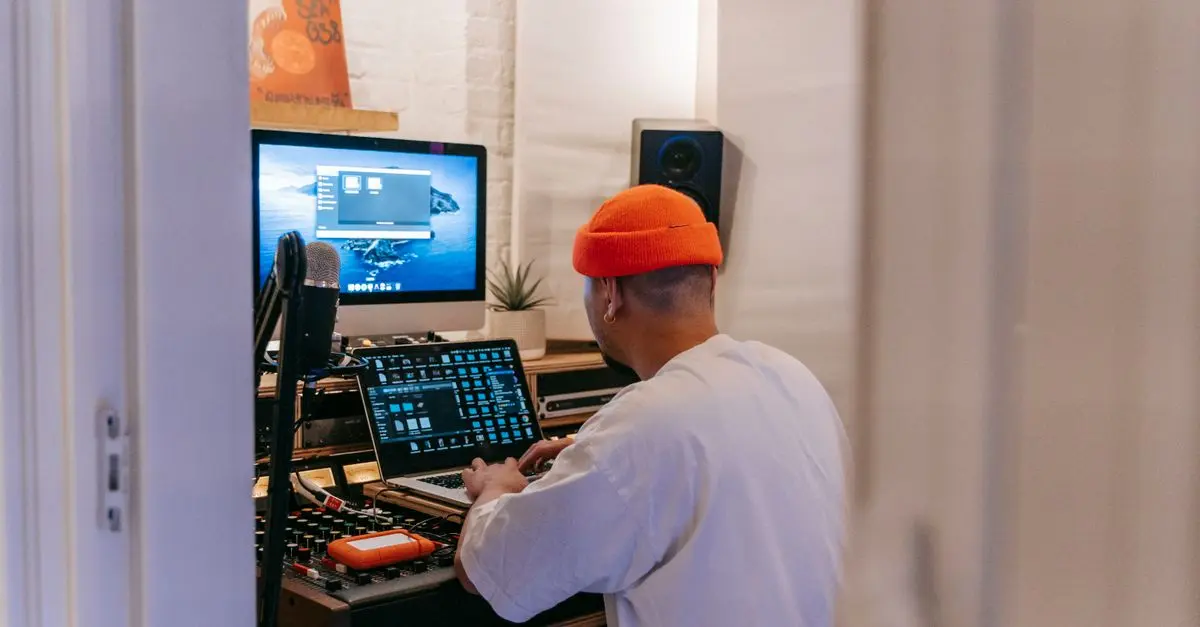
AI's role in the music industry is expected to magnify, with composers and producers leveraging AI tools to create, mix, and master tracks. AI-driven platforms can analyse vast amounts of data to predict what sounds will become popular, allowing artists to craft music that resonates with audiences before it's even released. For example, OpenAI’s MuseNet has shown the ability to generate melodies that sound remarkably human.
While some artists welcome AI as a collaborator, others believe it could diminish the creative essence of music. In a survey conducted by Deloitte, 45% of musicians expressed concern that AI tools might lead to homogenised music. Nevertheless, embracing AI could allow independent artists to produce high-quality music on a budget.
3. Virtual Concerts and Digital Experiences
The trend of hosting virtual concerts gained momentum during the pandemic, and it's set to continue growing in 2026. With advancements in virtual reality (VR) and augmented reality (AR), we can expect more immersive live experiences. Platforms like Roblox and Fortnite are setting the stage for concerts where fans can engage with their favourite artists in new and interactive ways.
According to Statista, virtual events could generate up to £6 billion in revenue by 2027. Musicians should consider incorporating VR elements into their performances, providing fans an unparalleled experience while breaking down geographical barriers.
4. Sustainability in Music Production
Sustainability is becoming a crucial focus across industries, and music is no exception. Artists and producers are increasingly recognising the carbon footprint associated with touring, recording, and merchandise production. In response, some are opting for eco-friendly practices, such as using sustainable materials for merchandise or planning tours with a lower environmental impact.
A report from Music UK notes that 72% of UK musicians believe that adopting sustainable practices is essential for the future of the industry. This cultural shift towards sustainability allows artists to connect with environmentally-conscious audiences, enhancing their brand and appeal.
5. The Emergence of Independent Artists
The traditional music industry model is changing, with more artists choosing to go independent. With digital platforms like SoundCloud, Bandcamp, and Spotify, musicians can produce, distribute, and promote their music without the constraints of a record label. This flexibility allows artists to have more artistic control and keep a larger share of their earnings.
In 2026, it's predicted that independent artists will make up over 30% of the total music market share, according to MIDiA Research. Artists should embrace this trend by leveraging social media and crowdfunding for promotions and collaborations with other independent musicians.
Table of Comparisons
| Trend | Description | Potential Benefits | Challenges |
|---|---|---|---|
| Genre Blending | Merging multiple music styles to create innovative sounds | Greater audience reach | Risk of alienating traditional fans |
| AI in Music Production | Utilising AI for creation and analysis of music | Cost-effective production | Creativity concerns with homogenisation |
| Virtual Concerts | Hosting immersive experiences through VR and AR | Increased accessibility to global audiences | Technical barriers for some fans |
| Sustainability Initiatives | Adopting eco-friendly practices in production and touring | Appeal to environmentally-conscious fans | Potential increased costs for sustainable materials |
| Independent Music Scene | Growth of musicians choosing to self-publish and promote their music | Artistic control and higher profit margins | Increased competition and need for self-marketing knowledge |
As the music industry progresses, these trends will shape the way artists create, distribute, and perform their music. Understanding these shifts will be crucial for musicians looking to thrive in this evolving landscape.
FAQs
What is genre blending in music?
Genre blending is the practice of merging multiple music styles to create new, innovative sounds, leading to broader audience engagement.
How is AI influencing the music industry?
AI is utilised in music production to analyse trends, generate melodies, and streamline the mixing and mastering processes, impacting the creative workflow of artists.
What role do virtual concerts play in music today?
Virtual concerts provide immersive experiences accessible to a global audience, allowing artists to perform for fans without geographical constraints.
Why should musicians care about sustainability?
Sustainability in the music industry helps build a strong consumer connection, particularly among environmentally-conscious audiences, enhancing the artist's reputation.
Glossary
| Term | Definition |
|---|---|
| Genre Blending | The combination of various music styles to create new sounds and expand artistic expression. |
| AI in Music | The use of artificial intelligence tools for music creation, production, and analysis. |
| Sustainability in Music | Practices aimed at reducing the environmental impact associated with music production and touring. |
Checklist Before Adopting Trends
- [ ] Research current genre blending examples.
- [ ] Explore AI tools for music production.
- [ ] Consider the benefits of virtual concert platforms.
- [ ] Investigate sustainable practices in the industry.
- [ ] Evaluate the potential of becoming an independent artist.
📺 Resource Video
> 📺 For a deeper understanding: Exploring the Future of Music Genres, an analysis of the evolving music landscape. Search on YouTube: future of music genres 2026
In conclusion, the future of music genres is bright and filled with possibilities. As a musician, staying informed about these trends will empower you to navigate the evolving landscape successfully. For those looking to make a mark in music, now is the time to innovate, explore, and connect.
Discover our recommendations below to support you on your musical journey.
📺 Pour aller plus loin : future of music genres 2026 sur YouTube
Recommended products
Selected by our experts

Jada Toys Back to The Future Part II 1:32 Time Machine Die-cast Car, Toys for Ki
onbuy.com


x8s tws 5.0 Future mini wireless bluetooth earphone 18H Playtime Stereo Sound with charging bin sport headphones Earbuds
Alibaba UK


Beauty of Joseon Revive Serum with Ginseng Root & Snail Mucin for Dry, Sensitive or Oily Skin - 30ml - Face the Future
facethefuture.co.uk