Contents (13 sections)
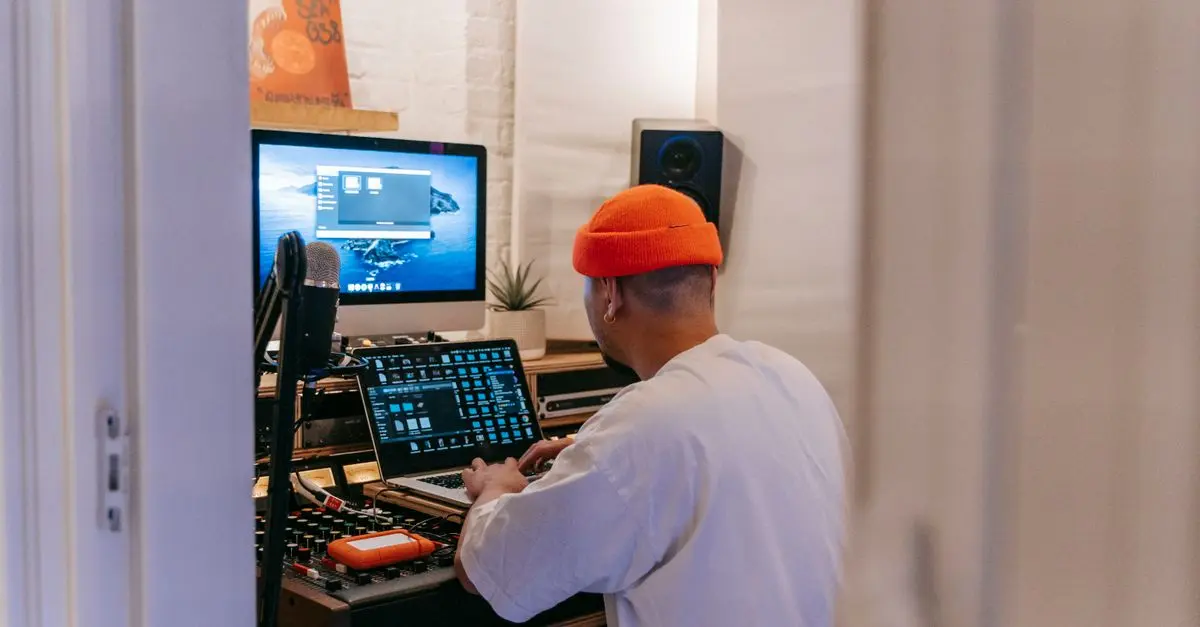
Creating music is as much about artistry as it is about technique. For aspiring artists, mastering essential music production techniques is crucial to developing a sound that resonates with audiences. This article will explore vital techniques that can elevate your productions and provide you with the tools needed to succeed in the music industry.
1. Understanding Sound Design
Understanding sound design is foundational for any producer. At its core, sound design involves creating and shaping audio elements to fit your musical vision. From synthesizers to samples, sound design enables you to sculpt your unique sound. It’s not just about layering sounds; it’s about manipulating them through filters, effects, and modulation to create something distinctive. Educating yourself on audio synthesis, including subtractive and additive synthesis, can greatly expand your sonic palette. For example, many popular genres utilise specific sounds—such as the deep bass of dubstep or the crisp leads in trance—demonstrating how sound design plays a pivotal role in genre identity.
2. The Importance of Mixing Techniques
Once you have your tracks recorded, mixing is where the magic often happens. Effective mixing techniques are essential in ensuring each element of your track is heard clearly and complements the others. Techniques such as EQ (equalization) allow you to carve out space for instruments, whereas compression helps control dynamics and ensures a balanced output level. A good mix often features the use of panning and reverb to create a sense of space and depth in your music. According to studies, well-mixed tracks generally receive higher acclaim and airplay, underlining its significance in producing professional-quality music.

Sennheiser MKH 418-S Shotgun Microphone- Video~~Video Editing Hardware & Production Equipment
parkcameras.com


3. Mastering Your Tracks
Mastering is the final step in the production process, refining your mixed tracks into polished, ready-to-release pieces. This process involves adjusting levels, equalizing frequencies, and ensuring consistency across tracks on an album. Mastering not only enhances the sound but also prepares it for various playback systems, maintaining its quality whether it's played on a phone speaker or a high-end audio system. Many successful artists recommend investing time to learn mastering techniques to elevate tracks significantly, as a well-mastered track can greatly impact its reception.
4. Recording Techniques for Quality Sound
Quality recording techniques are integral to any music production. To capture the best sound, consider aspects such as microphone placement, room acoustics, and the choice of recording equipment. Techniques like close-miking can give more detail to vocals or solo instruments, while ambient miking might be ideal for capturing the essence of a full band. Each recording session can vary, so adapting your technique based on the environment and the instruments involved can produce superior results. Engaging with community forums can provide feedback and tips on improving your recording setup.
5. Creative Use of Samples
Samples are an incredibly versatile tool in music production. As a budding artist, learning how to use samples creatively can open up a world of possibilities. From manipulating existing sounds to creating your own loops, samples can define your tracks’ character. Using sample packs or field recordings allows you to incorporate unique audio elements into your productions, making your music stand out. Statistics show that over 60% of producers use samples to enhance creativity, indicating their role in modern music production.
6. Arranging Your Tracks
The arrangement of your track is crucial in conveying your artistic vision effectively. Understanding structure—verse, chorus, bridge, and breakdown—enables you to create songs that captivate listeners. Arranging involves deciding where each element fits within the track, how it transitions from one section to another, and determining the overall flow of your music. Using arrangement templates can assist in developing your initial ideas. Successful compositions typically follow a familiar song structure that keeps listeners engaged from start to finish.



7. Collaborating with Other Musicians
Collaboration can bring a fresh perspective and new creative ideas into your music. Working with other musicians allows you to learn and improve your skills, as you can observe different production techniques in action. Whether it’s co-writing a song, sharing production roles, or simply getting feedback on your work, collaboration has proven to enrich many artists’ careers. According to a survey, 75% of musicians reported that collaboration significantly improved their music quality.
8. Utilising Music Production Software Efficiently
Familiarity with music production software (DAWs) is essential for any aspiring artist. Popular platforms offer extensive features that can elevate your music through MIDI manipulation, audio recording, and sound effects. Take the time to learn shortcuts and functions specific to your DAW of choice, as efficiency can significantly impact your workflow. Many successful producers have discovered that mastering software functionalities can drastically reduce production time and enhance workflow creativity.
📺 Resource Video
> 📺 For further learning: Check out video tutorials on mixing techniques to gain insight into the art of mixing. Search YouTube for: "music mixing techniques for beginners".
Checklist before you begin
- [ ] Define your sound design style.
- [ ] Experiment with mixing techniques.
- [ ] Focus on mastering techniques.
- [ ] Improve recording methods.
- [ ] Explore creative sample usage.
- [ ] Plan your track arrangement.
- [ ] Seek collaboration opportunities.
- [ ] Familiarise yourself with your DAW.
Glossary
| Terme | Définition |
|---|---|
| Sound Design | Le processus de création et de manipulation de sons uniques. |
| Mixage | L'art d'équilibrer les niveaux sonores d'une piste. |
| Mastering | La phase finale qui prépare une piste pour le jeu. |
Conclusion
Mastering these music production techniques will empower you to craft tracks that are not only professional but also uniquely yours. Dive into each aspect detailed above, experiment, and refine your skills over time. Remember, the journey of music production is ongoing, and the more you practice, the better you will become.
Discover our recommendations below to support your journey in music production!
📺 Pour aller plus loin : music mixing techniques for beginners sur YouTube
Recommended products
Selected by our experts

Wired Production KARMA: The Dark World - Limited Edition (PS5)
thegamecollection.net
Sennheiser MKH 418-S Shotgun Microphone- Video~~Video Editing Hardware & Production Equipment
parkcameras.com