Contents (14 sections)
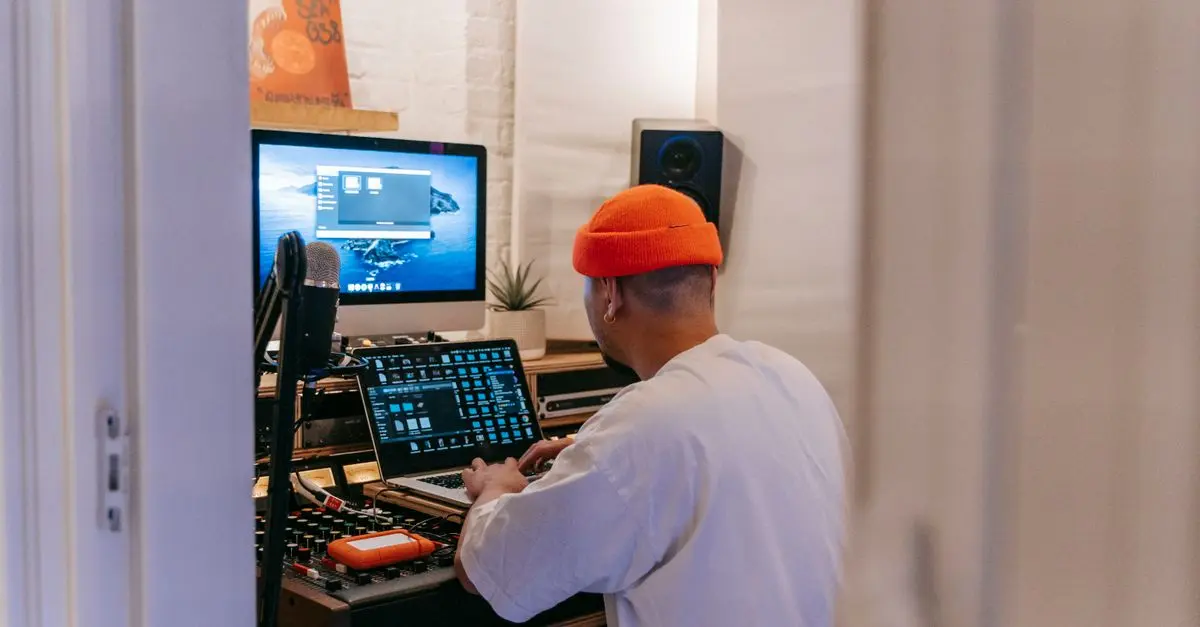
Collaboration in music is an art form that has propelled the careers of countless artists and bands. Music collaboration allows for diverse ideas to merge, leading to innovative sounds and rewarding partnerships. In this article, we explore 10 essential tips for successful music collaborations that can help you maximise your creative potential and achieve outstanding results.
1. Set Clear Objectives
One of the foundational music collaboration tips is to establish clear objectives from the outset. This means discussing and agreeing on the project's goals, whether it’s to create an album, a single, or a live performance. Artists working together must know what they hope to achieve individually and collectively. According to a survey by Spotify, collaboration leads to higher engagement rates when artists share a unified vision, thus helping to streamline decision-making and keep the project on track.
2. Embrace Open Communication
Effective communication is paramount in any collaborative effort. Establish a culture of openness where all parties feel comfortable expressing their ideas, suggestions, and feedback. Regular check-ins can help ensure everyone remains on the same page. Misunderstandings in music collaborations can lead to conflicts, potentially derailing the project. Tools like Trello or Slack can facilitate this, keeping everyone connected and engaged.

Viewsonic IFP7534 interactive whiteboard 190.5 cm (75") 3840 x 2160 pixels Touchscreen Black
Back to the Office

MUSICOZY Sleep Mask Headphones,Wireless Sleep Headphones Eye Mask with Bluetooth Headphon
onbuy.com

Seiko Mens Limited Edition 5 Sports X HUF II Collaboration Green Bracelet Watch SRPM09K1
houseofwatches.co.uk
3. Define Roles and Responsibilities
Clearly outlining roles within the collaborative group is crucial. Whether it's songwriting, production, or marketing, specifying who does what eliminates confusion and sets expectations. It allows everyone to focus on their strengths while contributing to the overall goal. For instance, if you know you’re the main songwriter while another collaborator is an excellent producer, you can effectively leverage each other's strengths for the best outcomes.
4. Foster a Creative Environment
Creating an encouraging and inspiring atmosphere significantly influences the creative process. This could mean working in a comfortable studio that reflects the music style you are working on or simply ensuring that everyone feels welcome to share ideas. Consider incorporating elements like mood boards or playlists that resonate with the project themes to stimulate creativity and collaboration. Research indicates that environments designed for creativity can improve output by up to 30%, making this a vital tip for successful collaboration.
5. Be Open to Feedback
Constructive criticism is essential for growth and improvement. Encourage feedback from your collaborators and be willing to receive it without taking it personally. Also, provide feedback in a respectful and constructive manner. A study by Berklee College of Music suggests that collaborations that embrace honest critique often result in superior musical quality when artists are willing to adapt and refine their ideas collaboratively.
6. Use Technology to Your Advantage
In today's digital age, technology plays a crucial role in music collaboration, especially for those who may not be in the same location. Tools like Ableton Live, Logic Pro, or even Cloud-based DAWs enable real-time collaboration, allowing you to share your work seamlessly. Plus, platforms such as Soundtrap allow for collaborative projects online. Embracing technology not only enhances collaboration but also streamlines the process, making it easier for everyone involved.

Viewsonic IFP7534 interactive whiteboard 190.5 cm (75") 3840 x 2160 pixels Touchscreen Black
Quzo UK

Viewsonic IFP6534 Display interactive whiteboard 165.1 cm (65") 3840 x 2160 pixels Touchscreen Black
Quzo UK

Sleep Headphones Bluetooth Eye Mask,Musicozy Sleep Mask Headphones with 14 Hrs P
onbuy.com
7. Respect Each Other’s Time
Time management is vital in any collaborative endeavour. Recognise that each collaborator may have their own schedule and commitments, so accommodating each other's availability is essential. Set deadlines for respective contributions and respect those timelines. This demonstrates professionalism and helps maintain momentum throughout the project. Effective time management can lead to more successful collaborations, according to music industry reports, which show that projects that adhere to timelines often yield better results.
8. Build Trust Among Collaborators
Trust is the foundation of any fruitful partnership. Spend time getting to know your collaborators on a personal level, which can help foster mutual respect and openness. Trust allows for vulnerability in sharing creative ideas and can lead to more authentic music-making. A study from The Harvard Business Review indicates that trust within teams enhances creativity, resulting in innovative outcomes.
9. Celebrate Milestones
Recognising and celebrating milestones throughout the collaboration helps boost morale and strengthen relationships. Whether it’s finishing a song, laying down tracks, or receiving positive feedback, take time to acknowledge these achievements together. This creates a sense of accomplishment and can re-energise the group for future work.
10. Stay Flexible
Finally, be prepared to adapt and be flexible throughout the collaboration process. Revisions and changes are natural during music creation, and being rigid can stifle creativity. Embrace new ideas and directions that may arise, even if they deviate from the original plan. Flexibility can often lead to unexpected and exciting outcomes that enhance the final product.
Conclusion
In conclusion, successful music collaboration requires intentionality, open communication, and an understanding of each member's strengths and goals. By following these tips, you can foster a collaborative spirit that encourages creativity and nurtures innovative music-making.
Checklist before collaboration
- [ ] Set clear objectives
- [ ] Establish open communication
- [ ] Define roles and responsibilities
- [ ] Foster a creative environment
- [ ] Be open to feedback
- [ ] Use technology effectively
- [ ] Respect each other's time
- [ ] Build trust among collaborators
- [ ] Celebrate milestones
- [ ] Stay flexible
Glossary
| Term | Definition |
|---|---|
| Collaboration | The act of working together with others to produce or create. |
| Feedback | Comments or suggestions provided to improve a project or work. |
| Creativity | The ability to generate new ideas or concepts. |
---
> 📺 For further insights: Check out videos related to music collaboration strategies for 2026 on YouTube by searching for "music collaboration tips 2026."
🧠 Quick Quiz: What is the most important part of music collaboration?
- A) Clear Objectives
- B) Technology
- C) Timing
Answer: A — Clear objectives set the foundation for successful collaboration.
📺 Pour aller plus loin : music collaboration tips 2026 sur YouTube
Recommended products
Selected by our experts

Viewsonic IFP8634 interactive whiteboard 2.18 m (86") 3840 x 2160 pixels Touchscreen Black
Quzo UK