Contents (10 sections)
In an ever-evolving music industry, aspiring artists must equip themselves with essential skills to stand out. Whether you're a novice or have some experience, understanding the core principles of music production is vital. This article explores five key music production tips that can significantly enhance your creative output and help you make your mark.
1. Understand the Basics of Sound Design
To produce captivating music, mastering the fundamentals of sound design is crucial. This involves learning how to manipulate audio signals using various techniques such as synthesis, sampling, and processing. Sound design is essentially about creating unique sounds that define your music. For instance, a subtle change in a synthesiser's waveform can produce drastically different results. Many successful producers invest time in exploring different virtual instruments and plugins to discover their unique sounds, reflecting their artistry. Remember, your sound palette is your identity; the more diverse it is, the more colourful your productions will be.
2. Keep Your Workflow Organised
A disorganised workspace can severely hinder your productivity and creativity. As you learn music production, develop a workflow that suits your style but remains orderly. Start by creating templates for your projects that include your frequently used tracks, effects, and settings. This way, you can quickly lay down ideas without wasting time setting everything up each time. Additionally, label your tracks and files clearly and create a well-structured folder hierarchy. This practice not only boosts efficiency but also saves time, allowing more room for creativity. According to industry studies, organised workflows can reduce project completion times by as much as 20%.


Nothing Ear (3) Headset Wireless In-ear Calls/Music USB Type-C Bluetooth Black
Back to the Office

ASUS TUF Gaming A15 FA507NUR-LP012W AMD Ryzen™ 7 7435HS Laptop 39.6 cm (15.6") Full HD 16 GB DDR5-SDRAM 512 GB SSD NVIDIA GeForce RTX 4050 Wi-Fi 6
Back to the Office
3. Experiment with Different Genres
Dabbling in various music genres is an excellent way to expand your skillset. Working on different styles can offer insights into arrangement techniques, instrumentation, and song structures that you might not encounter within your preferred genre. For example, if you usually produce electronic music, try experimenting with a classical composition or jazz elements. This not only broadens your creative horizons but also enhances your adaptability within the music production landscape. Remember, every genre has valuable lessons to offer; use them to enhance your distinct sound.
4. Invest in Quality Equipment
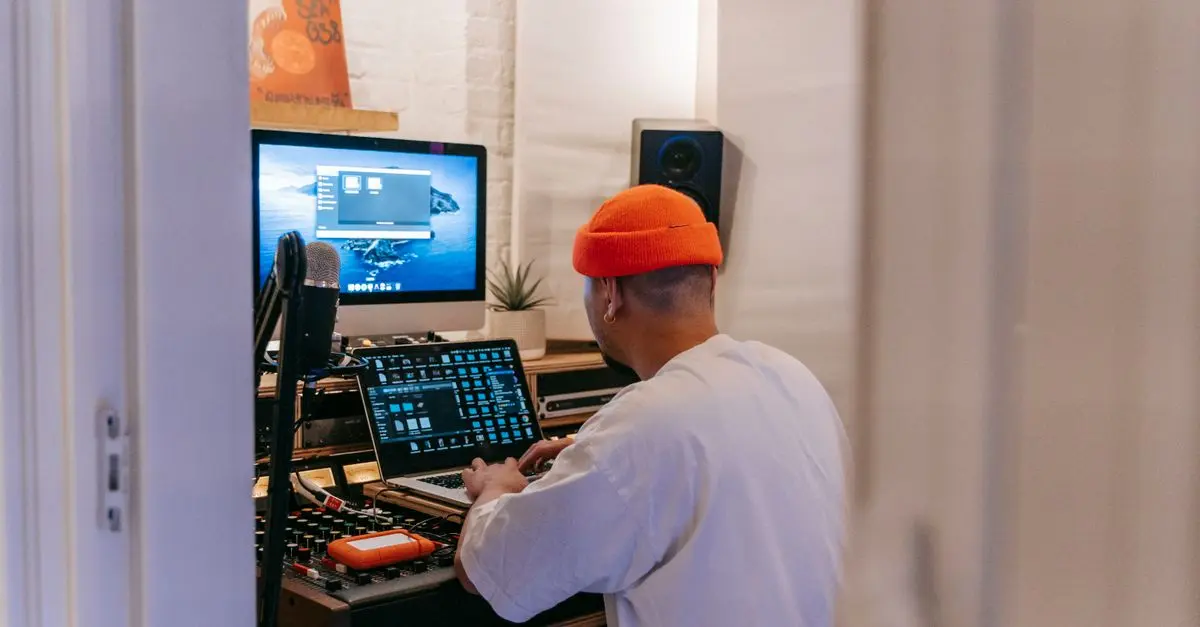
While it's possible to produce quality music on a budget, investing in reliable equipment is essential as you grow. At the very least, a decent pair of headphones and a functional microphone can make a tremendous difference in your production quality. Equipment plays a vital role in delivering a polished sound, allowing you to better capture your creativity. For example, high-quality monitors and audio interfaces are essential for achieving accurate mixes. Aspiring artists often overlook this, yet even the most creative ideas can fall flat without the right tools. Thus, carefully consider your investments; it pays to use the right equipment that will deliver production results that you can take pride in.
5. Leverage Community Feedback
Building connections with other musicians or producers can provide invaluable insights into your work. By sharing your tracks within a community, you can receive constructive criticism that helps you refine your production skills. Platforms such as online forums, social media groups, and local music meetups serve as perfect backdrops for networking with like-minded individuals. When navigating feedback, look for common themes, as these can highlight areas for improvement. A study from the Music Producers Guild shows that artists who actively seek feedback improve their craft significantly faster than those who work in isolation. Embrace the collaboration process; creativity thrives in community.
📺 For further exploration:
Watch videos that dive deeper into music production techniques and the latest trends in sound design on YouTube. Search for "music production tips 2026" for insightful content.


Viewsonic IFP7534 interactive whiteboard 190.5 cm (75") 3840 x 2160 pixels Touchscreen Black
Back to the Office

Nothing Ear (3) Headset Wireless In-ear Calls/Music USB Type-C Bluetooth White
Back to the Office
Glossaire
| Terme | Définition |
|---|---|
| Sound Design | Process of creating and manipulating audio elements to produce unique sounds. |
| Workflow | The sequence of processes through which a piece of work passes from initiation to completion. |
| Audio Interface | Hardware that connects microphones and instruments to a computer for recording and playback. |
Checklist Before You Start
- [ ] Understand the basics of sound design
- [ ] Create an organised workflow
- [ ] Experiment with different genres
- [ ] Invest in quality equipment
- [ ] Connect with other artists for feedback
Conclusion
Enhancing your music production skills requires dedication, creativity, and a willingness to learn. By following the tips outlined, you will be well on your way to producing high-quality, memorable tracks that resonate with listeners. Don’t forget to explore our recommended products to help elevate your production journey!
📺 Pour aller plus loin : music production tips 2026 sur YouTube
Recommended products
Selected by our experts

ALOGIC Edge computer monitor 86.4 cm (34") 3440 x 1440 pixels UltraWide Quad HD Grey
Back to the Office

ALOGIC Edge computer monitor 86.4 cm (34") 3440 x 1440 pixels UltraWide Quad HD Silver
Back to the Office


ASUS TUF Gaming A15 FA507UV-LP010W AMD Ryzen™ 9 8945H Laptop 39.6 cm (15.6") Full HD 16 GB DDR5-SDRAM 1 TB SSD NVIDIA GeForce RTX 4060 Wi-Fi 6
Back to the Office

ASUS TUF Gaming A15 FA507NV-LP025W AMD Ryzen™ 5 7535HS Laptop 39.6 cm (15.6") Full HD 16 GB DDR5-SDRAM 512 GB SSD NVIDIA GeForce RTX 4060 Wi-Fi 6
Back to the Office