Contents (18 sections)
Starting your musical journey can be both exciting and overwhelming. With so many instrument options available, it’s essential to select one that suits your interests and abilities as a beginner. This guide aims to provide you with insights into the best beginner instruments, enabling you to make an informed decision.
1. The Ukulele: A Friendly Introduction to String Instruments
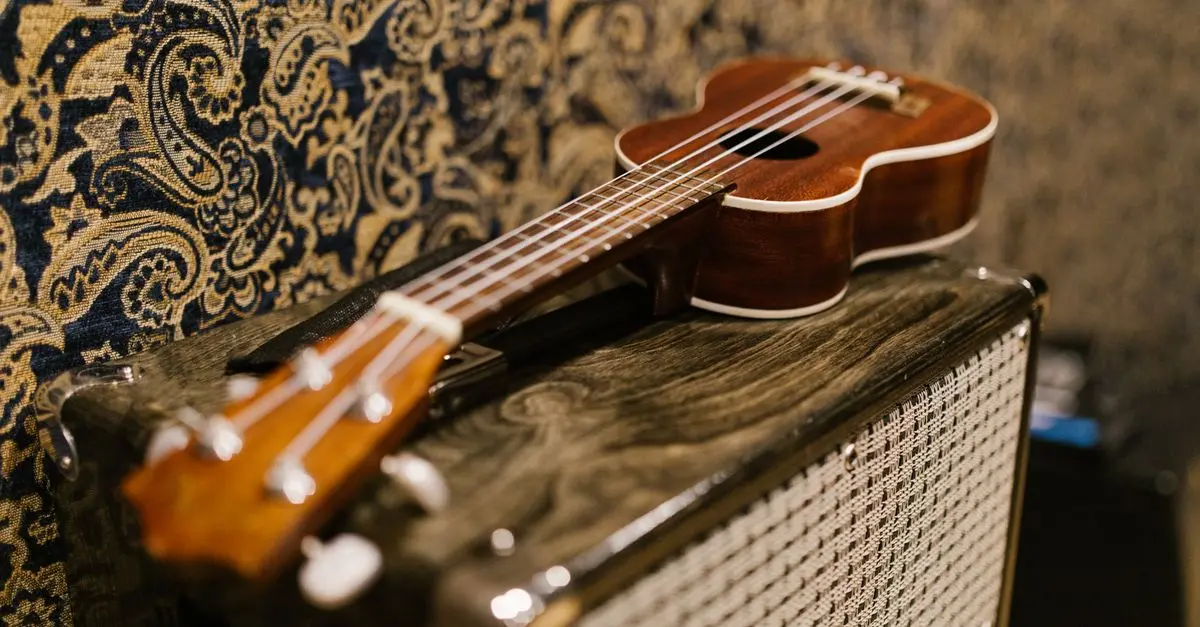
The ukulele has surged in popularity among beginners due to its approachable size and soothing sound. With only four nylon strings, it is easier to play than other string instruments like the guitar. Learning basic chords and strumming patterns can generally be achieved in just a few lessons. Many beginners find joy in strumming along with their favourite songs, making the ukulele not just a learning tool but also a source of immediate enjoyment. The ukulele's lightweight nature also means that it’s highly portable, making it an ideal companion for travel or group gatherings.
2. The Keyboard: Versatility at Your Fingertips
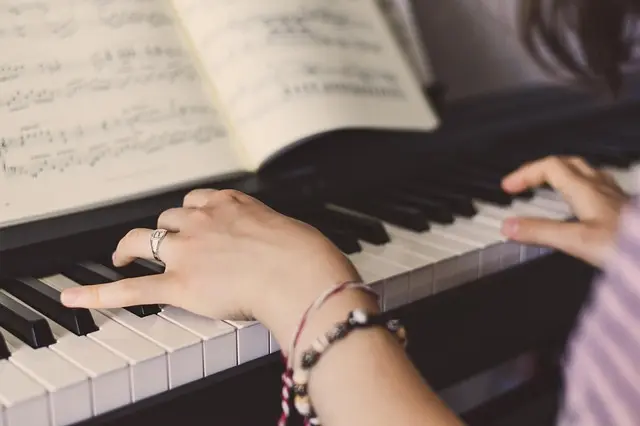
A keyboard is another excellent choice for beginner musicians. With its wide range, from simple melodies to complex compositions, the keyboard can accommodate various music styles. Most keyboards come with built-in learning features and light-up keys that guide users in learning to play their favourite songs. Moreover, keyboards can connect to computers and music software, providing endless opportunities for musical exploration. For beginners, a basic 61-key keyboard is sufficient, offering a good balance between size and functionality.
3. The Recorder: An Easy Wind Instrument
The recorder is often a student’s first introduction to wind instruments, preferred for its simplicity and affordability. With a straightforward fingering system and no need for advanced embouchure techniques, the recorder is perfect for children and adults alike. Many schools use the recorder as an introductory instrument, allowing students to learn basic music theory and sound production before progressing to more challenging wind instruments like the flute or clarinet. Additionally, the recorder is light and portable, making it easy to take to lessons or practice sessions.
4. The Acoustic Guitar: A Timeless Favourite
The acoustic guitar is one of the most popular instruments for beginners seeking to learn chord-based music. Although it may require a bit more finger strength than other instruments, many find the guitar's versatility and rich sound worth the effort. With countless online tutorials available, beginners can quickly learn basic chords and popular songs. The acoustic guitar also allows for self-expression through songwriting, making it appealing for those interested in creating their music.
5. The Violin: A Classical Approach
If you are interested in classical music, the violin can be an excellent starting point. Though it may have a steeper learning curve than other beginner instruments, the violin is known for its beautiful tonal qualities. Many orchestras and ensembles seek violinists, offering ample opportunities for those who stick with their studies. Beginners are encouraged to find a qualified teacher to help develop proper technique from the start to avoid common pitfalls. The supportive community around local orchestras can also provide motivation and engagement.
6. The Cajón: A Percussive Delight
The cajón is a box-shaped percussion instrument originating from Peru. It's simple to play and provides a rhythmic foundation that can accompany many musical styles. As a beginner percussion option, the cajón allows for both seated and standing play and is great for those wanting to explore rhythm without needing to invest in a full drum kit. The cajón's versatility extends to group settings, making it an excellent choice for aspiring musicians looking to jam with friends.
7. The Harmonica: Portable and Fun
The harmonica is a compact, portable instrument with a storied history in blues, folk, and rock music. Its small size and ease of play make it perfect for beginners. With only a few basic techniques, you can begin playing simple melodies and popular songs, making practice enjoyable. Many players appreciate the harmonica's affordability and chance to learn by playing along with others, cultivating a sense of community within music groups.
8. The Djembe: African Roots in Percussion
The djembe is a hand drum from West Africa that is highly regarded for its rich sound and rhythmic versatility. It is suitable for beginners due to its accessible playing techniques. Many lessons emphasise basic rhythms and improvisation, making it a fun way to express musicality. Group drumming provides a unique bonding experience and encourages collaborative learning, enhancing the overall musical journey.
📺 Ressource Vidéo
> For a detailed exploration of these instruments, check out our recommended video: "Choosing the Right Instrument for Beginners". Search on YouTube: "best beginner musical instruments 2026".
Comparison of Beginner Instruments
| Instrument | Level of Difficulty | Portability | Price Range | Versatility |
|---|---|---|---|---|
| Ukulele | Easy | High | £30 - £100 | Many genres |
| Keyboard | Moderate | Moderate | £50 - £300 | Vast |
| Recorder | Easy | High | £5 - £30 | Limited |
| Acoustic Guitar | Moderate | Moderate | £100 - £600 | Many genres |
| Violin | Difficult | Moderate | £100 - £1000 | Classical |
| Cajón | Easy | High | £50 - £200 | Many styles |
| Harmonica | Easy | Very High | £10 - £50 | Various genres |
| Djembe | Moderate | Moderate | £50 - £300 | Many styles |
Frequently Asked Questions
What is the best instrument to start with?
The best instrument depends on personal interests, but instruments like the ukulele, keyboard, or recorder are often recommended for their ease of learning.
How much should I expect to spend on a beginner instrument?
Prices for beginner instruments typically range from £5 for a recorder to £600 for an acoustic guitar, depending on the quality and brand.
Can I teach myself an instrument?
Yes, many beginners successfully learn instruments through online resources, mobile apps, and videos, although personal instruction can provide significant advantages.
How long does it take to learn a musical instrument?
It varies by instrument and individual commitment, but consistent practice can lead to noticeable progress in as little as a few weeks.
Checklist before Purchase
- [ ] Consider your music interest
- [ ] Assess your budget
- [ ] Research the instrument's availability
- [ ] Look for learning resources (classes, online tutorials)
- [ ] Test the instrument if possible before buying
Glossary
| Terme | Définition |
|---|---|
| Chord | A combination of two or more musical notes played simultaneously. |
| Fingering | The specific arrangement of fingers on an instrument. |
| Rhythm | A pattern of sounds in music; the timing of musical notes.|