
Contents (13 sections)
In the fast-paced world of the music industry, emerging artists face numerous challenges when it comes to building their audience and establishing a successful career. To navigate this competitive landscape, it is crucial for artists to employ effective music marketing strategies. This article will explore various approaches that can help artists expand their reach and foster deeper connections with fans, formulating a solid path towards success.
1. Harness the Power of Social Media
Social media platforms are one of the most powerful tools available to emerging artists. They provide a unique opportunity to engage directly with fans and promote new music. According to a report by Statista, as of January 2026, approximately 4.7 billion people worldwide use social media. This presents an enormous audience for artists to tap into.
Building a strong presence on platforms like Instagram, TikTok, and Facebook allows artists to share behind-the-scenes content, snippets of their work, and personal stories that resonate with fans. For instance, Taylor Swift often engages her followers by sharing insights into her songwriting process and upcoming releases, enhancing her connection with the audience. To effectively utilise this strategy, artists should develop a consistent voice and create engaging content, potentially employing video, photos, and live streams to maintain interest.
2. Develop a Unique Brand Identity
A strong personal brand is essential for any emerging artist looking to stand out. This means crafting a unique aesthetic, sound, and message that resonates with target audiences. According to research by Nielsen, 60% of consumers feel that brand loyalty is influenced by a strong identity. For musicians, this could encompass distinctive album artwork, clothing styles, and even specific themes in their music. Artists like Billie Eilish demonstrate this through her use of visuals and imagery that reflect her music's themes, which helps in building a cohesive brand that fans can identify with.
To develop a brand identity, artists should think about what makes them unique, create a visual strategy, and ensure consistency across all platforms. Developing a clear message can also resonate with fans on a personal level, strengthening their connection to the artist.

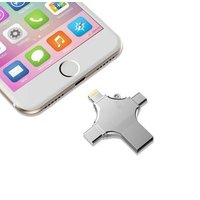
New product ideas for marketing class type c USB3.0 flash drive 4 in 1 otg cellphone usb 8GB,16GB,32GB for iphone android
Alibaba UK

3. Leverage Email Marketing
While social media is essential, email marketing remains a powerful tool. A study by Campaign Monitor indicates that email marketing has an ROI of 4400%. It provides a way to reach audiences directly and allows for more controlled communication. Artists can use newsletters to announce new releases, share tour dates, or provide exclusive content to encourage fans to subscribe.
To maximise the effectiveness of email marketing, artists should focus on growing their mailing list from day one. Offering incentives such as exclusive tracks, early access to tickets, or personalised content can encourage fans to subscribe. Regularly communicating with fans through well-designed emails can help maintain engagement and foster a loyal following.
4. Collaborate with Influencers
Working with influencers can significantly amplify an emerging artist's reach. Influencers possess dedicated followings and can provide valuable exposure to new audiences. According to Influencermarketinghub, 90% of marketers believe that influencer marketing is effective. Collaborations can take many forms, from sponsored content to creative partnerships in music videos.
For example, collaborating with popular TikTok users to create challenges around a new song can effectively generate buzz. By targeting influencers who share a similar audience, artists can effectively bridge the gap to potential new fans and maximize their outreach.
5. Implement a Content Strategy
In 2026, content is still king. Developing a comprehensive content marketing strategy can keep audiences engaged and attract new fans. This could include a mix of music videos, vlogs, interviews, and behind-the-scenes footage. YouTube is particularly valuable; around 2 billion users flock to the platform monthly, making it essential for artists to maintain an active presence on this channel.
Artists can create engaging video content that showcases their personality and music style, while also optimising titles and descriptions with relevant keywords to enhance discoverability. Regularly releasing diverse content keeps the audience engaged and creates anticipation for future releases.
6. Participate in Live Events
Participating in live events—whether they are gigs, festivals, or virtual concerts—can help artists build connections with fans. Live performances allow artists to showcase their talent while creating a memorable experience for attendees. According to a survey by Eventbrite, 78% of fans feel a stronger connection to artists after a live show.
By identifying and participating in events that align with their genre, emerging artists can reach new audiences and convert attendees into fans. Additionally, promoting upcoming performances through social media and email remains crucial to attract attendees to live events.


7. Engage with Music Blogs and Podcasts
Connecting with music blogs and podcasts can greatly enhance visibility. Many blogs often feature emerging artists, and being featured can provide substantial exposure to different audiences. Artists can reach out to blogs that focus on their genre and pitch their story, music, or upcoming events for potential features.
Furthermore, engaging with podcasts centred around the music industry can be a way to share personal stories and insights, while also providing a platform to reach potential new fans. Following industry professionals' social media pages can help identify which blogs or podcasts are open to submissions, fostering opportunities for artists to secure features and reach broader audiences.
8. Use Data Analytics
Implementing data analytics can provide valuable insights into audience behaviour and engagement patterns. Platforms like Spotify for Artists or Google Analytics track listener habits, helping musicians understand what works and refine marketing strategies accordingly. Emerging artists should consistently monitor their analytics to gather insights into which songs perform best, audience demographics, and engagement metrics.
This information will allow for more strategic decision-making regarding future releases and marketing strategies based on concrete data rather than assumptions.
📺 Ressource Vidéo
> Discover effective music marketing strategies in today's digital age, a complete analysis of the tactics mentioned. Search on YouTube: "music marketing strategies 2026".
Checklist Before Pursuing Music Marketing:
- [ ] Establish a consistent social media presence.
- [ ] Develop a unique brand identity.
- [ ] Create and grow an email list.
- [ ] Collaborate with influencers in your genre.
- [ ] Plan a diverse content strategy.
- [ ] Attend and perform at live events.
- [ ] Engage with relevant music blogs and podcasts.
- [ ] Use data analytics for informed decisions.
Glossary
| Terme | Définition |
|---|---|
| Brand Identity | The visible elements of a brand, such as colours, design, and logo, that together identify and distinguish the brand in consumers' minds. |
| Email Marketing | A marketing strategy that involves sending emails to a list of subscribers to promote products or services. |
| Content Marketing | A form of marketing focused on creating, publishing, and distributing content for a targeted audience online. |
---
📺 Pour aller plus loin : music marketing strategies 2026 sur YouTube
Recommended products
Selected by our experts



new products 2019 consumer electronics power bank marketing gift powerbank 2500mah
Alibaba UK

Custom Branded Google Cardboard V2 VR Glasses Cardboard Reader Viewer Low Price Virtual Reality For Marketing
Alibaba UK