Contents (11 sections)
Music production is an exciting and creative field that brings artists' visions to life. It requires a combination of technical skills, creativity, and knowledge of various music production techniques. Whether you're an aspiring musician, a producer, or simply passionate about music creation, mastering the fundamentals will set you on a path to success. This guide covers essential music production techniques that every upcoming artist should learn to elevate their skills.
1. Setting up Your Home Studio
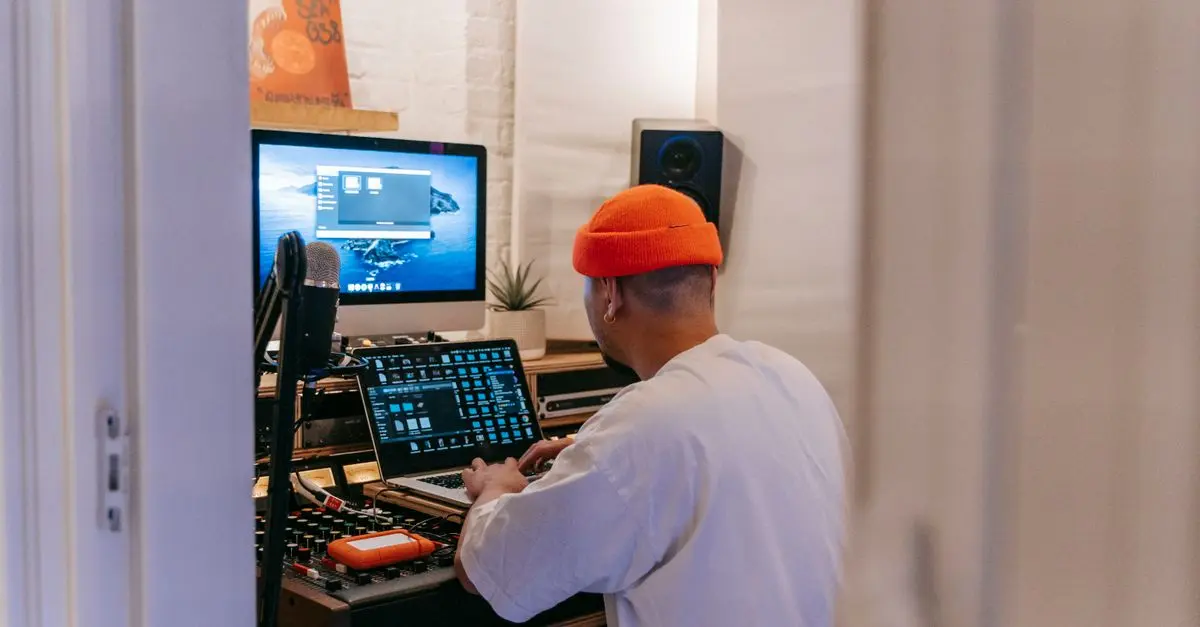
Setting up a home studio is crucial for any aspiring music producer. To start, choose a dedicated space that's quiet and has minimal distractions. Invest in quality recording equipment, including a digital audio workstation (DAW), microphones, and audio interfaces. Ensure your computer meets the hardware requirements for running your chosen DAW smoothly.
A well-designed studio will allow you to experiment and record freely. Consider acoustic treatment, which can significantly enhance your sound quality. Absorption panels and bass traps will help control reflections and sound waves, ensuring a clearer mix. To summarise, here are key points for setting up your home studio:
- Select a quiet space.
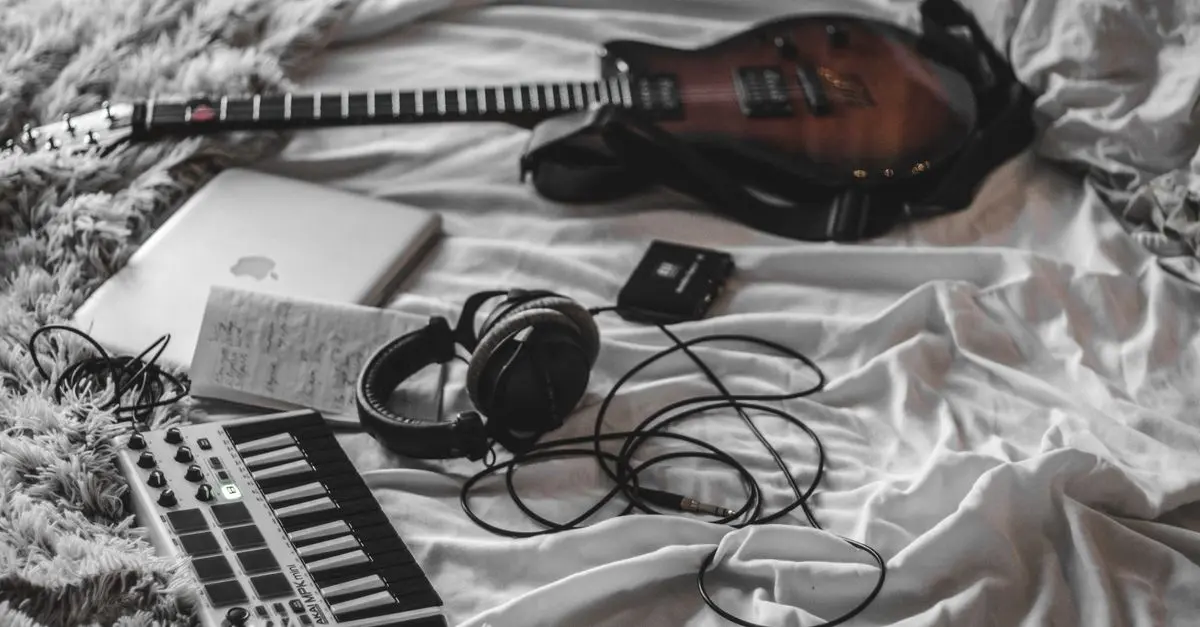
- Invest in quality gear: microphones, interfaces, and headphones.
- Consider acoustic treatment for optimal sound.
- Ensure your computer is up to standard for your software requirements.
2. Understanding Recording Techniques
Recording is the backbone of music production. Learning how to capture sound accurately is fundamental. Start by getting acquainted with microphone types and their specific uses; dynamic mics are best for loud sources, while condenser mics are ideal for vocals and acoustic instruments.
When recording, pay attention to microphone placement. The distance and angle can influence the overall sound captured. For vocals, try positioning the mic about 6 to 12 inches away to avoid plosive sounds while capturing richness in tone.
Another key aspect is ensuring proper gain staging. This means setting levels correctly throughout the recording chain to avoid distortion while maintaining a strong signal. Here’s a checklist for recording:
- Select the right microphone type.
- Experiment with placement to find the best sound.
- Use proper gain staging to maintain sound quality.


Martin Smith Full-Size Acoustic Guitar Kit with Stand, Tuner, Bag, Strap, Plectrums, Spare Strings & Lessons
Back to the Office
3. Mixing Basics
Once the recording process is complete, mixing is where the true artistry lies. Mixing involves balancing levels, panning instruments, and applying effects to create a cohesive track. Start by listening to the mix critically; focus on clarity and balance.
One common technique is using EQ (equalization) to carve out space for each instrument in the mix. For instance, you might cut low frequencies from guitars to make room for the kick drum, allowing both elements to coexist more harmoniously.
Additionally, use compression wisely to control dynamic range, ensuring no instrument overwhelms others. Avoid over-compressing, which can lead to a lifeless mix. Here are some tips for mixing:
- Pay attention to levels and panning.
- Use EQ to create space in the mix.
- Apply compression for dynamic control without losing character.
4. Mastering Your Track
Mastering is the final step in the music production process and is crucial for preparing your track for distribution. It involves optimizing the final mix for various playback systems and ensuring a consistent sound across formats.
A common practice during mastering is to apply a limiter to prevent clipping and raise the overall loudness of the track without sacrificing dynamics. Also, consider using stereo widening techniques to enhance the sense of space and fullness in your track.
Remember, the aim of mastering is not to drastically change your mix but to polish it to a broadcast-ready standard. Here’s a quick checklist for mastering:
- Use a limiter to prevent clipping.
- Ensure consistent loudness across your tracks.
- Check your mix on multiple systems (headphones, speakers, etc.) to gauge its balance.
5. Collaboration and Feedback
Collaboration is a vital element in music production. Engaging with other musicians can provide fresh perspectives and constructive feedback on your work. Get involved in local music communities or online forums where you can share your creations.
Receiving feedback is essential for growth. Attend workshops or seek out experienced producers who can provide honest critique. Remember to discern helpful advice from subjective tastes; not every piece of feedback is appropriate for your vision. Here’s how to effectively seek collaboration:
- Network within local and online music communities.
- Seek specific feedback to enhance particular elements of your tracks.
- Be open to constructive criticism while staying true to your artistic vision.
Checklist before Buying Music Equipment
- [ ] Research essential gear for your studio.
- [ ] Read reviews and watch product demos.
- [ ] Set a budget before making purchases.
- [ ] Consider whether to buy new or second-hand equipment.
- [ ] Ask for recommendations from experienced producers.

RockJam Full-Size Acoustic Guitar Kit with Stand, Tuner, Bag, Strap, Plectrums, Spare Strings & Lessons
Back to the Office

SanDisk SDSQUAB-128G-GN6MT memory card 128 GB MicroSDXC Class 10
Back to the Office

Glossary
| Terme | Définition |
|---|---|
| DAW | Digital Audio Workstation, software for recording and editing music. |
| EQ | Equalization, a process of adjusting the balance between frequency components of an audio signal. |
| Compression | A process that reduces the dynamic range of audio, controlling volume fluctuations. |
📺 Ressource Vidéo
> 📺 Pour aller plus loin : How to Set Up a Home Studio for Beginners, une analyse complète de la configuration d'un studio de musique. Recherchez sur YouTube : "home studio setup tips 2026".
Conclusion
Mastering these essential music production techniques can significantly improve your skills as an artist. As you advance, continue to experiment, learn, and seek out new opportunities to collaborate with other musicians. Embrace feedback and never stop honing your craft.
Recommended Products
Recommended Products
Nous avons sélectionné plusieurs produits adaptés pour compléter votre équipement de musicien, y compris des kits de guitare acoustique, des cartes mémoire pour votre studio, et plus qui seront affichés ci-dessous.
📺 Pour aller plus loin : home studio setup tips 2026 sur YouTube
Recommended products
Selected by our experts

RockJam Full-Size Acoustic Guitar Kit with Stand, Tuner, Bag, Strap, Plectrums, Spare Strings & Lessons
Back to the Office

ASUS M3702WFAK-WA080W AMD Ryzen™ 5 7520U 68.6 cm (27") 1920 x 1080 pixels All-in-One PC 8 GB LPDDR5-SDRAM 512 GB SSD Windows 11 Home Wi-Fi 6E
Back to the Office


Creative Labs Creative T60 Full range Black Wired & Wireless 30 W
Back to the Office


Creative Labs Creative T60 Full range Black Wired & Wireless 30 W
Back to the Office