Contents (12 sections)
Collaborating with musicians is an enriching experience that can lead to incredible creativity and innovation. Working with others allows for the sharing of ideas, blending of different styles, and the birth of unique music that might not have emerged in isolation. However, it’s essential to approach these partnerships with a clear understanding of their dynamics.
At its core, collaboration involves combining individual strengths to create something greater than the sum of its parts. A study by SoundOnSound found that many successful musicians attribute their breakthroughs to collaborative efforts. When combining talents, it's vital to maintain a shared vision while respecting each other's contributions.
Setting Clear Goals
One of the first steps in successful collaboration is setting clear goals. Before diving into a project, convene with your fellow musicians to discuss what you hope to achieve together. Are you aiming to write a song, produce an album, or simply jam for fun? Each goal demands a different approach and level of commitment.
Moreover, having specific, measurable objectives helps keep everyone aligned. For example, if you're working towards a single release, designate timelines for songwriting, rehearsals, and recording sessions. A structured approach promotes accountability and can lead to a more polished outcome.
Embracing Diversity in Styles
When collaborating with musicians, embracing diverse musical styles can significantly enhance the creative process. Each musician brings their unique flair, influencing the overall sound and direction of your project. For instance, a rock guitarist teaming up with a jazz pianist may produce a fusion genre that captivates audiences.
Research indicates that diversity leads to increased innovation. A report from McKinsey & Company stated that inclusive teams outperform their peers on profitability. So, don't shy away from collaborating with musicians from different genres; it can stimulate creativity and open up new avenues of expression.
Maintaining Open Communication
Effective communication is crucial in any collaborative setting. To ensure everyone’s voice is heard, establish norms for discussions. Regularly check in with one another to share progress, doubts, or new ideas. Encourage constructive feedback and be open to criticism.
Using collaborative tools such as Google Docs or Trello can help keep the communication flowing and provide transparency in the collaborative process. Clearly defined roles and responsibilities can also alleviate misunderstandings, making the entire experience more enjoyable and productive.
Flexibility and Adaptability
Collaboration often requires flexibility and adaptability. Things may not always go according to plan, and creative differences can lead to conflicts. Being open to compromise is vital for successful partnerships. For example, if one musician wishes to pursue a more experimental approach, consider allocating some time to explore that direction, even if it deviates from the initial plan.
Being adaptable also means being receptive to last-minute changes or new ideas. Often, the best creative moments arise unexpectedly. Embracing spontaneity during sessions can lead to exciting results that resonate with all collaborators.
The Importance of Trust
Trust plays a significant role in the success of collaborative projects. It’s essential that all musicians feel secure enough to share their ideas without the fear of judgement. Establishing trust takes time but is crucial for delivering honest critiques and encouraging risk-taking.
To build this trust, engage in team-building activities outside of music. Spend time getting to know one another, which helps foster relationships that extend beyond the studio. According to Psychology Today, strong interpersonal connections facilitate creativity and can enhance performance in group settings.
Learning from Each Other
Every collaboration is an opportunity for personal growth and skill enhancement. Each musician you work with brings their strengths and knowledge. Consider this an opportunity to learn from different techniques and styles. For example, a drummer might teach you rhythmic patterns that you’re unfamiliar with, enhancing your own musical toolkit.
Dun & Bradstreet highlights that continuous learning in collaborative environments can lead to improved performance and innovation. Therefore, approach your collaborations with an open mind, eager to absorb new concepts and ideas.
Dealing with Disagreements
Disagreements are natural in any collaborative process, especially in creative fields where individuality plays a significant role. The key lies in how you handle these conflicts. It’s vital to discuss issues openly and professionally, without resorting to personal attacks.
Consider designating a mediator if tensions run high, or ensure everyone has a chance to present their views before making decisions. Moreover, turning disagreements into opportunities for compromise can enrich the project, yielding unexpected results.
Celebrate Successes Together
Finally, don’t forget to celebrate your successes. Whether it’s the successful finish of a song, a solid rehearsal, or hitting a streaming milestone, acknowledge these achievements as a group. Celebrations, big or small, reinforce the bond between collaborators and keep morale high for future projects.
Sharing success fosters a positive atmosphere where creativity can flourish. According to Harvard Business Review, recognition and celebration are critical to maintaining engagement and satisfaction among team members.
Checklist for Successful Collaborations
- [ ] Set clear goals and objectives.
- [ ] Embrace diverse musical styles within your group.
- [ ] Maintain open and constructive communication.
- [ ] Foster flexibility and adaptability throughout the project.
- [ ] Build trust through team-building activities.
- [ ] Make learning from each other a priority.
- [ ] Address disagreements professionally and collaboratively.
- [ ] Celebrate every success, big or small.
Glossary
| Terme | Définition |
|---|---|
| Collaboration | Process where musicians work together to create music, combining their diverse talents and styles. |
| Consensus | General agreement among collaborators, achieved through discussion and compromise. |
| Cross-genre Fusion | The blending of different musical genres to create new and unique sounds. |
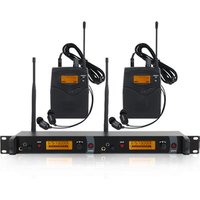
2018 Newest In Ear Monitor Wireless System SR2050 Monitoring Professional For Musicians
Alibaba UK

National Gallery André Bouys, La Barre and Other Musicians Print
nationalgallery.co.uk
National Gallery André Bouys, La Barre and Other Musicians Print
nationalgallery.co.uk
📺 Resource Video
> [Explore Effective Collaboration Techniques in Music], a comprehensive analysis of how to enhance your collaborative efforts. Search YouTube for: "collaborating with musicians tips 2026".
📺 Pour aller plus loin : How To Collaborate On YouTube Music (𝟮𝟬𝟮𝟲) | 100% WORKS | NO Yapping, To The Point! | FAST & EASY sur YouTube
Recommended products
Selected by our experts
National Gallery André Bouys, La Barre and Other Musicians Print
nationalgallery.co.uk
National Gallery André Bouys, La Barre and Other Musicians Print
nationalgallery.co.uk
National Gallery André Bouys, La Barre and Other Musicians Print
nationalgallery.co.uk
National Gallery André Bouys, La Barre and Other Musicians Print
nationalgallery.co.uk
National Gallery André Bouys, La Barre and Other Musicians Print
nationalgallery.co.uk
National Gallery André Bouys, La Barre and Other Musicians Print
nationalgallery.co.uk