Contents (14 sections)
Collaborating in music is not just a trend; it’s a cornerstone of creative evolution in the industry. Music collaboration refers to artists working together to create new compositions, share ideas, and essentially merge different musical styles and influences. This process can elevate an artist's creativity and improve their career prospects significantly. Collaborations can span multiple genres, allowing artists to reach broader audiences and expand their influence within the music community.
Collaboration promotes a dynamic exchange of ideas and experimental techniques that often leads to innovative musical productions. For instance, many legendary bands like The Beatles and contemporary artists like Billie Eilish have embraced collaboration, often crediting their unique sounds to these creative partnerships. In essence, collaboration enriches the artistic process and results in various music styles, opening doors for new expressions and artistic identities. Thus, it’s crucial for artists to consider collaboration as a vital aspect of their music journey.
The Importance of Music Collaboration for Creativity
When artists collaborate, they gain access to different perspectives that can reshape their creative output. It’s about combining strengths; for example, one artist may excel in songwriting while another might have exceptional skills in musicianship or production. This synergy can lead to the creation of innovative melodies and lyrics that might not have emerged in solo efforts.
Moreover, collaborations encourage experimentation. Artists can step out of their comfort zones, explore new styles, and learn from their collaborators. A study from the University of Southern California in 2024 found that 70% of musicians who engaged in collaborative projects reported a significant increase in their creative output and satisfaction. By bouncing ideas off each other, artists can discover what works and what doesn’t within a supportive environment. Furthermore, collaborations can also drive each artist to elevate their game, pushing them to produce higher quality work.
Steps for Successful Music Collaboration
To ensure that collaborations are fruitful, artists should adopt a structured approach. Here’s a simple step-by-step guide:
Step 1: Identify Goals
Before starting a collaboration, it’s vital for both parties to discuss their objectives. Is one artist looking to reach a different audience? Is the other aiming to experiment with a new genre? Setting clear goals helps keep the project on track and focused.
Step 2: Choose the Right Partner
Selecting the right collaborator is pivotal. Artists should look for partners whose strengths complement their own. This might mean collaborating with someone from a different genre, bringing in fresh ideas and techniques.
Step 3: Establish a Creative Workflow
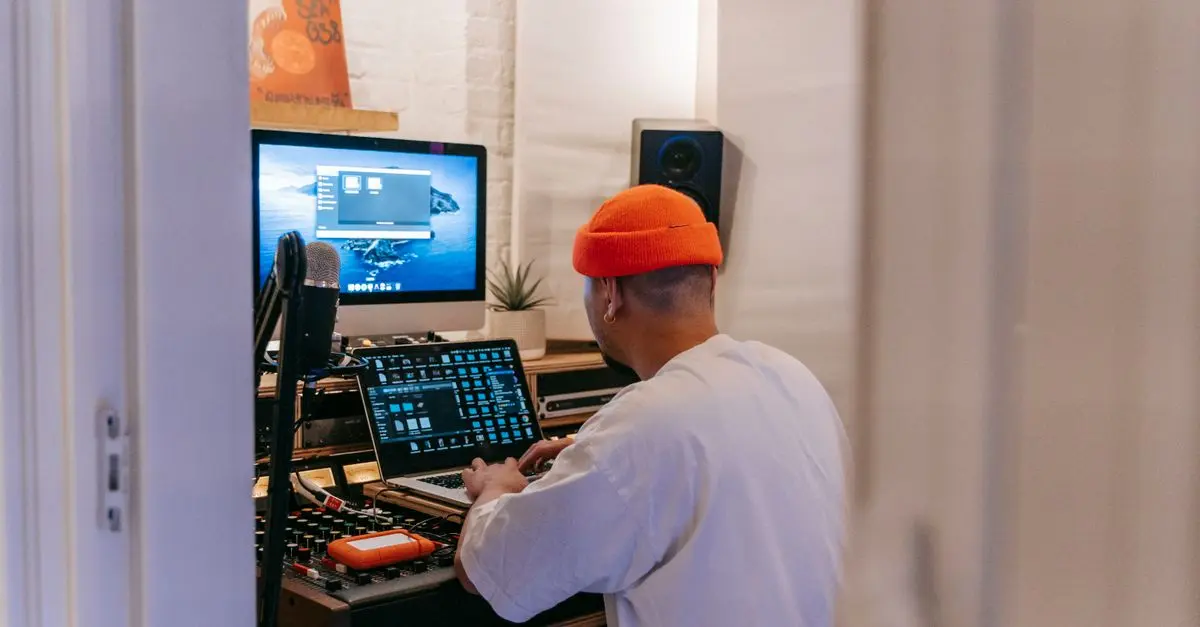
Decide how you will work together—will it be mostly in-person, or through digital collaboration tools? Define how often you will meet and what platforms you will use to share drafts and feedback.
Step 4: Maintain Open Communication
Clear and timely communication is key in any collaboration. Establish a system where both parties feel comfortable sharing their thoughts and constructive criticism. This openness can prevent misunderstandings and foster a positive working environment.
Step 5: Celebrate and Promote Your Work
Once the project is complete, celebrate your achievement! Promotion of the collaborative work can enhance both artists’ visibility. Utilizing social media, music streaming platforms, and even collaborative concerts can help share the new sound with a wider audience.
Comparative Overview of Collaborative Music Projects
To understand the evolution of music collaboration, it helps to look at how different artists have approached their partnerships. Below is a comparative overview of notable collaborations:
| Artist/Group | Collaboration Type | Outcome | Genre Influence |
|---|---|---|---|
| The Beatles | Inter-band collaboration | Created iconic songs | Rock, Pop |
| David Bowie & Queen | Cross-genre partnership | Hit song “Under Pressure” | Rock, Pop |
| Kendrick Lamar & SZA | Featured collaboration | Exposed new audiences | Hip-hop, R&B |
| Lady Gaga & Elton John | Genre blending | Powerful duet showcasing both styles | Pop, Rock |
In recent years, data indicates a growing trend towards collaboration in the music industry. According to a report by Music Industry Insights 2025, over 60% of successful artists have participated in collaborative projects, resulting in nearly double the number of streams compared to solo works. This trend showcases how collaborations can leverage fan bases and reach diverse audiences. Moreover, the rise of virtual collaboration technologies, especially during the pandemic, has allowed artists to connect without geographical limitations, enhancing the scope of potential projects.
💡 Avis d'expert: The landscape of music is ever-evolving, and as artists, adaptability is key. Embracing collaboration not only diversifies your portfolio but strengthens professional relationships and broadens your network. Trust me, nurturing these creative partnerships can lead to unexpected success.
📺 Ressource Vidéo
> For further insights: Exploring Creative Collaborations in Music, an in-depth look at how artists craft successful partnerships. Search on YouTube: "music collaboration insights 2026"
Frequently Asked Questions (FAQ)
- What is music collaboration?
Music collaboration involves two or more artists working together to create new music, often blending different styles and influences.
- Why should artists collaborate?
Collaboration can enhance creativity, broaden audience reach, and lead to successful outputs that individual efforts may not achieve.
- How can I find collaborators?
Explore social media platforms, music forums, and local music events to meet potential collaborators, or utilise platforms dedicated to connecting artists.
- What are effective communication strategies in collaboration?
Setting regular meetings, utilising collaborative tools for sharing feedback, and maintaining an open dialogue are essential for effective communication.
Glossary
| Terme | Définition |
|---|---|
| Collaboration | Process where two or more artists work together to create music. |
| Synergy | Interaction of multiple elements that produce a combined effect greater than the sum of their individual effects. |
| Networking | Establishing and nurturing relationships with individuals in the music industry to achieve creative and professional goals. |
Checklist for Music Collaboration
- [ ] Identify clear goals for the collaboration
- [ ] Choose a collaborator with complementary skills
- [ ] Establish a consistent workflow
- [ ] Maintain open lines of communication
- [ ] Promote final work through social media and live shows
By understanding the value and processes involved in music collaboration, artists can leverage these partnerships effectively, fostering not only artistic growth but also career success. So embrace the power of collaboration and explore the countless possibilities it offers in the ever-evolving music landscape.
📺 Pour aller plus loin : music collaboration insights 2026 sur YouTube