
Contents (17 sections)
Creating a strong music brand is essential for musicians looking to succeed in today's digital landscape. This comprehensive guide will walk you through the necessary steps to establish a compelling online presence that resonates with your target audience and enhances your career.
Table of Contents
- What is a Music Brand?
- Step 1: Define Your Brand Identity
- Step 2: Build an Engaging Website
- Step 3: Leverage Social Media
- Step 4: Create Quality Content
- Step 5: Collaborate and Network
- Conclusion and Checklist
1. What is a Music Brand?
A music brand encompasses more than just your music; it is the overall perception of you as an artist. This includes your visual identity, your messaging, your audience engagement, and the emotions your music evokes. A well-defined music brand can lead to increased recognition and fan loyalty. According to a study by MusicWatch, 73% of fans are more likely to engage with an artist who has a clear brand identity. Building your brand is crucial for distinguishing yourself in a crowded market.
Why Branding Matters
- Differentiation: In the competitive music industry, a unique brand helps you stand out.
- Authenticity: A strong brand reflects your genuine self, attracting loyal followers who resonate with your values.
- Sustainability: A solid brand foundation can lead to long-term success, making it easier to navigate the ups and downs of a music career.
2. Step 1: Define Your Brand Identity
Before delving into online platforms, it is essential to nail down your brand identity. Ask yourself the following questions:
- Who am I as an artist? Consider your musical style, your influences, and your message.
- What are my values? What does your music represent? Is it about social change, personal experience, or a celebration of life?
- Who is my target audience? Identify the demographics and psychographics of those who resonate with your sound. For example, if you create folk music, your audience might be more inclined towards storytelling and authenticity.
Once you've defined these elements, create a mood board that visually encapsulates your brand identity. This can include colours, imagery, and styles that reflect who you are as a musician and what you want to communicate.


Samsung Galaxy S25 SM-S931B/DS 15.8 cm (6.2") Dual SIM Android 15 5G USB Type-C 12 GB 512 GB 4000 mAh Black, Blue
Back to the Office

Viewsonic VP3881A computer monitor 96.5 cm (38") 3840 x 1600 pixels Quad HD+ LED Black
Back to the Office
3. Step 2: Build an Engaging Website
Your website is your digital home and serves as a central hub for your music brand. Here’s what you should focus on:
- User-Friendly Design: Ensure your website is easy to navigate, mobile-friendly, and includes essential sections such as an about page, a discography, and a contact form.
- Branding Hooks: Use your brand identity to influence design choices, such as colour schemes and typography.
- Content Updates: Regularly update your website with new content, including blog posts, news, and events, keeping your audience engaged.
- SEO Optimization: Implement SEO strategies so potential fans can easily find you. Research keywords relevant to your music and integrate them naturally into your site.
Recommended Tools
Consider using platforms like WordPress for building your site, which offer various plugins to enhance functionality. We have selected several products tailored for musicians and content creators that you might find useful below.
4. Step 3: Leverage Social Media
Social media platforms are indispensable for promoting your music brand. Here are some strategies:
- Choose the Right Platforms: Depending on your target audience, focus on the platforms where they are most active, such as Instagram for visual content or TikTok for dynamic video engagement.
- Build a Content Calendar: Plan your posts ahead by creating a content calendar to maintain consistency. Incorporate various types of content, such as behind-the-scenes clips, live performances, and interactions with fans.
- Engage with Your Audience: Respond to comments and messages, creating a sense of community. Use polls, questions, and live sessions to promote fan interaction.
Social Media Insights
According to Statista, over 80% of adults in the UK use social media, highlighting the importance of an effective presence on these platforms. Regular interactions can help build your fan base and loyalty.
5. Step 4: Create Quality Content
Content is king when it comes to engaging your audience and promoting your music brand. You should focus on:
- Music Releases: Regularly releasing new music engages listeners and keeps your brand fresh.
- Visuals: Invest in high-quality images and videos that convey your brand. Consider hiring a photographer for promotions.
- Collaborative Works: Partner with other musicians or influencers, creating cross-promotional opportunities that benefit both parties.
Content Creation Tips
Dedicating time to refine your craft can set you apart. Use analytics from platforms to determine which content resonates most with your audience and tailor future content accordingly.
6. Step 5: Collaborate and Network
Networking is crucial in establishing a successful music brand. Consider:
- Attending Events: Participate in music-related events, both online and offline, to connect with industry professionals.
- Online Collaborations: Utilize technology to collaborate with other musicians or influencers, broadening your audience and influence.
- Join Music Communities: Be part of forums and groups that resonate with your genre or values, fostering relationships that may lead to future opportunities.
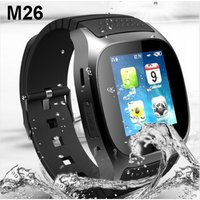
Wholesale Price M26 Bluetooth Smart Watch Music Player Pedometer Wristwatch Brand for iPhone 5s 6 6s Android Smartphone Watch
Alibaba UK

Viewsonic IFP7534 interactive whiteboard 190.5 cm (75") 3840 x 2160 pixels Touchscreen Black
Back to the Office

Sony BRAVIA 3 165.1 cm (65") 4K Ultra HD Smart TV Wi-Fi Black
Back to the Office
Conclusion and Checklist
Building your online music brand requires careful planning, consistency, and creativity. Here’s a quick checklist to ensure you’re on the right track:
- [ ] Define your brand identity.
- [ ] Create a user-friendly website.
- [ ] Develop a robust social media strategy.
- [ ] Produce and share high-quality content.
- [ ] Network and collaborate with others in the industry.
Recommended Products
- Roland RH-A30 Headphones: Ideal for studio musicians needing accurate sound without full isolation.
- Samsung Galaxy S25: A powerful device for all your music production and social media needs.
- Viewsonic VP3881A Monitor: Perfect for enhancing your visual presentations and content creation.
✅ Glossaire
| Terme | Définition |
|---|---|
| Brand Identity | The visible elements of your brand, including colour, design, and logo. |
| Content Calendar | A schedule for planning and publishing content across platforms. |
| SEO | Strategies used to improve website visibility on search engines. |
🧠 Quiz rapide : What’s the most important element of a music brand?
- A) Consistency
- B) Unique Sound
- C) Appearance
Réponse : A — Consistency keeps your brand recognizable and trustworthy.
📺 Pour aller plus loin:
[How to Build Your Music Brand Online: A Step-by-Step Guide], a comprehensive look at creating your music identity. Search on YouTube: how to build a music brand 2026.
📺 Pour aller plus loin : how to build a music brand 2026 sur YouTube
Recommended products
Selected by our experts


XPG LANCER RGB memory module 32 GB 2 x 16 GB DDR5 288-pin DIMM
Back to the Office