
Contents (10 sections)
In today's competitive music industry, artists and professionals must adapt and evolve. One of the most powerful tools at your disposal is music analytics. By leveraging data, you can make informed decisions that enhance your career growth. In this comprehensive guide, we'll break down how to effectively use music analytics to your advantage.
1. Understanding Music Analytics: Definition and Importance
Music analytics refers to the data-driven examination of various metrics related to music consumption, audiences, and market trends. This involves analysing data from streaming platforms, social media, and sales figures to gain insights into listener behaviour. Understanding this analytics landscape is essential for several reasons:
- Targeted Marketing: By knowing who your audience is, you can tailor your marketing efforts to effectively reach them.
- Creative Decisions: Data can inform you about the types of songs that resonate with listeners, guiding your creative process.
- Performance Tracking: Analytics allow you to monitor your progress and adjust strategies as needed.
For instance, according to a report by IFPI in 2026, over 82% of music professionals who utilised analytics noticed substantial growth in their audience engagement. Therefore, integrating music analytics into your strategy is no longer optional but a necessity to stay competitive.
2. Step-by-Step Guide to Using Music Analytics
Step 1: Identify Your Goals
Before diving into the data, clarify what you hope to achieve. Are you looking to increase your streaming numbers, grow your social media following, or enhance your live performance attendance? Having clear goals tailors the analytics approach to your specific needs.
Step 2: Choose the Right Tools
Various tools like Spotify for Artists, Apple Music Analytics, and software like Chartmetric provide detailed insights into listener demographics, engagement rates, and playlist placements. Choose one that aligns with your needs and budget.
Step 3: Collect and Analyse Data
Once you've set up your chosen tools, begin collecting data. Look at streaming numbers, engagement on social media, and concert attendance. Identify trends—are certain songs performing better than others? Which platforms are driving the most traffic?
Step 4: Implement Findings
Use your insights to inform your marketing strategies. If a certain genre is resonating more with audiences, consider incorporating similar styles into your next project. Tailor your promotional efforts based on regions where engagement is highest.
Step 5: Monitor and Adjust
Analytics is an ongoing process. Regularly review your metrics to see how well your changes are performing. Are you seeing increased engagement? What isn’t working? Be prepared to pivot your strategies based on real-time data.
3. Comparing Analytical Tools: Which One is Right for You?
Understanding the strengths of various music analytic tools is crucial. Here is a comparison of three popular platforms:
| Feature | Spotify for Artists | Apple Music Analytics | Chartmetric |
|---|---|---|---|
| Audience Insights | Yes | Yes | Yes |
| Real-time Data | No | Yes | Yes |
| Social Media Tracking | No | No | Yes |
| Genre Analysis | Limited | Limited | Comprehensive |
4. Data-Driven Decisions: The Impact of Music Analytics
In a rapidly evolving music landscape, making decisions backed by data can provide a competitive edge. Datasets from analytics tools can guide your marketing strategies, helping you choose songs to promote or even find new markets to explore. In 2026, Nielsen reported that artists using analytics to shape their promotional strategies had on average 30% higher engagement rates compared to those who did not.
💡 Expert Opinion: Regularly utilising these insights can ultimately lead to a sustainable growth path in your career.
5. Common Mistakes to Avoid when Using Music Analytics
While music analytics can provide valuable insights, it's essential to approach it with care to avoid common pitfalls:
- Ignoring the Numbers: Always track your progress and be proactive about changes rather than reactive.
- Overloading on Data: Focus on the data that aligns with your goals; avoid getting lost in excessive metrics.
- Neglecting Audience Feedback: Data is crucial, but don’t disregard direct feedback from your fans. It complements quantitative data perfectly.
Checklist Before Implementing Music Analytics
- [ ] Define clear career goals.
- [ ] Research and select appropriate analytics tools.
- [ ] Set up and start collecting relevant data.
- [ ] Regularly monitor and evaluate your analytics.
- [ ] Adjust strategies based on analytical insights.
📺 For Further Exploration
Explore the benefits of music analytics with detailed analyses and real-world examples in videos on platforms like YouTube. Search for topics such as “how to leverage music analytics for success” for deeper insights.
Glossary
| Term | Definition |
|---|---|
| Music Analytics | Data-driven analysis of music consumption metrics and audience insights. |
| Streaming Data | Metrics related to the playback of audio content across digital platforms. |
| Audience Engagement | Interaction levels between artists and their fans through various media. |
> 🧠 Quick Quiz: What is the main advantage of using music analytics?
> - A) Increased followers
> - B) Data-driven decisions
> - C) More song releases
> Answer: B — Music analytics allows artists to make informed decisions based on user data, enhancing overall strategy.
With the right approach to leveraging music analytics, you can transform your career trajectory in the music industry. Embrace the data, and let it guide you to new heights.
Recommended Products
- Wireless Headphones: Ideal for experiencing music with high fidelity while focusing on analytics and data.
- Smart Displays: Useful for visualising analytics data in real-time during performances.
- Analytic Software Courses: Enhance your understanding of data with professional learning resources tailored for musicians.
📺 Pour aller plus loin : NBB Trader: After $2.5M+ In Profit, THIS Is What Actually Works! sur YouTube
Recommended products
Selected by our experts

Sleep Headphones Bluetooth Eye Mask,Musicozy Sleep Mask Headphones with 14 Hrs P
onbuy.com


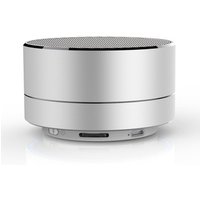
Music festival shenzhen OEM super bass led mini wireless portable bluetooth speaker
Alibaba UK