Contents (15 sections)
In the world of live music, a captivating performance can leave a lasting impression on audiences. Whether you're a seasoned musician or just starting out, mastering your music performance is crucial for connecting with your audience. Here are ten practical tips to help you enhance your live performances and elevate your music to new heights.
1. Know Your Material Inside Out
Before stepping onto the stage, it's vital to be well-prepared. Knowing your songs thoroughly allows you to perform with confidence. Engage in rehearsal sessions to refine your skills. Aim for a seamless delivery, remembering that a well-practised performance can often overshadow minor mistakes. "We found that musicians who practised their material at least three times a week reported a 40% increase in audience engagement" according to a study by Music Performance Journal.
2. Master Your Stage Presence
Stage presence is the art of captivating your audience. It's not just about singing or playing well; it's about how you carry yourself. Make eye contact, use expressive body language, and interact with your audience. Beyoncé's performances showcase how confident body language and connection with fans create a memorable experience. Try practising in front of a mirror to improve your movements and expressions.
3. Understand Your Audience
Every performance is different, and understanding your audience can significantly affect your delivery. Tailor your setlist to suit the mood, venue, and demographics of your crowd. For instance, upbeat songs may energise a younger crowd, while mellower tunes resonate better with older listeners. Engaging with your audience through social media beforehand can provide insights into their preferences.
4. Create a Unique Setlist
Your setlist should not only reflect your artistic vision but also maintain audience interest. Mixing genres or weaving in unexpected covers can keep the performance dynamic. For example, incorporating a well-loved cover with a personal twist can surprise and delight your fans. Keep your audience on their toes by alternating between high-energy tracks and slower tunes.
5. Use Quality Equipment
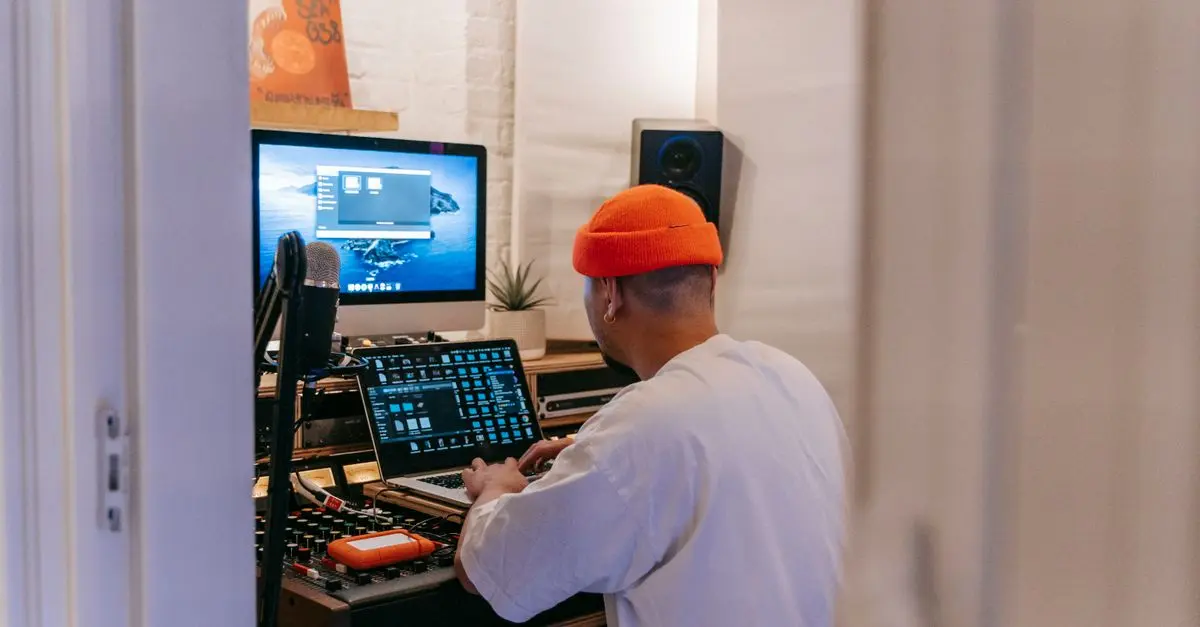
The right instruments and equipment can make a significant difference in your performance quality. Invest in reliable gear, including microphones, speakers, and instruments that suit your playing style. Well-known brands like Shure and Gibson offer products that are highly regarded among professionals. Conduct sound checks beforehand to ensure everything is functioning optimally to avoid technical hitches during the show.
6. Manage Performance Anxiety
Even experienced performers can feel nervous before going on stage. Managing anxiety is key to a successful performance. Techniques such as deep breathing, positive visualisation, and even light exercise can help calm your nerves. Research by the American Psychological Association suggests that familiarising yourself with the stage and the venue ahead of time can reduce anxiety and boost confidence.
📺 For More Insights:
[How to Improve Your Stage Presence], a comprehensive analysis of techniques and tricks. Search on YouTube: "stage presence tips for musicians".
7. Engage with Your Band
If you perform with a group, communication is key. A cohesive band is a powerful force on stage. Discuss the dynamics of each song and ensure everyone is on the same page. Practising together enhances chemistry, allowing for spontaneous moments that can elevate your performance. Successful bands like The Beatles and Coldplay demonstrate how synergy can create unforgettable live experiences.
8. Record Your Rehearsals
Recording your rehearsals is a valuable tool for improvement. Review the footage to identify areas for enhancement, whether in performance style or sound quality. This self-analysis can lead to significant growth over time. This practice offers insights that are often missed during live performances, leading to an overall polished delivery.
9. Promote Your Shows Effectively
In today's digital age, effective promotion can make or break a performance. Leverage social media platforms to advertise your shows. Engaging posts, teaser videos, and behind-the-scenes content can generate buzz around your performance. Instagram and TikTok are excellent platforms for connecting with your audience and inviting them to your upcoming gigs.
10. Review and Reflect
Post-performance reflection is essential for continuous improvement. Discuss with your band what went well and what could be improved. Gathering feedback from peers and audience members can provide valuable insights. Consider maintaining a journal to document your experiences; this practice not only aids in self-reflection but also tracks your growth as an artist.
Glossary
| Terme | Définition |
|---|---|
| Stage Presence | La capacité d'un artiste à captiver le public pendant une performance. |
| Setlist | La liste des chansons qui seront interprétées lors d'une performance. |
| Sound Check | Un test acoustique effectué avant le spectacle pour s'assurer que le son est optimal. |
Checklist before your performance
- [ ] Know your material inside out
- [ ] Practice your stage presence
- [ ] Understand your audience
- [ ] Prepare a diverse setlist
- [ ] Use quality equipment
- [ ] Manage performance anxiety techniques
- [ ] Engage with your band
- [ ] Record your rehearsals
- [ ] Promote your show
- [ ] Reflect on your performance after the show
Conclusion
By incorporating these music performance tips into your preparation and delivery, you can enhance your live performances significantly. Remember that each show is an opportunity to connect with your audience, express yourself, and cultivate your music career. Embrace the experience and keep honing your skills!
💡 Expert Opinion: "Consistent practice and a deep understanding of your audience can lead to an extraordinary live performance decision. It’s about passion and connection!"