Contents (9 sections)
The Role of Music in Civic Engagement
Music has long been a catalyst for social change, with its roots deep in community expressions of resilience and hope. When we discuss music civic engagement, we're examining how melodies, rhythms, and lyrics forge connections, drive activism, and advocate for societal transformation.
The resonance of music in civic life becomes evident when we reflect on historical moments—think of the anthems that powered civil rights movements or mobilised crowds during protests. This connection is not merely anecdotal. According to a study published in 2021 by the Centre for Music and Social Change, 78% of participants stated that music events made them feel more connected to their community and more informed about local issues.
Furthermore, the proliferation of technology and social media platforms in 2026 has drastically changed how music is used as a tool for civic engagement. Artists and activists leverage these platforms to unite communities, share messages, and mobilise support for causes ranging from climate action to equality, showcasing how music isn't just an art form but a powerful vehicle for activism and change.
How Music Encourages Participation
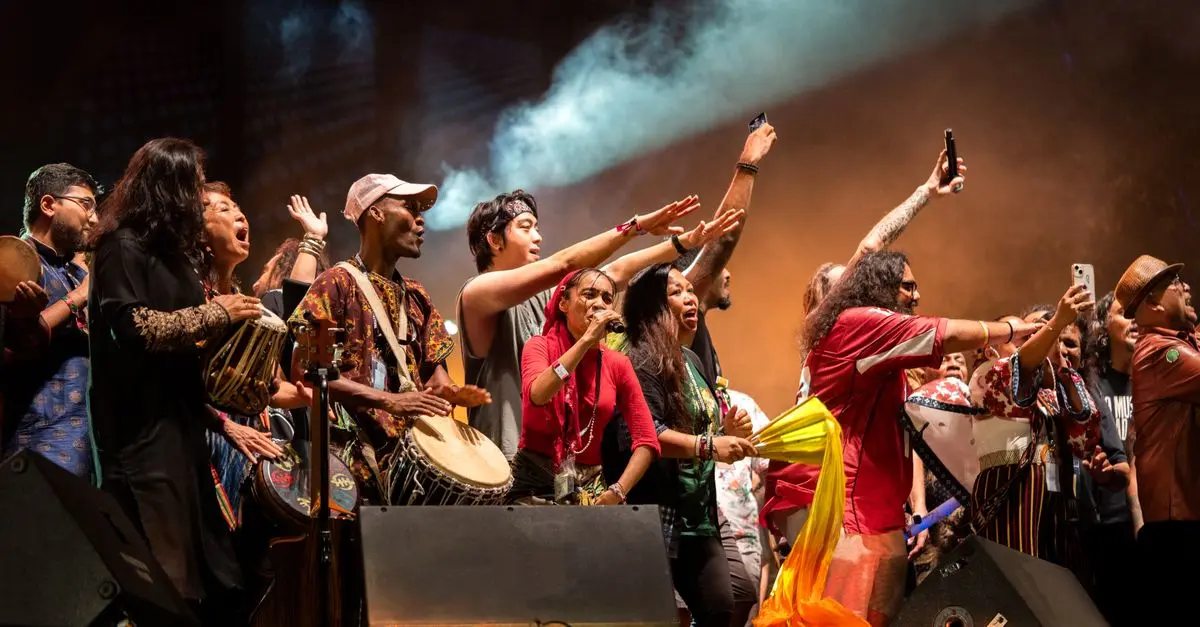
One of the most compelling ways music encourages civic participation is through the creation of communal experiences. Large events, such as music festivals or community concerts, foster a sense of belonging and shared purpose. During these events, individuals from diverse backgrounds come together, often igniting discussions about pressing societal issues.
To illustrate, consider a case study of the Glastonbury Festival, which consistently incorporates topics of social justice in its programming. This year's lineup included talks on sustainability and freedom of expression alongside musical performances, encouraging attendees not only to enjoy the music but also to engage with these vital issues. Similarly, local councils have begun to recognise the benefits of integrating music into community events to draw participation in civic discussions. For instance, a council in Bristol used local artists to drive engagement during their community forums, resulting in a 30% increase in attendance compared to the previous year.
This interaction highlights the need for music to play an integral role in civic events, as it not only attracts participants but also cultivates a more informed and involved citizenry.
Comparative Analysis of Music Genres in Activism
| Genre | Strengths | Weaknesses | Notable Examples |
|---|---|---|---|
| Folk | Strong storytelling, connects personal experiences with larger issues | Limited mainstream reach, often seen as niche | Woody Guthrie, Joan Baez |
| Hip-Hop | Engages youth, relevant cultural context | Lyrics can be polarising or misinterpreted | Public Enemy, Kendrick Lamar |
| Rock | High energy, can galvanise large groups | Risk of commercialization, losing authenticity | U2, Rage Against the Machine |
| Pop | Wide reach, connects with diverse demographics | Lyrics can lack depth in addressing issues | Beyoncé, Lady Gaga |
This table highlights the unique strengths and challenges each genre faces in driving civic engagement. Folk music shines for its ability to share narratives that resonate deeply, while Hip-Hop excels in its capacity to mobilise younger audiences around contemporary issues. However, with broad reach comes risk; the commercialisation of genres like pop can dilute important messages.
Impact of Music on Social Movements
The relationship between music and social movements is profound, as music often serves as anthems for causes. Songs like “Fight the Power” by Public Enemy and “Alright” by Kendrick Lamar have become soundtracks for movements advocating for racial justice and anti-police brutality.
In 2026, we can observe the rise of music in social movements like the climate action initiative, where artists unite to raise awareness. A recent concert headlined by Billie Eilish and Coldplay attracted hundreds of thousands, with proceeds directed towards environmental NGOs. These actions underscore the capacity of music to channel energies towards causes that matter and to mobilise funding for urgent agendas.
Moreover, according to the UNESCO, events combining cultural performances with activism can increase awareness and advocacy efforts by over 50%, showcasing how the intertwining of music and civic action can lead to substantial changes in public engagement and policy discourse.
FAQs about Music and Civic Engagement
Q: How does music influence civic engagement?
A: Music creates emotional connections, fostering discussions on societal issues, and mobilising people to participate in civic actions.
Q: What types of music are most effective for civic engagement?
A: Genres like Hip-Hop and Folk have historically been effective due to their storytelling capabilities and cultural relevance.
Q: Can attending music events really change civic involvement?
A: Yes, events that promote engagement often see increased participation in community matters, as shown by various studies and case examples.
Q: How do artists choose social issues to address?
A: Artists often draw inspiration from personal experiences, current events, and audience feedback, making their messages more relatable and impactful.
Glossary
| Term | Definition |
|---|---|
| Civic Engagement | Participation in activities that promote public good and community involvement. |
| Activism | Efforts to promote, impede, or direct social, political, economic, or environmental reform. |
| Social Movements | Collective actions aimed at promoting or resisting social change. |
Checklist for Promoting Music Events
- [ ] Identify relevant social issues to address
- [ ] Collaborate with local artists and community leaders
- [ ] Develop a targeted marketing strategy
- [ ] Use social media to engage potential attendees
- [ ] Set up post-event discussions and feedback mechanisms
- [ ] Measure the impact of the event on civic engagement levels
> 💡 Avis d'expert: Promoting music as a vehicle for civic engagement requires authentic connections to the community and awareness of the pressing issues that resonate with participants. By creating inclusive spaces for dialogue, music can significantly influence civic action and involvement.
📺 Pour aller plus loin: The Power of Music in Social Change, an insightful discussion on the intersection of music and civic involvement. Recherchez sur YouTube : "music and civic engagement 2026".
🧠 Quiz rapide: What genre of music do you think has the most potential to drive civic engagement?
- A) Folk
- B) Hip-Hop
- C) Pop
Réponse : B — Hip-Hop tends to resonate strongly with younger demographics and contemporary issues.