Contents (11 sections)
Music collaboration is an essential aspect of the creative process for many artists, enabling them to enhance their unique talents and produce groundbreaking work. In this guide, we will explore the ins and outs of music collaboration, equipping you with the tools and knowledge necessary to successfully work with other musicians and elevate your craft.
1. Understanding Music Collaboration
What is Music Collaboration?
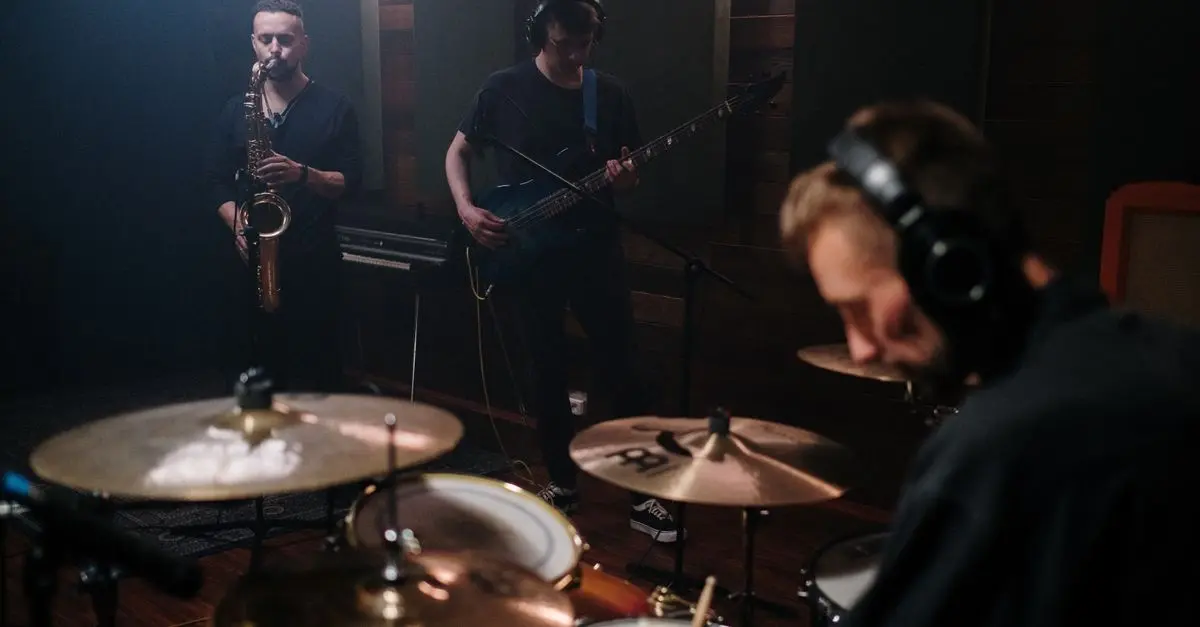
At its core, music collaboration involves two or more artists working together to create, produce, or perform music. This process can take many forms, including co-writing songs, producing tracks together, or even performing live as a duo or band. Collaborative efforts can lead to innovative soundscapes, new musical ideas, and an expanded audience reach.
Why Collaborate?
Collaboration can lead to numerous advantages for artists. It allows for the blending of different styles, genres, and perspectives, creating a richer musical experience. According to SoundCloud, artists who collaborate tend to have a 25% higher engagement rate on their tracks than those who work solo. Additionally, collaborating can open doors to new opportunities, connections, and a broader fan base. In today's fast-paced music landscape, teamwork is often the key to standing out.
2. Finding the Right Collaborators
Step 1: Identifying Suitable Artists
The first step in any successful collaboration is to determine who you wish to work with. Consider artists whose musical style complements yours or those who bring new influences to the table. Look for musicians within your network, explore local music scenes, or utilise platforms like Spotify or Instagram to discover artists aligned with your vision.
Step 2: Initial Contact and Communication
After narrowing down your choices, reach out to potential collaborators with a clear message about your intent. A personalised approach stands out, so take time to express why you want to work with them specifically. Be open and transparent about your ideas and what you hope to achieve. Building rapport early on lays the foundation for effective collaboration.
3. Setting Collaboration Goals
Before diving into the creative process, it's crucial to discuss and set clear goals for the collaboration.
Define Roles and Responsibilities
Having clarity on each artist's role helps to avoid misunderstandings. Whether it's songwriting, arrangement, or production, make sure everyone knows their responsibilities from the outset.
Create a Shared Vision
Discuss the project's direction and style. A joint brainstorming session can yield fresh ideas and unify your creative visions. Agreement on musical themes, styles, and the overall aesthetic will serve as a guiding light during the collaboration.
4. The Creative Process
Step 3: Collaborating in the Studio
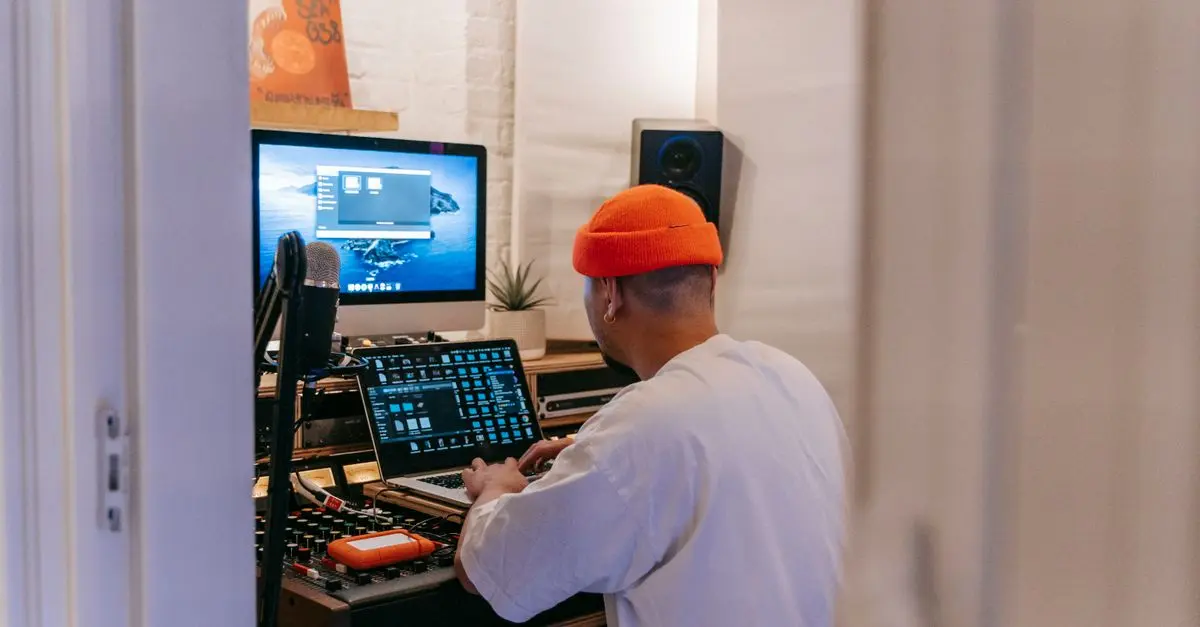
Once you've established goals and roles, it's time to start creating. Choosing the right environment is vital—this could be in a professional studio or a more casual home setting. Make sure your workspace is conducive to creativity and equipped with the necessary tools.
Experiment and Trust the Process
Collaboration can lead to unpredictable outcomes, which is part of its beauty. Be willing to experiment with different instruments, sounds, and arrangements. Encourage each other throughout the process and provide constructive feedback, recognising that disagreement is natural.
5. Finalising Your Collaboration
Step 4: Reviewing and Editing
As you near completion, review your work critically. Consider gathering feedback from neutral parties to gain fresh perspectives on your project. Collaboration often benefits from outside input, making it essential to remain open to constructive criticism. You could even set aside the project for a few days, then return to it with fresh ears.
6. Marketing Your Collaborative Work
Step 5: Promotion and Distribution
Once your collaborative project is complete, it’s vital to promote it effectively. Utilise social media platforms to generate buzz and engage your audience. Tag your collaborators in posts to reach their followers and enhance visibility. According to Hootsuite, posts which include multiple users have up to 50% more interaction.
Evaluate and Learn
After your project’s release, take some time to evaluate its success. Did it achieve your initial goals? What feedback did you receive? Use these insights to inform future collaborations and continually improve your approach.
7. Common Collaboration Pitfalls to Avoid
While music collaboration can be rewarding, it also presents challenges. Here are a few common pitfalls to be aware of:
- Communication Breakdowns: Ensure clear, consistent communication. Misunderstandings can lead to frustration and conflict.
- Creative Differences: While differing opinions can be beneficial, they can also lead to conflict. Agree how to manage disagreements amicably.
- Unclear Roles: Before beginning, ensure each collaborator knows their responsibilities to avoid confusion.
8. Checklist for Successful Music Collaboration
- [ ] Identify potential collaborators
- [ ] Reach out with a personalised message
- [ ] Define roles and responsibilities
- [ ] Set clear goals for the project
- [ ] Create a conducive workspace
- [ ] Encourage open communication
- [ ] Market your work effectively
- [ ] Evaluate success and gather feedback
📺 Resource Video
> 📺 For further insight: Collaboration Techniques for Musicians, a detailed analysis of collaborative methods. Search on YouTube: music collaboration techniques 2026.
Glossary
| Terme | Définition |
|---|---|
| Collaboration | Process by which two or more musicians work together to create music. |
| Engagement Rate | Measure of interaction on content, often expressed as a percentage. |
| Creative Process | The steps involved in generating and developing artistic ideas. |
> 🧠 Quick Quiz: What is the primary benefit of music collaboration?
> - A) More content released
> - B) Enhanced creativity
> - C) Increased profits
> Answer: B — Collaboration enhances creativity by allowing artists to blend different musical ideas and styles.
This guide aims to not only inform you about the concept of music collaboration but also provide actionable strategies that can boost your artistic journey. By following these steps and remaining open-minded, you can greatly enhance your music potential through collaboration.
📺 Pour aller plus loin : music collaboration techniques 2026 sur YouTube