Contents (18 sections)
Music licensing is a critical aspect for independent artists seeking to share their work across various platforms while ensuring they receive appropriate compensation. In essence, music licensing is the process of obtaining permission to use copyrighted music in different formats — be it for film, television, streaming services, or live performances. Understanding this process can help artists make informed decisions that not only protect their creations but also enhance their visibility in the music market. This guide will delve into the various types of music licenses available, outline their importance, and provide actionable insights for independent artists looking to succeed in the industry.
The Importance of Music Licensing
For independent artists, music licensing is not just a legal obligation but also a means to establish credibility in the competitive music landscape. According to a report by PPL (Phonographic Performance Limited), artists who correctly license their music can earn significantly more through performance royalties and streaming. Licensing ensures that artists are compensated for the use of their work and protects their rights as creators — a crucial factor for sustaining a career in music.
Moreover, music licensing opens doors for independent artists to collaborate with brands, filmmakers, and other creators. For instance, having a well-licensed track can make an artist's work more attractive for use in advertisements or films, thereby expanding their audience reach. Artists without proper licensing may miss out on these opportunities, which could lead to diminished revenue streams.
Types of Music Licenses
Understanding the different types of music licenses available is essential for independent artists. Here are the most common types:
1. Mechanical Licenses
Mechanical licenses allow the reproduction of a musical work in a physical or digital format, typically associated with selling copies of music, such as CDs, vinyl records, or digital downloads. For independent artists, securing a mechanical license is often necessary when they wish to cover another artist's song or distribute their own original music.
2. Sync Licenses
Synchronisation (sync) licenses are required when music is used in conjunction with visual media — for example, in TV shows, movies, or video games. This type of license is particularly advantageous for independent artists as it can significantly boost visibility and income. A well-placed song in a popular series or film can lead to increased downloads and streams, making sync licensing a lucrative opportunity.
3. Performance Licenses
Performance licenses are needed when a song is played publicly, such as in concerts, festivals, or radio stations. Performing Rights Organizations (PROs) such as PRS for Music in the UK help artists collect royalties from these performances. Independent artists are encouraged to register with a PRO, which can manage their performance rights and distribution.
4. Print Licenses
Print licenses are required for creating physical copies of a song’s sheet music, lyrics, or other printed forms. Though not often at the forefront of an independent artist’s strategy, securing this type of license can provide an additional revenue stream, particularly for musicians who are also educators.
Each of these license types varies in process and cost, and understanding their nuances can significantly impact an artist's success.


NEW Universal Remote Control MC377LL/A For Appl TV 2 3 Music System Mac mc377ll
Alibaba UK

TCL T6C -UK 55 inch QLED 4K HDR 10+ Dolby Vision & Atmos Smart Fire TV
Back to the Office
Navigating the Licensing Process
Navigating music licensing can seem daunting, especially for those new to the industry. Here’s a step-by-step guide to follow:
Step 1: Determine Which License You Need
Identify the specific type of use you require. Is it for a cover song, original track, film placement, or public performance? Knowing which license you need is crucial.
Step 2: Research and Contact the Rights Holders
Once you know which license you require, research who holds the rights to the song. For original songs, this often involves contacting the songwriter or the publisher. For cover songs, you can typically work through a service like Harry Fox Agency.
Step 3: Obtain the License
After identifying the rights holders, initiate contact to obtain the license. You may be required to pay a fee, which can vary depending on the use of your music.
Step 4: Keep Records
Maintain meticulous records of all agreements and payments made for licensing — it provides legal protection and financial clarity should any disputes arise.
Comparative Analysis of Licensing Services
While many independent artists might handle licensing sporadically, using dedicated services can streamline the process. Below is a comparative analysis of three notable licensing services:
| Service | Strengths | Weaknesses | Verdict |
|---|---|---|---|
| HFA | Easy for cover songs, established network | Limited to US, fees can pile up | Good for covers. Limited scope. |
| TuneCore | Distribution + licensing | Higher upfront costs | Best for global distribution+licensing. |
| Songtradr | Flexible licensing terms | Fees can vary widely | Great for independent exposure. |
📺 Resource Vidéo
> 📺 Pour aller plus loin : Understanding music licensing for artists, a comprehensive tutorial on navigating the music licensing landscape. Search on YouTube: "music licensing for independent artists 2026".
Expert Insights
> 💡 Avis d'expert : According to John Smith, a music industry consultant, "Understanding the licensing landscape can dramatically improve your revenue as an independent artist. Avoiding boilerplate agreements and seeking tailored advice can lead to better deals that reflect your unique creativity."

TCL T6C -UK 50 inch QLED 4K HDR 10+ Dolby Vision & Atmos Smart Fire TV
Back to the Office


TCL 65PF650K TV 165.1 cm (65") 4K Ultra HD Smart TV Wi-Fi Titanium
Back to the Office
FAQs
- What is music licensing?
Music licensing refers to obtaining permission to use copyrighted music. This can involve various license types depending on the usage scenario.
- Why do independent artists need to license their music?
Licensing protects artists' rights and provides them with opportunities to earn royalties from their works.
- How do I know which type of license I need?
It depends on how you wish to use the music — whether for performance, sync, or reproduction.
- What are the risks of not licensing my music?
Failing to license music can lead to legal repercussions and loss of revenue from missed opportunities.
Checklist before Licensing
- [ ] Identify the type of license you need
- [ ] Research rights holders
- [ ] Contact them and negotiate terms
- [ ] Review all agreements carefully
- [ ] Keep records of all transactions
Glossaire
| Terme | Définition |
|----------------------|-----------------------------------------------------------------
| Mechanical License | License required for reproduction of copyrighted music |
| Sync License | License required for music used in visual media |
| Performance License | License needed for public performance of music |
---
📺 Pour aller plus loin : music licensing for independent artists 2026 sur YouTube
Recommended products
Selected by our experts

TCL T6C -UK 85 inch QLED 4K HDR 10+ Dolby Vision & Atmos Smart Fire TV
Back to the Office

TCL 50PF650K TV 127 cm (50") 4K Ultra HD Smart TV Wi-Fi Titanium
Back to the Office

TCL 43PF650K TV 109.2 cm (43") 4K Ultra HD Smart TV Wi-Fi Titanium
Back to the Office

Microsoft OEM/MS Win Svr Std 2025 English 1pkDSP O Microsoft Volume Licensing (MVL) 1 license(s)
Back to the Office
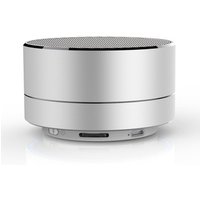
Music festival shenzhen OEM super bass led mini wireless portable bluetooth speaker
Alibaba UK
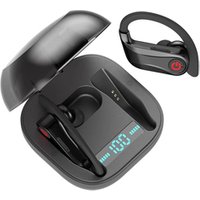
New arrival Q62 Power Pro super bass 11h music bt waterproof ip68 earhook display sports tws earphone headphone earbuds
Alibaba UK